
The modern biological landscape has shifted from laborious laboratory benchwork to a sophisticated digital frontier where the primary challenge lies in interpreting the massive influx of genomic data generated by high-throughput sequencing technologies. This transformation signifies a departure from the traditional wet lab era, as researchers now rely on computational power to unlock the secrets held within the four-letter alphabet of DNA. Today, the speed at which genetic material is collected far exceeds the human capacity for manual analysis, necessitating the use of specialized algorithms that can sift through billions of base pairs in seconds. By bridging the gap between raw biological sequences and functional medical insights, these tools have turned what was once a months-long endeavor into an efficient process that informs clinical decisions and evolutionary theories alike. The ability to accurately decode these sequences provides a foundational understanding of how life is structured and how specific genetic variations influence health outcomes.
The Digital Frontier: Navigating the Rosetta Stone of Genomics
Translating Raw Genetic Sequences via BLAST
The Basic Local Alignment Search Tool, universally known as BLAST, functions as the fundamental engine for the identification of unknown genetic material by performing high-speed comparisons against the vast archives of the National Center for Biotechnology Information. When a researcher inputs a specific string of adenine, thymine, cytosine, and guanine, the software meticulously scans global databases to locate homologous sequences that share a common ancestry or function. This process is akin to finding a single specific book in a library that contains billions of pages, yet the algorithm manages to provide results with remarkable precision. By identifying these matches, scientists can determine the identity of a previously uncharacterized gene, predict its protein product, and infer its role within a biological system. This capability is essential for both basic biological research and the rapid identification of pathogens during public health crises where timing is critical for containment.
Establishing Accuracy through Computational Metrics
To maintain the rigor required for peer-reviewed science, BLAST provides several critical metrics that allow researchers to evaluate the statistical significance and accuracy of their findings. The E-value, or Expect value, is perhaps the most vital of these parameters, as it indicates the number of matches one might expect to see by sheer chance when searching a database of a particular size. A low E-value suggests that the similarity between the query sequence and the database match is biologically meaningful rather than a random coincidence. Additionally, the tool calculates percent identity and query coverage, which describe how closely the sequences align and what portion of the original sequence is represented in the match. Understanding these nuances prevents misidentification and ensures that conclusions drawn from the data are supported by robust mathematical evidence. As sequence databases continue to expand from 2026 to 2028, these metrics will remain the gold standard for verifying the biological relevance of genomic matches.
Clinical and Evolutionary Insights: Applying Genetic Tools
Investigating the HBB and CYP Gene Families
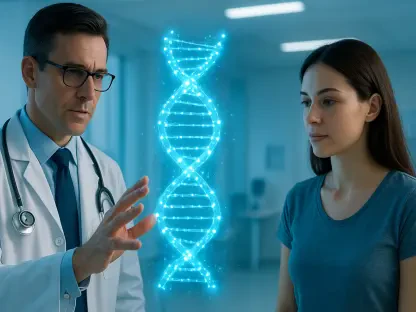
One of the most profound impacts of digital sequence identification is its direct application in diagnosing and understanding hereditary conditions, such as those involving the hemoglobin beta gene. This particular sequence provides the necessary instructions for the synthesis of beta-globin, a crucial component of the protein that enables red blood cells to transport oxygen from the lungs to the rest of the body. When researchers utilize alignment tools to examine mutations within the HBB gene, they can pinpoint the specific genetic errors responsible for debilitating disorders like sickle cell anemia. Furthermore, studying the cytochrome P450 gene family allows scientists to understand how the liver metabolizes toxins and medications. Because genetic variations in the CYP family dictate drug efficacy for a specific individual, using BLAST to identify these differences allows doctors to tailor treatments to a patient’s unique genetic makeup, improving safety and efficacy in personalized medicine.
Understanding Gene Conservation and Research Accessibility
The study of gene conservation reveals that essential genetic sequences remain remarkably stable across different species, reflecting the efficiency of natural selection over immense timescales. For example, the high degree of genetic overlap between humans and primates—often exceeding ninety-eight percent—demonstrates that vital genes are preserved because significant mutations often prove detrimental to survival. This consistency allows scientists to use animal models, such as mice or zebrafish, to study human diseases with a high degree of confidence. Ultimately, the availability of these sophisticated algorithms has democratized scientific research, turning complex genomic analysis into a modern detective story accessible to any student with an internet connection. By bridging the gap between raw biological data and medical application, bioinformatics streamlines the path toward new discoveries in both healthcare and evolutionary biology, solving the most complex puzzles of human history.
Strategic Directions: Integrating Genomics Into Global Health
The integration of sequence alignment tools into the broader healthcare framework demonstrated that the transition from raw data to clinical application was no longer a theoretical goal but a practical reality. Stakeholders who prioritized the adoption of these computational methods established more resilient diagnostic pipelines that successfully identified rare genetic variants in record time. Moving forward, the emphasis shifted toward the implementation of real-time genomic monitoring systems that allowed for the immediate adjustment of therapeutic regimens based on an individual’s evolving genetic signature. Researchers also recognized the necessity of expanding genetic databases to include more diverse populations, ensuring that the benefits of personalized medicine reached a global audience. By investing in robust digital infrastructure and interdisciplinary education, the scientific community secured a future where the code of life was understood and utilized to resolve the most pressing health challenges efficiently.