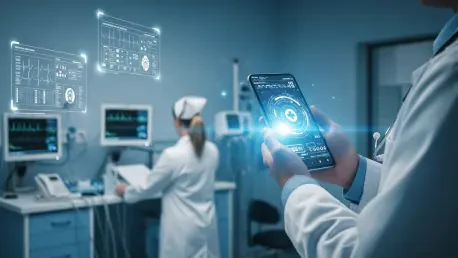

Healthcare facilities across the United States are currently navigating an era of unprecedented digital transformation where the rapid retrieval of patient data is essential for emergency clinical decision-making. However, the convenience of using mobile tablets and smartphones at the bedside introduces a complex array of cybersecurity risks that threaten the very core of patient privacy. Clinicians often face a difficult paradox: they require frictionless entry into electronic health records to perform life-saving interventions, yet every handheld device represents a potential vulnerability if it is not secured with defense-grade protection. To address this, many organizations have started transitioning to hardware that incorporates safety protocols directly into the silicon, ensuring that sensitive diagnostic images and insurance details are shielded from malicious actors. This shift represents a proactive move to align operational efficiency with modern federal compliance standards, creating a stable ecosystem where doctors can focus on outcomes rather than worrying about the underlying security of their primary digital tools.
Strengthening Digital Infrastructure in Medical Settings
Hardware-Anchored Security: Building a Foundation for Patient Care
The primary layer of protection for contemporary medical mobile devices starts with specialized hardware architectures like the Samsung Knox platform, which anchors security within the chip itself rather than relying on external software. This system creates a dedicated, isolated vault that physically separates sensitive patient credentials and encryption keys from the main operating system where many cyber threats typically originate. By employing a separate secure processor, devices like the Galaxy A17 5G can maintain a “root of trust” that verifies the integrity of every process before it is allowed to run. This continuous monitoring ensures that if a component of the operating system is compromised, the actual healthcare database remains inaccessible to unauthorized users. Furthermore, with the commitment to provide six years of security and operating system updates, medical administrators can guarantee that their fleet remains HIPAA compliant until the turn of the next decade, preventing the dangerous vulnerabilities that often emerge from using outdated and unsupported legacy technology.
Secure Collaboration: Managing the Clinical Flow
Beyond internal hardware architecture, securing the exchange of clinical information during consultation is vital for maintaining the confidentiality of modern patient records. Features such as Private Sharing allow physicians and nurses to send high-resolution medical imagery and diagnostic notes with built-in encryption that dictates exactly how the recipient can interact with the data. A surgeon, for instance, can share a radiological scan with a colleague while simultaneously disabling the ability to take screenshots or reshare the file to a different device. The system also permits clinicians to set specific expiration timers on every shared file, ensuring that sensitive information is automatically deleted from the recipient’s phone once the relevant clinical task is complete. This proactive management prevents the accumulation of unprotected health data on multiple endpoints across the hospital network, effectively narrowing the attack surface for potential hackers and ensuring that sensitive digital assets never exist longer than they are strictly required for professional use.
Defending Against External Threats and Physical Loss
Automated Defense Systems: Eliminating Human Vulnerability
Automated security measures like the Auto Blocker have significantly reduced the burden of vigilance on clinicians, allowing them to remain focused on bedside tasks while the device manages background risks. This technology acts as a strict gatekeeper by automatically preventing the installation of unauthorized applications from unverified sources, which are common pathways for malware designed to harvest clinical passwords. Furthermore, the system performs real-time scanning of all incoming communications, such as patient-to-provider texts or departmental alerts, to identify and neutralize malicious attachments or embedded code before they can execute. In clinical settings where devices are frequently connected to public charging stations or external monitors, these automated protocols also monitor the physical USB port for suspicious commands intended to bypass screen locks or extract local storage files. By taking these defensive actions without requiring user interaction, the platform ensures that cybersecurity remains consistent even in high-stress medical environments where staff may not have the capacity to manually vet every digital interaction.
Physical Asset Governance: Protecting Hardware Integrity
The strategic implementation of these advanced mobile safeguards provided a robust framework for securing sensitive information across many major healthcare institutions. Administrators successfully deployed devices that utilized machine learning to detect snatch-and-run thefts, which immediately triggered a hard lock of the operating system to prevent unauthorized data access during physical incidents. If a handset was misplaced in a busy clinical department, the use of remote tracking networks enabled IT teams to find hardware even if the power was off, while remote-wipe protocols neutralized data breaches before they could impact patient confidentiality. These proactive governance measures effectively addressed the industry’s historical tension between medical agility and strict data privacy regulations. Ultimately, the integration of these digital defenses ensured that healthcare providers could deliver modern, high-speed care without sacrificing the trust of the patients they served. By moving beyond reactive software patches, medical facilities established a new gold standard for data protection that remained resilient against both digital and physical threats.