
The crushing sensation of physical exhaustion that lingers long after a patient has been declared cancer-free remains one of the most enigmatic challenges in modern oncology, often described by survivors as a profound, “hollowed-out” feeling that defies the restorative power of sleep. While clinical medicine has successfully extended the lives of millions, the quality of those additional years is frequently compromised by this persistent fatigue, which traditional diagnostics often fail to quantify or explain. For decades, healthcare providers have relied almost exclusively on subjective patient surveys and self-reporting to gauge the severity of this condition, leaving a significant gap in the understanding of its biological underpinnings. Recent collaborative efforts between researchers at Rutgers University, Johns Hopkins, and the National Institute on Aging have begun to bridge this divide by investigating the role of mitochondria, the cellular powerhouses responsible for energy production, as a potential objective marker for post-treatment vitality.
By shifting the focus from psychological assessment to cellular mechanics, scientists are exploring how the body’s internal energy systems recover from the immense physiological stress of cancer and its aggressive treatments. This paradigm shift acknowledges that while the mind perceives fatigue, the source may lie in the inability of skeletal muscle cells to efficiently regenerate adenosine triphosphate, the primary energy currency of the human body. Understanding why these cellular engines seem to stall or operate at reduced capacity could revolutionize the way survivors are supported during their transition back to daily life. The investigation into mitochondrial health offers a tangible, biological framework to address a symptom that was previously dismissed as a purely mental or emotional byproduct of trauma. This research path highlights a critical intersection between metabolic health and long-term recovery, suggesting that the path to wellness involves more than just the absence of disease.
Biological Markers and Advanced Imaging Techniques
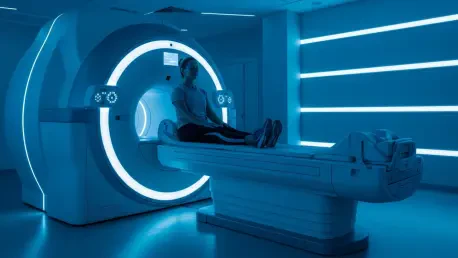
To move beyond the limitations of subjective questionnaires, the research team utilized a sophisticated and noninvasive imaging method known as phosphorus-31 magnetic resonance spectroscopy to observe the inner workings of muscle cells in real time. This technology differs significantly from standard blood tests, which are often prone to rapid fluctuations caused by immediate environmental factors, diet, or hydration levels. Instead, the specialized MRI technique provides a stable and highly precise measurement of how quickly mitochondria rebuild energy reserves following a short burst of physical exertion. By focusing on the rate of phosphocreatine resynthesis in the leg muscles of survivors, the study was able to capture a clear snapshot of metabolic efficiency. This objective data point serves as a biological clock, timing the recovery of cellular energy systems and revealing discrepancies that would otherwise remain hidden during a standard physical examination or a routine conversation in a doctor’s office.
The implementation of this advanced imaging technology represents a significant leap forward in personalized medicine, as it allows clinicians to see exactly where the physiological breakdown occurs. During the pilot study, eleven survivors ranging from their mid-thirties to seventy years old participated in controlled exercises while being monitored by the equipment. The results provided a compelling look at the diversity of recovery speeds among the patient population, showing that cellular “recharge rates” varied significantly based on individual history and physiology. By establishing this baseline of mitochondrial function, the research suggests that the fatigue experienced by survivors is not a monolithic condition but a complex biological state that can be measured with mathematical precision. This move toward data-driven diagnostics provides a new level of validation for patients who have often felt that their exhaustion was invisible or misunderstood by the medical establishment, paving the way for more targeted interventions.
Age and Treatment Impacts on Energy Recovery
A critical finding of the investigation centered on the clear correlation between a patient’s demographic profile and their cellular capacity for energy regeneration, with age playing a defining role in recovery speed. Participants who were aged 65 and older demonstrated energy recovery times that were approximately 10% slower than their younger counterparts, a delay that had direct consequences for their physical capabilities. This sluggish mitochondrial response was not merely a theoretical observation; it manifested in practical, measurable ways, such as reduced grip strength and a lower overall daily step count. These findings indicate that the natural decline of cellular function associated with aging may be exacerbated by the rigors of cancer treatment, creating a double burden for older survivors. The study highlights that for this specific demographic, the biological cost of survival is high, requiring a more nuanced approach to post-cancer care that accounts for the intersection of oncology and gerontology.
Beyond the influence of age, the specific type of therapy a patient received appeared to have a profound impact on their long-term cellular health and subjective experience of tiredness. Those who had undergone immunotherapy treatments reported higher levels of debilitating fatigue and exhibited noticeably slower mitochondrial recovery rates compared to patients who received other forms of care. This correlation raises important questions about the long-term metabolic side effects of modern biological therapies, which are designed to harness the immune system but may inadvertently tax the body’s energy production systems. Conversely, the researchers encountered a fascinating paradox among younger participants: those with the poorest mitochondrial recovery actually reported lower levels of subjective fatigue. This suggests that the perception of exhaustion is influenced by a complex array of factors, including psychological resilience and individual coping mechanisms, which can sometimes mask underlying biological deficits in younger, more active populations.
Future Directions in Targeted Recovery Programs
The primary value of these recent insights lies in the establishment of a stable, biological framework that can eventually guide the creation of highly personalized “exercise doses” for cancer survivors. By understanding the specific metabolic limitations of an individual, healthcare providers can move away from generic advice to “stay active” and instead prescribe movement programs that are timed and calibrated to the patient’s unique mitochondrial capacity. This data-driven approach aims to prevent the cycle of overexertion and subsequent crashes that many survivors face when they try to return to their previous activity levels too quickly. Larger-scale trials are expected to refine these protocols, moving the medical community toward a future where a simple scan could dictate the intensity and frequency of a rehabilitation regimen. Such precision ensures that physical activity acts as a catalyst for cellular repair rather than a source of further depletion, ultimately accelerating the return to a functional life.
Looking forward from the current progress in 2026, the focus will likely shift toward integrating these mitochondrial assessments into standard post-treatment protocols across major oncology centers. As the technology becomes more accessible, it will enable a holistic management strategy that treats the “hollowed-out” feeling of fatigue as a manageable physiological condition rather than an inevitable side effect. Survivors should look for opportunities to engage with specialized physical therapists who understand these metabolic markers and can help navigate the complexities of cellular energy management. The ultimate goal is to provide survivors with the tools to rebuild their lives with confidence, supported by a medical system that finally recognizes the biological reality of their exhaustion. Through the continued study of cellular powerhouses, the gap between surviving cancer and truly thriving after it continues to narrow, offering a more hopeful and scientifically grounded path toward full physical restoration.