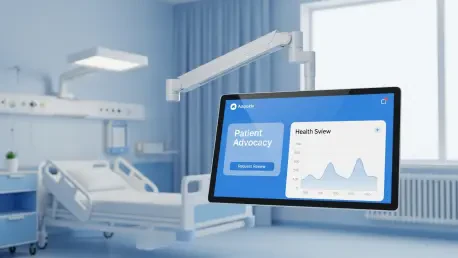

The sudden deterioration of a patient’s health often occurs in the quiet spaces between routine observations, where families are frequently the first to notice subtle changes that clinical staff might overlook during a busy shift. This critical gap in oversight led to the development of a transformative policy aimed at empowering those at the bedside to trigger an immediate review by an independent critical care team when they feel their concerns are not being heard. Known as Martha’s Rule, this initiative represents a fundamental shift in the power dynamics of the hospital environment, moving away from a purely paternalistic model of medicine toward one that prioritizes the observations of caregivers and relatives. As this policy continues its rollout through 2026 and into 2027, the National Health Service faces the complex task of integrating these protocols without overwhelming an already strained workforce. Success depends on a shared commitment to transparency and clinical safety standards. By formalizing the right to a second opinion, the healthcare system acknowledges that the intuition of a loved one is a valid clinical metric that can prevent catastrophic outcomes before they become irreversible.
Implementing Direct Patient Advocacy
Step 1: Mechanisms for Rapid Clinical Escalation
The primary challenge in standardizing these protocols lies in creating a system that is accessible to the public while remaining manageable for the highly specialized critical care teams who respond to these alerts. Hospitals are currently deploying digital interfaces and dedicated telephone lines that allow family members to bypass traditional hierarchies when they observe signs of clinical deterioration that appear to be ignored or misunderstood by the primary care team. These technical solutions are designed to provide a 24-hour safety net, ensuring that the right to a second opinion is not contingent on the time of day or the specific staffing levels of a particular ward. Initial data from early adopters suggests that when families are empowered to speak up, the time to intervention for sepsis and other acute conditions is significantly reduced. However, the success of these mechanisms depends heavily on the clarity of the information provided to families upon admission to the facility.
Beyond the technical aspects, the effectiveness of the escalation process is tied to the promptness with which a secondary team can arrive and assess the patient without bureaucratic delay. This requires a rethink of hospital logistics, where critical care outreach teams are given priority access and are viewed as a supportive resource rather than a punitive oversight body. In 2026, many trusts began experimenting with real-time tracking of these requests to ensure that no call for help goes unanswered for more than thirty minutes, a benchmark that has proven vital in high-stakes environments. The integration of electronic health records with these family-triggered alerts allows the incoming team to quickly grasp the clinical context, combining objective vital signs with the subjective concerns raised by the family. This hybrid approach to assessment ensures that the secondary review is thorough, evidence-based, and respectful of the patient’s lived experience within the ward.
Step 2: Addressing Cultural and Professional Barriers
Integrating these rapid response triggers requires a delicate balance between clinical autonomy and patient advocacy, which has prompted a series of comprehensive training modules for nursing and medical staff. Educators are focusing on the psychological aspects of receiving an escalation request, teaching clinicians to view these moments as opportunities for collaboration rather than as criticisms of their professional judgment. This cultural shift is essential because the effectiveness of the rule is undermined if families feel intimidated or discouraged from utilizing the very system designed to protect them. By embedding these principles into the foundational training of new healthcare providers, the NHS aims to foster an environment where questioning a diagnosis or a treatment plan is seen as a standard component of high-quality care. As this mindset becomes more prevalent, the traditional barriers that have historically prevented open dialogue between doctors and patients are beginning to dissolve.
The healthcare system moved toward a more inclusive model of safety by prioritizing the voices of those who were often relegated to the sidelines of the decision-making process. Officials established clear protocols that allowed for immediate intervention, which successfully reduced the incidence of avoidable harm in various acute settings throughout the initial implementation phases. This transition required a significant investment in both technology and personnel, but the resulting improvements in patient trust and clinical outcomes justified the expenditure of these resources. Medical professionals adapted to these changes by embracing a more collaborative approach, acknowledging that the integration of family perspectives was a vital component of modern medicine. As these protocols became standard practice, the focus shifted toward maintaining the consistency of care across all regions. The commitment to this safety standard ensured that the mistakes of the past informed a more resilient and responsive health system for everyone involved.