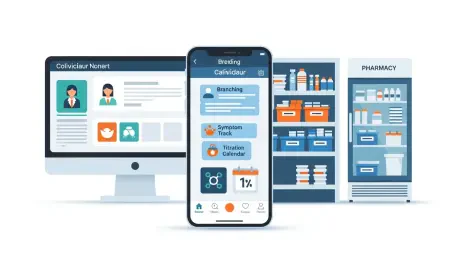

Admission to GLP-1 therapy once crawled through a maze of clinic calendars, phone tag, and insurer scripts, but a wave of purpose-built telehealth apps has turned that maze into a guided lane on a phone that now functions as both navigator and engine. The change was not merely cosmetic. Adaptive intakes flagged contraindications before consults even began, pharmacy APIs verified stock and pricing in real time, and asynchronous messaging replaced voicemails that used to stretch timelines into weeks. This architecture fit GLP-1 care unusually well because treatment hinged on steady titration, symptom logging, and education that rarely required a live visit. Push reminders for weekly injections reduced misses, automated check-ins caught nausea and constipation earlier, and clinician dashboards surfaced outliers. When combined with direct shipping from compounding pharmacies, fulfillment shrank from weeks to days while continuity finally traveled with the patient, not the appointment slot.
From Friction to Flow: How Mobile Platforms Compressed GLP-1 Care
The clearest signal that the app layer had become a clinical engine was the intake itself, which stopped acting like a signup form and started functioning like triage. Modern flows used branching logic to probe pancreatitis history, thyroid disease, and drug interactions, then steered edge cases to synchronous consults while clearing routine candidates for same-day prescriptions. That approach minimized back-and-forth while boosting safety. Pharmacy integrations did the next mile. Instead of faxed prior authorizations and opaque queues, platforms hit inventory and pricing endpoints, matched patients to compounded semaglutide or tirzepatide when appropriate, and confirmed shipping windows before consent. The result was predictable starts, fewer abandoned carts, and fewer surprises when copays or cash prices changed at checkout.
Building on this foundation, ongoing care shifted from sporadic check-ins to structured micro-interactions embedded in the app. Weekly injection reminders aligned with titration calendars but allowed for patient-specific pacing, and symptom trackers auto-classified issues like persistent nausea or dizziness, escalating to a clinician when thresholds tripped. Asynchronous threads let patients report setbacks at 10 p.m. without paying a per-visit fee, and clinicians replied the next morning with evidence-based guidance or adjusted dosing orders. Education modules explained the differences between compounded and branded products, the regulatory context, and realistic timelines for weight loss so expectations met physiology. These pieces worked together because the phone was always present, while the clinic was not. With each completed check-in, the system learned tolerability and response, improving the odds that the next dose change would be the right one.
What Will Differentiate Leaders Next: Practical Moves for Patients and Providers
Provider quality now varied widely, and the spread grew with each product release. Leaders treated the app as a clinical product, not a storefront. Programs like Weight Method invested in substantive intake, integrated messaging, and direct shipping from vetted compounding pharmacies with clear provenance and lot tracking. Laggards rested on thin overlays glued to generic telemedicine stacks, which produced brittle handoffs: intake on one site, prescription via a third-party widget, and fulfillment through an unaffiliated pharmacy with no two-way status updates. Patients felt the seams as missed reminders, rigid titration calendars, and fees for basic follow-up. As market expectations shifted to consumer-grade speed and clarity, the firms that embedded decision support and safety checks directly into their mobile flows pulled ahead on outcomes and satisfaction, not just acquisition.
The analysis pointed to concrete steps that had improved experiences and outcomes. Selecting apps that had deep medical-history probes, medication reconciliations, and plain-language explanations of compounded versus branded options reduced early churn and safety flags. Choosing programs that had inclusive, message-first support—especially during the first month—cut ER visits for dehydration or GI distress and prevented needless discontinuations. Opting for platforms that had patient-specific titration, underpinned by automated check-ins and escalation rules, shortened the time to a stable, effective dose while keeping side effects manageable. For providers, standing up pharmacy APIs with real-time inventory, adding dose-change order sets to asynchronous workflows, and exposing shipment status inside the app had tightened operational loops. Taken together, those moves positioned mobile-first GLP-1 care to deliver faster access, steadier monitoring, and more personalized adjustments, and they did so at a scale that traditional models had not matched.