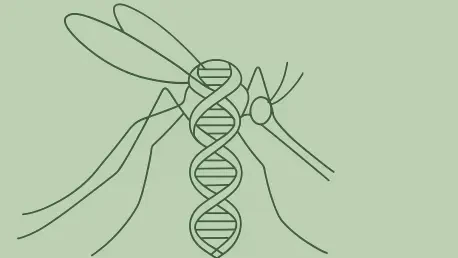
Whole-genome sequencing of mosquito specimens from across Burkina Faso has provided a high-resolution map of the single nucleotide polymorphisms that drive malaria transmission. This extensive genomic survey, orchestrated by a multi-institutional coalition including the Burkinabé Ministry of Health

The Italian CDMO sector has seen its export turnover quadruple over the last ten years, signaling a profound shift in the continent’s industrial power balance. This evolution has transformed Italy into the central pillar of the European pharmaceutical landscape, particularly through the excellence

Secrecy surrounding high-level biodefense facilities complicates global health security by hindering the international cooperation necessary to contain emerging laboratory-acquired infections. The recent death of Darya Shipilova, a 28-year-old laboratory worker at the Anti-plague Research Institute

Doctors emphasize the importance of patient transparency regarding peptide use to prevent potential drug interactions and to monitor for any adverse physiological reactions. This chemical sequence, known formally as Body Protection Compound 157, has transcended its origins in laboratory research to

The case of Dr. Jonathan Decker serves as a stark warning to medical professionals that a license to practice is a public trust that cannot be legally traded for profit. As the digital healthcare landscape continues to evolve in 2026, the federal conviction of this 46-year-old physician highlights

Proposed revisions to human subject protections aim to ease the regulatory load on learning health systems while introducing more practical exemptions for low-risk research categories. The Department of Health and Human Services (DHHS) recently unveiled a comprehensive Unified Agenda that signals a