
The healthcare landscape across Southeast Asia is currently undergoing a radical transformation that prioritizes the unique biological identity of every patient over generalized treatment protocols. This shift is most visible in the emergence of dedicated precision medicine hubs, such as those

Pancreatic cancer remains one of the most formidable challenges in modern oncology due to its asymptomatic progression and frequently late-stage discovery in patients who exhibit few early warning signs. To address this persistent diagnostic gap, a collaborative effort between National Taiwan
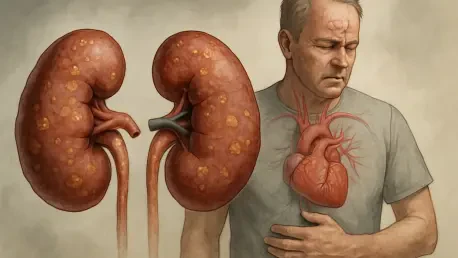
The silent progression of kidney disease has emerged as a formidable public health crisis in the United States, where nearly 15% of the adult population currently grapples with some form of renal impairment. These vital organs serve as the body's primary filtration system, meticulously removing
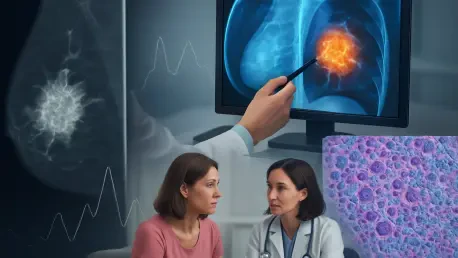
Modern oncology has reached a pivotal juncture where the "one-size-fits-all" approach to breast cancer management is rapidly being replaced by highly individualized therapeutic strategies. While traditional methods have long relied on generalized statistics, current clinical research now emphasizes

The visible markers of aging like gray hair and wrinkles frequently fail to account for the hidden biological resilience that allows one person to reach a century while another fades decades sooner. While two people may share the exact same birth year, their physiological destinies often follow

The traditional scientific method, long defined by manual experimentation and painstaking human observation, is currently undergoing a radical metamorphosis into a system of autonomous orchestration. By 2026, the transition from artificial intelligence as a passive data-processing tool to an active