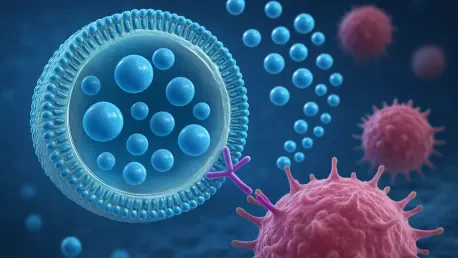
Picture a medical landscape where treatments can slip past the body's toughest defenses, delivering healing payloads directly to diseased cells without harming the surrounding healthy tissue. This isn't science fiction but the tantalizing promise of engineered exosomes—tiny biological couriers that
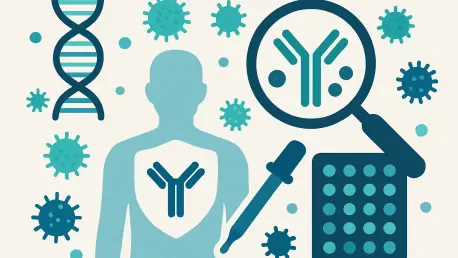
Imagine a world where the most abundant immune cells in the human body, crucial for fighting infections, remain a mysterious black box to scientists and medical professionals. For too long, neutrophils—those rapid-response warriors of the immune system—have been just that, with their complex

Imagine a world where the trial-and-error nature of drug discovery is replaced by a precise, predictive system capable of designing therapies for some of humanity’s most stubborn diseases. This vision is no longer a distant dream but a tangible goal for insitro, a South San Francisco-based AI
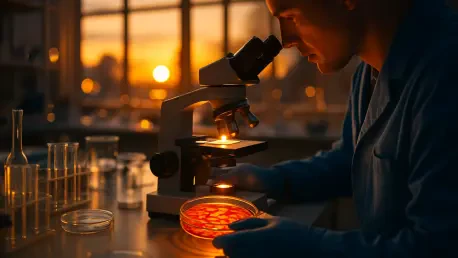
Imagine a world where life-saving drugs reach patients faster, with fewer animals harmed and costs slashed by millions. This isn’t a distant dream but a tangible goal as the U.S. Food and Drug Administration (FDA) pivots toward human-relevant drug safety models. With new draft guidance released
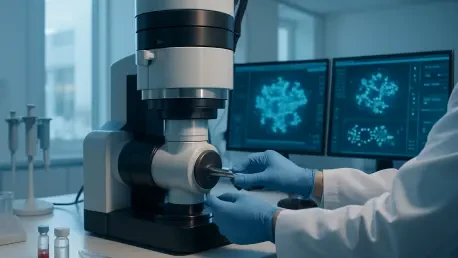
Imagine a world where the intricate dance of molecules within the brain can be captured in stunning detail, offering a roadmap to tackle one of neurology’s most persistent challenges—epilepsy. This vision is becoming reality thanks to cryo-electron microscopy (Cryo-EM), a cutting-edge technology

Imagine a world where a diagnosis of gastric cancer no longer carries the weight of a dire prognosis, where innovative treatments offer a real chance at long-term survival even for those in the early stages of this aggressive disease. This vision is inching closer to reality with the recent