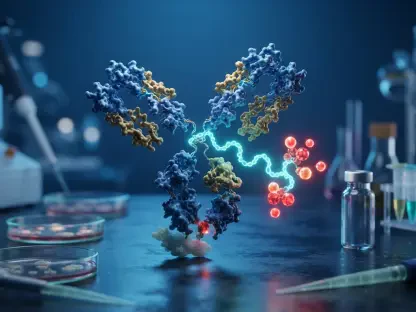

The field of organic chemistry has witnessed a significant breakthrough with the development of a highly (E)-selective Weinreb amide-type Horner–Wadsworth–Emmons (HWE) reaction. This advancement was achieved by a team from the Department of Applied Chemistry at Tokyo University of Science (TUS) in
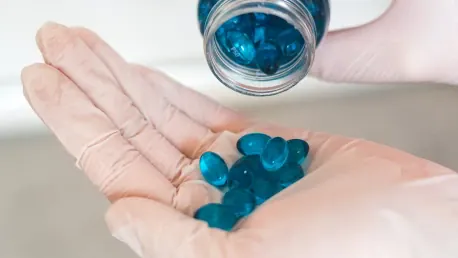
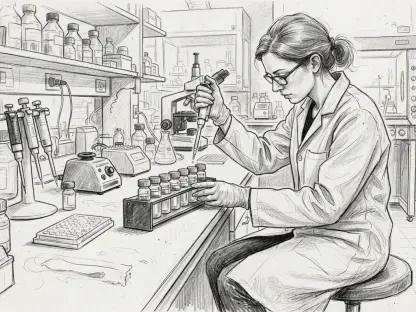
In drug discovery and biological research, the scientist’s workflow often follows a structured and iterative approach to ensure accuracy, reproducibility, and scientific integrity. This comprehensive process involves multiple stages, each carefully designed to provide reliable data and meaningful

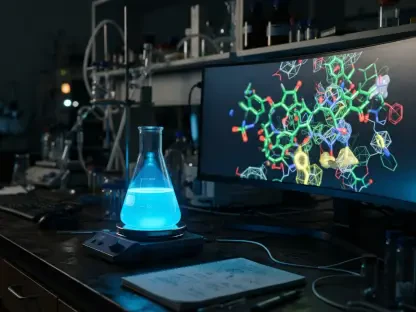
The pharmaceutical industry faces significant challenges in managing the lifecycle of drugs, particularly in the area of drug safety monitoring. Traditional methods of processing safety cases are reliable but time-consuming and labor-intensive, often taking up to a week to complete. This process

The ability to control matter at the atomic level with remarkable precision has long been a dream in the field of nanotechnology. Recent advancements led by physicists at the University of Bath, in collaboration with an international team, have brought us closer to this goal. This breakthrough

In an era where medical science continually evolves, two pivotal areas of study are presenting groundbreaking findings likely to shape future therapeutic approaches. These research subjects delve into herpes simplex virus (HSV) mutations contributing to drug resistance and the intricate role of

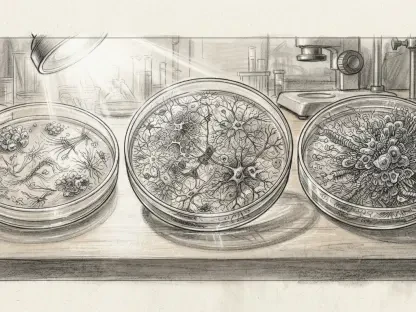
The realm of bioprinting has witnessed a momentous development thanks to a team of innovative researchers at Penn State University. This scientific group has pioneered an advanced bioprinting technique that employs spheroids—clusters of cells—to fabricate complex tissue with enhanced precision and