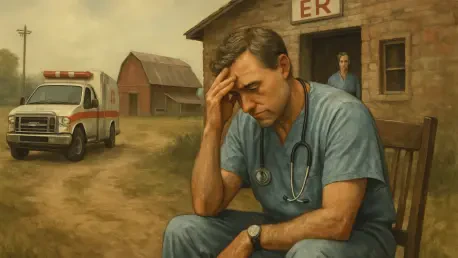
Imagine a small town in rural America, where the nearest hospital is the only lifeline for emergencies, yet no doctor is present when a critical situation unfolds, leaving patients at risk. This scenario is becoming alarmingly common as rural emergency rooms (ERs) across the U.S. increasingly
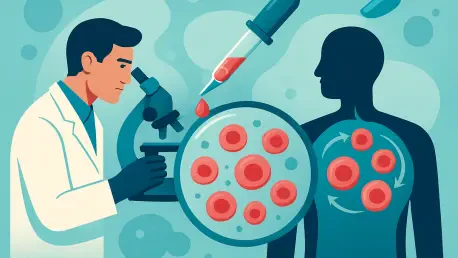
In a landscape where medical breakthroughs are increasingly vital to combat complex diseases, a significant development has emerged in the life sciences sector with Sartorius Stedim Biotech’s recent $3 million investment in Nanotein Technologies, a US-based biotech startup. This company specializes
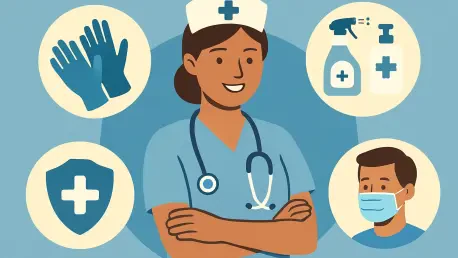
In an era where healthcare settings are increasingly becoming battlegrounds for disruptive and violent incidents, a pressing need to protect both workers and patients has emerged as a critical priority across the nation. United Health Services (UHS), a prominent healthcare system based in New York
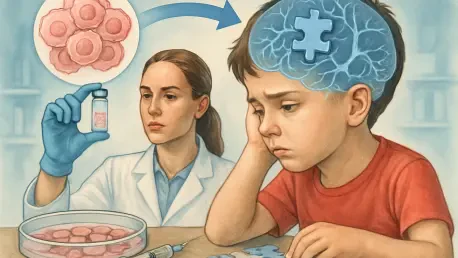
What if a single medical breakthrough could alter the trajectory for millions of individuals with autism spectrum disorder (ASD)? Picture a child struggling to connect socially, or a family searching tirelessly for solutions beyond traditional therapies, and imagine a future where hope becomes
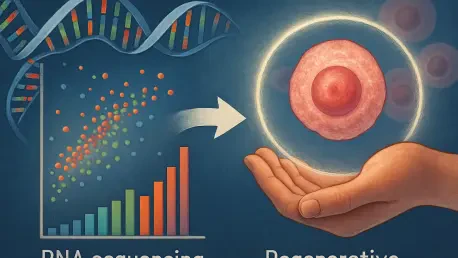
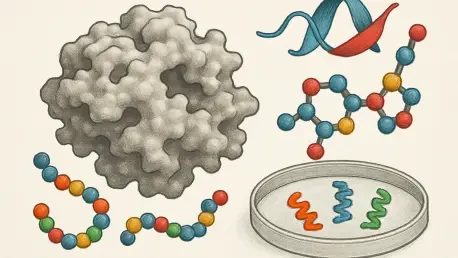
Imagine a world where damaged tissues can be regenerated with pinpoint accuracy, where therapies are tailored to an individual’s unique genetic makeup, and where neurological disorders are treated by targeting the exact molecular missteps. This vision is becoming a reality thanks to a revolutionary
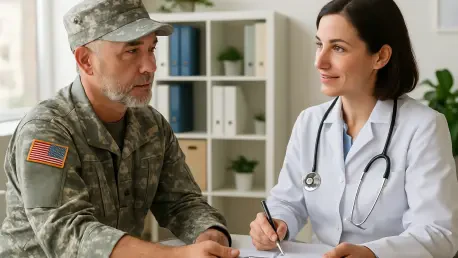
Picture a veteran, a Marine Corps and Army hero like John-Paul Sager, sitting in a small-town clinic just miles from home, yet unable to get treatment for chronic pain without wading through a swamp of paperwork and approvals. Across the nation, thousands of veterans face this reality, driving past