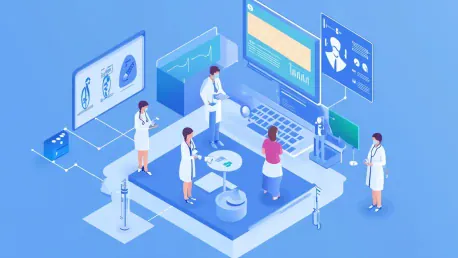
Precision Medicine (PM), also known as personalized medicine, tailors medical treatments to individual characteristics, specifically focusing on genetic profiles. The intersection of PM and Artificial Intelligence (AI) is accelerating the adoption and effectiveness of precision medicine, addressing

Digital health technologies, including artificial intelligence, analytics, dashboards, web portals, mobile applications, virtual care, and wearables, hold transformative potential for diagnosis, treatment, and care management. However, their successful implementation and uptake in real-world

California, often recognized as a trendsetter in healthcare policy, continues to forge its path with several new laws aimed at improving various aspects of the healthcare system. As the country anticipates shifts in federal healthcare policy under President-elect Donald Trump, California's
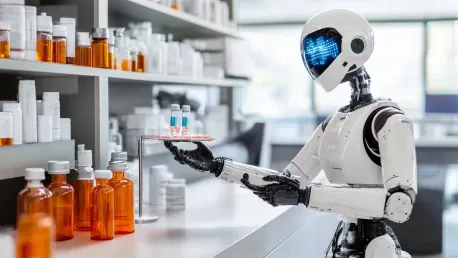
The transformative potential of Artificial Intelligence (AI) in the field of therapeutics, particularly drug development, has been a topic of significant excitement and investment. However, despite the enthusiasm, tangible evidence of AI's success in revolutionizing drug development remains
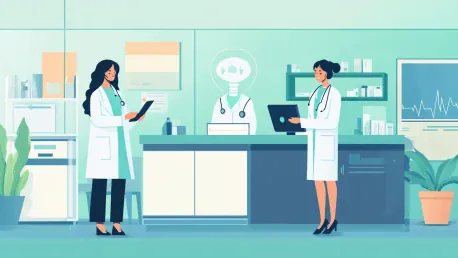
The transformative potential of AI-powered self-triage tools in healthcare is becoming increasingly evident. Imagine a world where smartphones act as the frontline against illness, capable of assessing symptoms, offering personalized advice, and guiding patients to appropriate care with
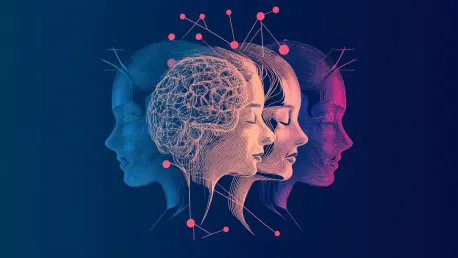
Artificial Intelligence has seen numerous applications in healthcare, yet one of the most promising areas is its ability to identify cognitive decline in menopausal women. Recent studies have indicated that machine learning can play a crucial role in recognizing women at risk of severe subjective