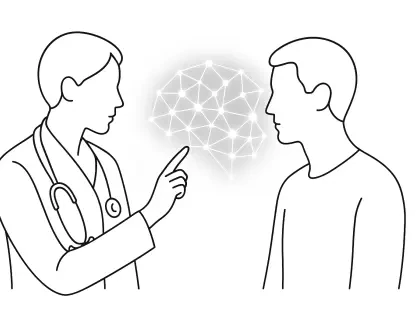

A primary mission for the PSRM involves dismantling the ‘magic bullet’ myth by clarifying that regenerative medicine is a multifaceted field focused on long-term biological restoration. The Philippine Society of Regenerative Medicine (PSRM) was established at a pivotal moment in the nation’s healthcare journey, spearheaded by visionaries like Dr. Quincy Raya and Dr. Daryl Dumdum. Their collective goal was to create a sanctuary of clinical excellence that emphasizes ethical practice and patient safety above all else. In a landscape where technology moves faster than traditional legislation, the PSRM serves as a critical interpretive body, translating complex international data into safe local protocols. By fostering a structured environment for innovation, the society ensures that the adoption of regenerative therapies is not merely a commercial endeavor but a strictly medical one. This commitment to integrity is essential for building a sustainable healthcare future where cutting-edge cellular science is synonymous with genuine functional recovery.
Market Challenges: Addressing the Surge of Unregulated Clinics
The rapid expansion of aesthetic and wellness clinics across the Philippines created a significant challenge for ethical practitioners who prioritized evidence over profit. Many of these establishments began marketing stem-cell procedures as universal ‘miracle cures’ for chronic conditions such as diabetes, heart disease, and various forms of cancer. This predatory marketing environment often leveraged the desperation of patients seeking quick fixes for complex health issues, creating what experts described as a ‘Wild West’ atmosphere in the medical sector. To counter this trend, the PSRM introduced rigorous standards for medical claims, demanding that any advertised benefit be backed by peer-reviewed data and clinical trials. By addressing the misleading promises made by unregulated entities, the society worked to protect vulnerable individuals from expensive and potentially hazardous interventions that lacked a scientific foundation. This intervention was vital in restoring the focus on patient safety.
Market Challenges: Empowering Patients through Transparency
Transparency became a primary tool for the society in its quest to empower the general public against misinformation. By encouraging a culture of healthy skepticism, the PSRM enabled patients and their families to ask critical questions about the source of biologics and the qualifications of their healthcare providers. The organization actively published guidelines that highlighted the differences between experimental research and established clinical procedures, helping to clarify which treatments were ready for public consumption. This initiative effectively reduced the influence of profit-driven clinics that operated outside the bounds of traditional medical ethics. Furthermore, the society fostered an environment where practitioners were held accountable for the outcomes they promised, ensuring that the reputation of the broader medical community remained intact. Through these efforts, the PSRM successfully narrowed the window for exploitation, turning the focus back to genuine science.
Science-Based Care: Defining the Continuum of Restoration
A significant portion of the society’s work involved refining the public’s understanding of what regenerative medicine truly entails beyond simple injections. Rather than viewing stem-cell therapy as an isolated event, the PSRM defined it as a comprehensive continuum of care that begins with foundational health maintenance. This perspective emphasized that biological restoration cannot occur in an unhealthy internal environment, making preventive methods and lifestyle optimization essential components of any treatment plan. Practitioners were encouraged to assess a patient’s hormone balance, nutritional status, and daily habits before even considering advanced cellular interventions. By integrating these foundational elements, the society ensured that regenerative treatments were applied only when the body was biologically prepared to respond effectively. This holistic approach helped dismantle the misconception that a single procedure could reverse years of cellular damage without addressing the underlying causes.
Science-Based Care: Shifting the Focus to Prevention
Education emerged as the cornerstone of the PSRM’s strategy to standardize care across different medical specialties in the Philippines. The organization focused on training physicians to recognize that regenerative options should be viewed as a supplementary regimen rather than a primary or universal remedy. By conducting seminars and workshops, the society provided doctors with the tools to integrate early intervention strategies and traditional therapies into a broader regenerative framework. This educational push ensured that medical professionals could offer balanced advice to their patients, steering them toward treatments with the highest probability of success. The shift in perspective from a reactive model to a restorative one allowed the medical community to align more closely with international standards of practice. As a result, the definition of regenerative medicine in the local context evolved to mean the scientific pursuit of functional recovery, grounded in the meticulous study of human biology.
Ethical Governance: Implementing a Patient-First Philosophy
At the heart of the society’s mission was the implementation of a ‘patient-first’ philosophy that prioritized clinical data over financial incentives. This ethical framework placed a heavy responsibility on specialists to provide honest assessments, even if it meant advising a patient against a requested procedure. In an environment where demand for innovative therapies was high, the duty of a physician to say ‘no’ to an unapproved or ineffective treatment became a defining characteristic of PSRM membership. The society argued that true expertise is demonstrated not just by performing a procedure, but by knowing when a treatment is unlikely to yield a beneficial outcome. This commitment to clinical integrity was designed to foster long-term trust between the medical community and the public, moving away from a transactional relationship toward one based on mutual safety. By establishing these boundaries, the PSRM ensured that patient expectations were managed realistically and that medical ethics remained at the forefront.
Ethical Governance: Actionable Steps for Regional Excellence
The initiatives undertaken by the society provided a robust roadmap for the ethical integration of biological therapies. By establishing a national registry and standardized screening tools, the PSRM successfully created a culture of accountability that had been previously absent in unregulated sectors. These efforts were instrumental in shifting the public perception of stem-cell treatments from experimental miracles to evidence-based medical regimens. Actionable next steps were solidified during the society’s first annual convention, where practitioners committed to ongoing peer review and transparent reporting of patient outcomes. This transition toward a more regulated medical environment allowed the Philippines to emerge as a leader in regional regenerative healthcare. Ultimately, the work of the organization ensured that medical innovation remained subservient to the physical well-being and safety of the patients. The establishment of these protocols served as a permanent benchmark for excellence in the field.