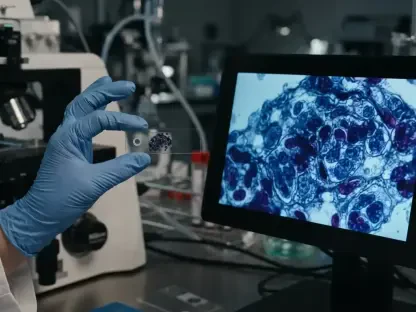

The global battle against tuberculosis has entered a decisive new phase as researchers leverage advanced artificial intelligence to compress decades of traditional pharmaceutical development into a matter of months. Despite being a preventable and curable disease, tuberculosis continues to claim over a million lives annually, a statistic that has remained stubbornly high due to the increasing prevalence of antibiotic-resistant strains. Traditional methods of drug discovery often involve grueling years of trial and error, where scientists manually screen thousands of chemical compounds to find a single viable candidate. However, the integration of deep learning algorithms and high-throughput data analysis is now allowing laboratories to simulate molecular interactions with unprecedented accuracy. This technological shift is not merely an incremental improvement; it represents a fundamental overhaul of how the medical community approaches pathogen eradication. By identifying unique vulnerabilities in the Mycobacterium tuberculosis genome, these AI-driven systems provide a precision-guided roadmap for synthetic chemists to follow.
Transforming Early-Stage Drug Development Strategies
High-Precision Virtual Screening: Analyzing Chemical Libraries
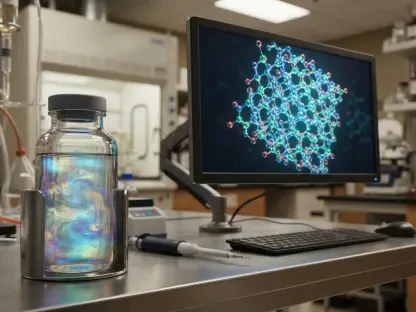
The initial phase of drug discovery typically requires the exhaustive testing of massive chemical libraries, a process that historically drained resources and time from research institutions. Modern AI platforms, such as those utilizing graph neural networks, can now evaluate the affinity of millions of small molecules against specific bacterial proteins in a virtual environment. This predictive capability allows researchers to focus their physical laboratory efforts only on the most promising candidates, significantly reducing the noise of ineffective compounds. Recent implementations of the AlphaFold protein structure database have enabled scientists to model the complex folding patterns of tuberculosis-specific enzymes that were previously considered undruggable. By understanding the three-dimensional architecture of these targets, AI models can suggest chemical modifications that enhance binding strength and reduce off-target effects. This shift from physical screening to computational prediction has effectively democratized drug discovery, allowing smaller research teams to compete with large-scale pharmaceutical corporations.
Combating Antibiotic Resistance: Utilizing Machine Learning Models
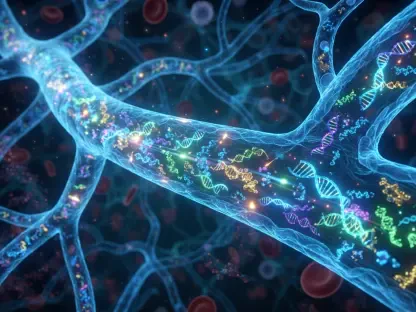
One of the most significant hurdles in treating tuberculosis is the rise of multi-drug-resistant strains which render standard treatments like isoniazid and rifampin largely ineffective. Machine learning models are being trained on vast datasets of genomic sequences from resistant bacteria to identify the exact mutations that allow the pathogen to evade current medications. By analyzing these genetic signatures, AI can predict which chemical scaffolds are likely to maintain efficacy against resistant strains even before those compounds are synthesized. Furthermore, these algorithms are proficient at identifying synergistic drug combinations, where two or more medications work together to overpower the bacteria’s defense mechanisms. This multi-pronged approach is crucial because tuberculosis treatment typically requires a cocktail of drugs over several months. AI assists in optimizing these dosages to maximize bacterial clearance while minimizing the toxic side effects that often lead patients to abandon their treatment prematurely. The ability to forecast resistance patterns ensures that new drugs remain viable for years.
Scaling Global Solutions and Clinical Outcomes
Streamlining Safety Profiles: Enhancing Toxicity Assessments
Beyond identifying efficacy, the safety profile of a potential medication remains the most common reason for failure during clinical trials, often surfacing only after significant investment. Artificial intelligence is now being deployed to predict the metabolic pathways of new tuberculosis drugs within the human body, identifying potential hepatotoxicity or cardiotoxicity early in the pipeline. By utilizing organ-on-a-chip data and historical clinical results, these models can simulate how a compound interacts with human liver enzymes or cardiac ion channels. This proactive approach ensures that only the safest molecules progress to animal testing and human subjects, upholding ethical standards while streamlining the regulatory approval process. In the current landscape of 2026, these simulations have reached a level of fidelity where they can account for genetic diversity among populations, predicting how different ethnicities might metabolize a drug differently. This level of granular detail was once impossible to achieve in early-stage research, but it now serves as a cornerstone for developing inclusive treatments.
Global Deployment: Ensuring Future Equitable Access
The implementation of artificial intelligence in this field established a new standard for how global health crises were addressed through rapid technological adaptation. Public-private partnerships successfully utilized these AI tools to reduce the cost of drug manufacturing, ensuring that the resulting medications were distributed in low-resource settings where the disease burden was highest. Researchers moved toward open-source AI frameworks that allowed scientists in endemic regions to customize drug candidates based on local strain variations. This decentralization of pharmaceutical innovation broke the traditional barriers that often kept life-saving treatments locked behind prohibitive costs and intellectual property disputes. Regulatory bodies also adapted by creating fast-track pathways for compounds validated through these robust computational models. Stakeholders prioritized the integration of these digital tools into national health programs, ensuring that the digital infrastructure supported local laboratory capacity. This concerted effort demonstrated that when high-level technology is paired with ethical distribution, eradication becomes a reality.