
The traditional paradigm of psychiatric care, long defined by a slow crawl toward mental stability, is currently facing a radical disruption as researchers uncover ways to compress months of healing into a single weekend. For decades, the treatment of clinical depression has remained tethered to a pharmaceutical schedule that demands patience from the very people least equipped to provide it. However, the emergence of psilocybin-assisted therapy has fundamentally altered this trajectory, offering a glimpse into a future where the alleviation of profound despair occurs in hours rather than weeks. This shift is not merely about speed; it represents a comprehensive re-evaluation of how the human brain recovers from the debilitating grip of chronic mood disorders.
A Forty-Eight Hour Turnaround in the Fight Against Depression
While conventional antidepressants often require a month or more to alter a patient’s mood, researchers have discovered that a single dose of psilocybin can trigger a measurable reduction in depressive symptoms within just two days. This shift represents more than just a speedier recovery; it challenges the long-standing pharmaceutical timeline that has defined psychiatric care for decades. By moving the conversation away from recreational curiosity and into the rigorous environment of the Karolinska Institutet, science is uncovering a potent tool for rapid intervention in cases of moderate to severe recurrent depression.
The suddenness of the response suggests that psilocybin acts on neural pathways that are distinct from those targeted by traditional daily medications. Instead of slowly modifying neurotransmitter levels over time, the compound appears to facilitate a rapid reset of the brain’s internal communication. For individuals in the throes of a severe depressive episode, this forty-eight-hour window offers a critical lifeline, potentially reducing the period of vulnerability that occurs when waiting for standard treatments to take effect. This expedited relief could revolutionize emergency psychiatric care and inpatient stabilization.
The Cracks in the SSRI Foundation and the Need for Innovation
For millions of people living with clinical depression, Selective Serotonin Reuptake Inhibitors (SSRIs) have been the standard of care, yet they are far from a perfect solution. The primary frustrations involve the therapeutic lag—the agonizing weeks spent waiting for the medication to build up in the system—and a laundry list of side effects that often lead patients to abandon treatment entirely. As global depression rates climb, the search for a fast-acting alternative has become a public health priority, shifting the focus toward compounds that can offer immediate relief to those who cannot afford to wait weeks for a change in their mental state.
Furthermore, the “one-size-fits-all” approach of daily pill ingestion often fails to address the complex psychological roots of depression. Many patients find that while SSRIs may blunt their lowest lows, they also stifle their highest highs, leading to a state of emotional numbness. This limitation has spurred the medical community to seek out transformative therapies that do not require lifelong daily adherence but rather provide a profound psychological experience that can catalyze lasting change. The search for innovation is now centered on biological efficiency and patient quality of life.
The Karolinska Protocol: Rigorous Testing for Real-World Impact
To isolate the true efficacy of psilocybin, researchers designed a Phase 2 trial involving 35 participants suffering from severe recurrent depression, using a 25 mg dose compared against a niacin placebo. The study moved beyond the miracle drug narrative by embedding the experience within a strict psychotherapeutic framework, including preparatory sessions and post-experience integration. By using niacin—which causes a physical flushing sensation—the team attempted to maintain a blind study, ensuring that the results were driven by the psychoactive compound rather than the mere expectation of a physical reaction.
This structured environment ensured that the psychoactive journey was not left to chance but was instead guided by trained professionals who could help participants navigate the intense emotions that often surface. The dosing day itself was designed for introspection, with eye masks and curated music creating an internal landscape for the participant to explore. This combination of pharmacological potency and clinical oversight provided a blueprint for how psychedelic medicine can be safely integrated into modern healthcare systems without sacrificing scientific rigor.
Clinical Remission and the Nuance of Long-Term Success
The data from the study revealed a significant divide: 53 percent of the psilocybin group reached clinical remission within six weeks, a stark contrast to the 6 percent seen in the placebo group. On the Montgomery–Åsberg Depression Rating Scale (MADRS), those treated with psilocybin saw a nearly 10-point drop in symptom severity, a margin that clinicians consider highly significant. However, the research also highlighted the complexity of psychedelic medicine, noting that two participants experienced severe anxiety and that the blinding process remains difficult because the psychological effects of psilocybin are so distinct from a placebo.
These findings suggested that while the drug is powerful, it is not a universal panacea. The presence of adverse emotional reactions in a small subset of the group underscored the necessity of thorough screening and constant clinical support. Moreover, the trial indicated that while the immediate results were impressive, the divergence between the groups eventually narrowed over a year as the placebo group found other paths to recovery. This highlighted the importance of viewing psilocybin as a powerful starter motor for the brain’s healing process rather than a permanent shield against future depressive episodes.
From Experience to Anatomy: Applying the Science of Synaptogenesis
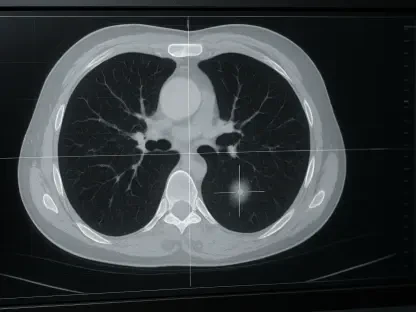
The practical application of this research lies in its potential to physically rewire the brain through a process known as synaptogenesis, or the growth of new neural connections. Future clinical frameworks will likely focus on using psilocybin not just as a mood enhancer, but as a biological catalyst that repairs the impaired brain connectivity associated with chronic depression. For medical professionals, the strategy involved a shift toward precision psychedelics, where the treatment was paired with intensive supervision and biological monitoring—such as PET scans and blood work—to ensure that the rapid psychological relief was backed by lasting structural changes in the brain.
As the medical community moved forward, the integration of these biological insights became a priority for standardizing psychedelic care. The focus transitioned from merely observing behavioral changes to documenting the physical regeneration of neural pathways. Clinicians advocated for a model where post-session integration therapy worked in tandem with the brain’s heightened state of plasticity. This dual approach was designed to solidify new, healthier cognitive patterns before the temporary window of increased neural flexibility closed. Ultimately, the transition toward biological monitoring ensured that rapid relief was transformed into a sustained clinical recovery.