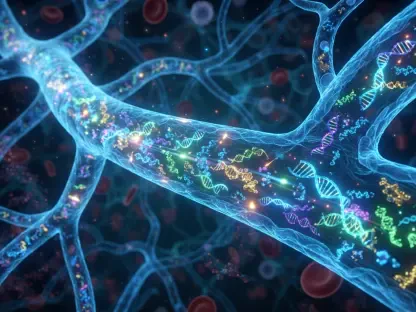

The reliance on non-human biological models has long been a bottleneck in the pharmaceutical pipeline, leading to costly failures when results from mice or monkeys fail to replicate in clinical settings. However, the recent unveiling of the Pakistan Genome Resource provides a massive leap forward by analyzing the genetic profiles of more than 173,000 individuals to identify rare homozygous loss-of-function variants. These individuals, colloquially known as natural human knockouts, possess genetic configurations where both copies of a specific gene are naturally disabled, offering a living laboratory to observe the effects of gene inactivation in a human context. By shifting the focus from synthetic animal models to real-world genetic diversity, researchers are now able to predict drug safety and efficacy with unprecedented accuracy. This dataset fundamentally alters how the industry approaches target validation, ensuring that the next generation of medicines is built upon a foundation of genuine human biology rather than cross-species approximations. This effort represents a significant shift in the global genomic landscape, where the focus moves from simply mapping genes to understanding the functional consequences of their absence in a living, breathing population.
Leveraging Genetic Diversity for Therapeutic Accuracy
The Strategic Role: Consanguineous Populations
The genetic architecture within the Pakistani population is uniquely suited for this type of research due to the long-standing tradition of consanguineous marriages, which significantly increases the likelihood of recessive traits manifesting. In most Western populations, the presence of homozygous loss-of-function variants is extremely rare, making it nearly impossible to gather a statistically significant cohort for studying specific gene deletions. However, the high degree of shared ancestry in these communities brings rare alleles together, creating a reservoir of biological insights that were previously inaccessible to global science. By documenting these rare genetic events across such a large demographic, the resource provides a window into the long-term consequences of lacking certain proteins. This demographic specificity acts as a powerful lens, clarifying the role of genes that remain hidden or masked in more heterogeneous populations, thereby providing a more precise map of the human genome functional limits and adaptability over time.
This focused study of consanguineous lineages does more than just identify rare variants; it establishes a new standard for genomic inclusivity by filling gaps left by previous studies that relied heavily on European datasets. The diversity found within the Pakistan Genome Resource ensures that genetic discoveries are applicable to a broader range of the global population, which is crucial for the development of equitable healthcare solutions. Scientists can now observe how certain genetic deletions interact with specific environmental factors and lifestyle habits prevalent in the region, offering a multi-dimensional view of human health. Moreover, this approach allows for the identification of protective variants that might prevent common diseases, providing a blueprint for preventive therapies. The depth of this genetic pool means that even the rarest biological phenomena can be analyzed with enough statistical power to draw meaningful conclusions, moving the needle from theoretical genetics to actionable medical insights that could eventually influence treatment protocols.
Clinical Integration: Mapping Genotypes to Health Outcomes
Building on this foundation, the Pakistan Genome Resource integrates these vast genetic datasets with detailed clinical records to provide a comprehensive view of how gene inactivation affects physical health. This link between the laboratory and the clinic is essential because identifying a gene deletion is only half the battle; understanding its phenotypic expression requires observing the individual health history over decades. By cross-referencing genetic data with hospital records, researchers can determine whether the absence of a gene leads to a specific disease, offers protection against illness, or has no detectable impact on the body at all. This level of granular detail enables pharmaceutical companies to differentiate between genes that are viable targets for therapeutic inhibition and those that are essential for maintaining vital organ functions. The ability to see the longitudinal effects of a natural knockout in a human being provides a safety assurance that animal testing, which often lasts only a few months, cannot replicate.
The systematic documentation of these clinical outcomes also helps in prioritizing drug targets that are likely to have the highest success rates in human trials. When a pharmaceutical company can see that humans living without a certain gene are healthy and perhaps even more resistant to specific pathologies, the risk profile for developing an inhibitor for that gene drops significantly. Conversely, if the clinical data reveals that a specific gene loss leads to subtle but serious neurological or metabolic deficits, researchers can pivot away from that target before investing billions in development. This data-driven strategy streamlines the entire research and development process, reducing the time it takes to bring life-saving treatments to market. Furthermore, this integration facilitates a more personalized approach to medicine, as it highlights how different genetic backgrounds might respond to the same therapeutic intervention. By using the Pakistani cohort as a benchmark, the global medical community can refine its understanding of human physiological diversity.
Validating Targets and Enhancing Safety Protocols
Therapeutic Validation: Metabolic and Neurological Research
The findings from the Pakistan Genome Resource have already provided critical validation for several high-profile drug targets, particularly in the realm of cardiovascular and metabolic health. By analyzing the cohort, researchers confirmed the well-established roles of the LDLR and APOB genes in managing cholesterol levels, as individuals with deficiencies in these areas exhibited the expected lipid profiles. This confirmation serves as a vital proof of concept, demonstrating that the methodology employed by the resource accurately reflects known biological truths and can be trusted for more experimental inquiries. When the data aligns with established science, it builds a bridge of confidence for exploring less understood pathways, ensuring that the resource is seen as a reliable pillar of modern genomic research. These metabolic insights are particularly relevant in the current global health climate, where heart disease remains a leading cause of mortality and the need for more effective therapies grows.
Beyond metabolic health, the resource has shed important light on neurological drug development, specifically regarding the LRRK2 gene, which is a major focus for treating Parkinson disease. While pharmaceutical developers have been working on inhibitors to reduce LRRK2 activity, the Pakistani data revealed that a complete lack of this gene is associated with specific kidney issues in humans. This finding is significant because it mirrors observations previously made in animal trials, which many researchers had hoped would not translate to human biology. Having this human-centric evidence allows clinicians to implement more rigorous monitoring for renal function in patients participating in LRRK2 inhibitor trials, potentially preventing adverse outcomes before they become widespread. It underscores the necessity of having a human reference point to anticipate side effects that might otherwise only appear during late-stage clinical trials or after a drug has reached the market. This proactive identification of safety risks is a major victory for development.
Biological Divergence: Correcting Animal Model Misconceptions
One of the most profound contributions of the Pakistan Genome Resource is its ability to highlight the biological divergence between animal models and human beings, which often leads to misleading research conclusions. A primary example is the PRDM9 gene, which is known to be absolutely essential for fertility in mice; without it, these animals are unable to reproduce. However, the study of the Pakistani cohort identified multiple healthy, fertile humans who completely lack the PRDM9 gene, proving that its function in humans is fundamentally different from its role in the rodent reproductive system. This revelation suggests that millions of dollars in research based on the mouse model of PRDM9 may have been directed toward therapeutic goals that do not exist in the human body. By identifying these species-specific differences, the resource helps the scientific community avoid dead-end research paths and refocuses efforts on pathways that are actually relevant to human health.
Similar discrepancies were found regarding the RXFP1 gene, which has long been a target of interest for cardiovascular research and the treatment of heart failure. While previous studies in mice suggested that the absence of RXFP1 would lead to severe cardiac deficits and physiological impairment, the Pakistani data told a very different story. Researchers discovered healthy older adults in the cohort who lacked functional RXFP1 but showed no signs of the heart issues predicted by the animal models. This finding indicates that the human cardiovascular system may have redundant pathways or alternative mechanisms that compensate for the loss of this specific receptor, which animal models do not possess. Consequently, current heart failure therapies that specifically target this pathway may need to be re-evaluated to determine if they are truly effective in a human context. Such insights are invaluable for the pharmaceutical industry, as they provide a much-needed reality check on the translatability of preclinical data for more reliable interventions.
The integration of the Pakistan Genome Resource into the global pharmaceutical landscape provided a definitive shift toward more ethical and efficient drug discovery processes. Researchers moved away from over-reliance on animal testing, instead utilizing these natural human genetic insights to streamline the path from the laboratory to the pharmacy. This transition saved billions in development costs and significantly reduced the time required to identify viable therapeutic targets. Looking ahead, the next logical step involved expanding this genomic mapping to other diverse populations to ensure that all human genetic variations were accounted for in modern medicine. Scientists then prioritized the development of gene-silencing technologies to replicate the protective effects found in these natural human knockouts. By focusing on the unique biological lessons provided by the Pakistani cohort, the medical community established a more sustainable model for personalized healthcare that finally put human biology at the center of innovation.