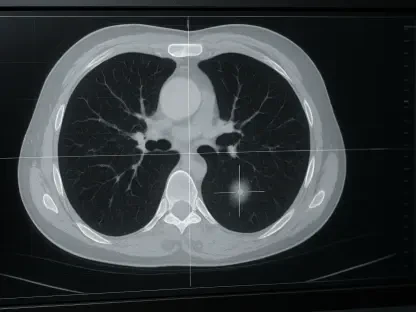

Long after scales celebrate a hard-won weight loss, the immune system can keep score in subtler ways, storing traces of past obesity inside helper T cells as molecular marks that linger and continue to shape health in the background. This emerging insight reframes obesity as more than excess fat; it functions as a long-running script for immune behavior, potentially extending vulnerability to disease beyond the moment weight returns to a healthier range. Rather than a quick reset, the immune system appears to operate on a longer clock.
This article untangles the science behind that clock by focusing on DNA methylation—small chemical tags on the genome that act like bookmarks on immune memory. The central goal is to answer common questions about how obesity imprints a durable record on CD4+ T cells, why that matters for long-term risk, and what can be done to accelerate recovery. Readers can expect a clear walkthrough of the underlying mechanisms, a look at the evidence across human cohorts and mouse models, and a practical discussion of clinical and personal implications.
Key Questions or Key Topics Section
What Does “Epigenetic Memory” of Obesity Mean?
The term refers to DNA methylation changes that accumulate in cells during obesity. These marks do not rewrite genes; they tune how genes are used, much like dimmers on a light switch. In helper T cells—the coordinators of immune responses—such tuning can recalibrate how vigorously or cautiously the immune system behaves.
Evidence shows that many of these methylation marks persist even after weight loss. That persistence suggests the immune system stores a record of past metabolic stress, making it slower to recover its original balance. In practical terms, a person’s current weight may no longer fully predict immune function or disease risk because the cells still “remember” yesterday’s conditions.
How Long Can This Memory Last After Weight Loss?
Analyses converged on an estimated 5 to 10 years for methylation patterns in T cells to gradually normalize. This is not a hard cutoff, but a trajectory shaped by biology, behavior, and age. The pace likely reflects how long immune cells take to turn over and how quickly tissues calm residual inflammation.
Notably, short-term metabolic improvements—better blood sugar, reduced waist size—often outpace shifts in methylation. That lag helps explain why epidemiologic risk for diabetes, cancer, or immune dysfunction does not always fall immediately after the pounds come off. The immune epigenome appears to need sustained stability before fully catching up.
Which Immune Cells Are Most Affected, and Why Do CD4+ T Cells Matter?
The focus falls on CD4+ T cells, also called helper T cells, because they set the tone for immune activity across many fronts—antiviral defense, tumor surveillance, and regulation of inflammation. When methylation marks alter their gene programs, ripple effects can touch multiple organs and systems.
Studies of blood and adipose tissue show consistent methylation changes in these cells in obesity. Because CD4+ T cells guide other immune players, their long-lived epigenetic shifts may propagate a pro-inflammatory tilt or a sluggish housekeeping response, even when weight has normalized.
What Pathways Underlie the Immune Changes Linked to Obesity?
Two pathways stand out: autophagy and immune senescence. Autophagy is the cell’s cleanup crew, responsible for clearing damaged components and keeping metabolism efficient. If methylation blunts this process, waste accumulates, inflammatory signals rise, and T cell performance declines.
Immune senescence, by contrast, is the drift of cells into an aged-like state characterized by low responsiveness and secretion of inflammatory factors. Obesity appears to nudge T cells toward this profile, and methylation marks help that profile stick. Together, these shifts can sustain a smoldering immune environment even after body fat drops.
What Evidence Supports the Existence of This Long-Lived Memory?
Converging data from multiple human cohorts, alongside mechanistic mouse studies, lend the strongest support. Cohorts included people receiving weight-loss injections, individuals with Alström syndrome compared with matched controls, participants in a 10-week exercise trial, and surgical patients who provided paired blood and fat samples. Across these contexts, T cell methylation changes associated with obesity were observed.
Mouse models on high-fat diets and ex vivo experiments using blood from healthy volunteers added mechanistic clarity. These systems allowed researchers to control diet, environment, and cell context, showing that methylation patterns could causally steer immune behavior. The cross-species alignment reinforces that observed patterns are not random artifacts of a single dataset.
Why Doesn’t Short-Term Weight Loss Immediately Lower Disease Risk?
Clinical outcomes frequently lag behind early metabolic wins. Biomarkers of glucose control and lipids can improve in months, but the epigenetic scaffold of the immune system remodels more slowly. As long as that scaffold reflects past obesity, immune surveillance, inflammatory tone, and tissue repair may not fully rebound.
This temporal gap clarifies frustrating experiences in the clinic, where lifestyle change or medications improve numbers yet fail to deliver the expected health dividends right away. The finding encourages sustained maintenance rather than quick fixes, reducing the temptation to abandon a plan when benefits seem delayed.
Can Therapy Help Erase or Soften This Memory Faster?
Beyond durable weight maintenance, researchers have flagged potential pharmacologic aids. Sodium-glucose cotransporter 2 (SGLT2) inhibitors, for example, show signs of lowering inflammation and supporting immune-mediated clearance of senescent cells in obesity. While these observations arose outside dedicated epigenetic trials, they hint at a way to accelerate immune recalibration.
Such strategies would complement—not replace—nutrition, activity, and behavioral support. Well-designed clinical studies are still needed to confirm whether these agents can meaningfully shorten the epigenetic timeline, align risk more quickly with present weight, and translate to better outcomes such as improved vaccine responses or reduced incident diabetes.
What Should Patients and Clinicians Do With This Information?
Setting expectations becomes critical. Patients who succeed in losing weight may still face lingering risk for years, so perseverance and follow-up matter. Ongoing surveillance of metabolic and inflammatory markers helps track the slow fade of immune memory, guiding preventive steps such as vaccinations, cancer screening, and cardiometabolic risk management.
Clinicians can frame weight maintenance as a biological investment period in which the immune system relearns balance. Counseling that anticipates the lag—combined with structured support for nutrition, physical activity, sleep, and stress—helps maintain momentum. When appropriate, considering adjunctive therapies or referrals to specialists in obesity medicine or immunology may provide added benefit.
Where Are the Limits of Current Knowledge?
The 5–10 year estimate reflects a best-fit view rather than a fixed number. Individual trajectories can vary by age, sex, ancestry, comorbidities, medications, and depth of past metabolic stress. Longitudinal data that follow immune methylation and clinical outcomes together are still scarce.
Causality also remains a frontier. While mechanistic work strengthens the case, untangling methylation from changes in microbiome, hormones, or adipokines is ongoing. Expanding research to more diverse populations and testing targeted interventions with clinical endpoints will be essential to refine timelines and personalize care.
Summary or Recap
The immune system appears to keep a molecular ledger of obesity through DNA methylation marks in helper T cells. Those marks can endure for 5 to 10 years, modulating autophagy and pushing cells toward an aged-like state that fuels low-grade inflammation. This durable imprint explains why disease risk can remain elevated even after successful weight loss.
Multi-cohort human data, tissue analyses from blood and fat, and cross-species experiments support these conclusions. The most practical takeaway is that time and consistency matter: long-term weight maintenance likely allows the immune epigenome to reset. Meanwhile, clinicians and patients can pursue vigilant monitoring and consider adjunctive strategies, including potential pharmacologic aids, as evidence evolves.
For deeper exploration, readers can look to recent immunometabolism reviews, clinical guidance from obesity medicine societies, and original research in journals that cover epigenetics, metabolism, and inflammation.
Conclusion or Final Thoughts
The case for obesity as an epigenetic condition as much as a metabolic one had grown, making it clear that biology values memory over momentary change. Rather than a quick reward for losing weight, the immune system demanded sustained stability to retire the marks of past stress. That understanding pointed to actionable steps: maintain weight loss over years, track risk continuously, and explore therapies that target autophagy and immune senescence alongside lifestyle change.
Future-focused care called for aligning weight management with immune recovery timelines, not just BMI targets. By treating maintenance as a therapeutic phase, encouraging structured follow-up, and testing interventions that may accelerate the fade of methylation marks, clinicians and patients were better positioned to close the gap between present health and past history.