


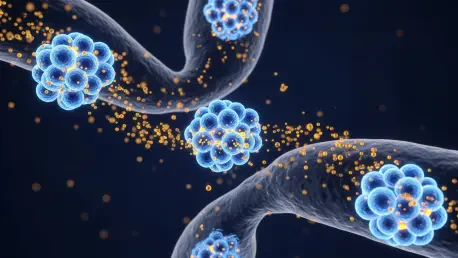

The intricate landscape of the human digestive tract operates as a sprawling internal metropolis where trillions of microscopic inhabitants influence everything from metabolic efficiency to the risk of developing life-threatening diseases. Colorectal cancer continues to persist as a major global health concern, frequently categorized among the most prevalent and lethal forms of malignancy. While hereditary predispositions and inevitable aging contribute to its onset, the scientific community has intensified its focus on modifiable lifestyle factors that provide a layer of defense. This shift in perspective moves beyond the traditional focus on genetics, examining how specific dietary choices can fundamentally alter the intestinal environment to discourage tumor growth.
Central to this investigation is the possibility that specific “friendly” bacteria, introduced through fermented foods or targeted supplementation, could drastically change the odds of receiving a cancer diagnosis. As researchers delve deeper into the biological synergy between the host and its resident microbes, the role of dietary staples like yogurt and probiotic supplements has transitioned from simple nutrition to potential preventative medicine. Understanding whether these microbial interventions can effectively lower the risk of colorectal cancer requires a detailed look at long-term epidemiological data and the complex interactions occurring within the gut barrier.
Beyond the Plate: Can Your Microbiome Dictate Your Cancer Risk?
The digestive system functions as a complex ecosystem where the balance of microorganisms determines the level of local and systemic inflammation. A significant shift has occurred in modern nutritional science, moving away from high-risk dietary patterns characterized by heavy consumption of red and processed meats and toward protective strategies rooted in fiber and fermented products. This transition is essential because the gut microbiome does not merely sit within the body; it actively communicates with the immune system and influences the rate of cellular mutations in the colon.
Specific dietary components like yogurt, probiotics, and prebiotics work in tandem to maintain a resilient intestinal lining. Fermented foods introduce beneficial strains that compete with pathogenic microbes, while prebiotics ensure these helpful residents can thrive and produce metabolic byproducts like short-chain fatty acids. A diverse microbiome serves as a biological shield, potentially preventing the initiation of oncogenesis by neutralizing toxins and regulating the lifespan of intestinal cells.
The Gut Microbiota Hypothesis: Why Your Internal Ecosystem Matters
At the heart of modern gastroenterology lies the gut microbiota hypothesis, which posits that a balanced internal ecosystem is a prerequisite for systemic health. When the microbiome becomes imbalanced—a state known as dysbiosis—the body becomes more susceptible to chronic inflammatory conditions that can eventually lead to malignancy. By prioritizing the intake of live beneficial bacteria, individuals can foster a diverse community of microbes that actively suppress the growth of harmful pathogens and reduce the oxidative stress that damages cellular DNA.
Moreover, the relationship between the host and the microbiome is symbiotic, meaning that what is consumed directly dictates which bacterial species dominate the digestive tract. High-fiber diets act as a primary fuel source for these beneficial bacteria, whereas diets high in processed sugars and saturated fats tend to favor the growth of microbes associated with increased cancer risk. Consequently, the maintenance of a healthy gut is not merely about avoiding “bad” foods but about actively cultivating a flourishing microbial landscape that supports long-term immune surveillance and tissue repair.
Unpacking the NHANES Findings: How Yogurt and Probiotics Correlate with Lower Risk
A comprehensive analysis of national health data over a twenty-year period, covering the span from 2006 to 2026, has provided significant insights into how these dietary habits influence cancer prevalence. The study followed more than 9,400 participants aged 50 and older, a demographic particularly susceptible to colorectal malignancies. By comparing those who regularly consumed yogurt and probiotics with those who did not, researchers were able to identify a stark difference in health outcomes. The prevalence of colorectal cancer was only 1.2% in the consumer group, while it nearly doubled to 2.1% among individuals who refrained from these products.
The demographic profiles revealed that regular users often exhibited “healthy user” traits, such as higher educational attainment, increased income stability, and lower smoking rates. To account for these potential biases, the research methodology utilized multivariable logistic regression, adjusting for age, body mass index, and preexisting health conditions. Even after these rigorous statistical corrections, a consistent 50% reduction in the odds of colorectal cancer was observed across all models, suggesting that the benefits of yogurt and probiotics extend far beyond the influence of a generally healthy lifestyle.
The Biological Engine: Strengthening the Gut Barrier Through Bacterial Diversity
The efficacy of these dietary interventions lies in the biological activity of specific bacterial strains, particularly Bifidobacterium and Lactobacillus. These microorganisms are the primary drivers behind the anti-inflammatory effects of fermented foods, helping to dampen the chronic irritation that often precedes the development of polyps. By strengthening the gut barrier, these probiotics prevent harmful substances from leaking into the bloodstream, thereby reducing the systemic immune stress that can lead to malignant cell transformation and uncontrolled growth.
Furthermore, the presence of prebiotics acts as a metabolic catalyst, enhancing the effectiveness of the probiotics and improving broader health markers. Participants who incorporated these elements into their routine showed superior profiles in fasting glucose and cholesterol levels, indicating a deep connection between gut health and metabolic stability. While the “healthy user bias” is always a factor in observational studies, the persistent correlation between bacterial diversity and lower cancer risk underscores the potential of microbiota-focused diets to serve as a cornerstone of long-term preventative health.
Strategies for a Cancer-Resistant Diet: Integrating Prebiotics and Fermented Foods
Building a cancer-resistant diet involves more than just occasional supplement use; it requires a strategic integration of fermented foods and prebiotic fibers into the daily routine. When selecting yogurt, prioritizing products that clearly list live and active cultures is vital for ensuring an adequate intake of beneficial bacteria. Complementing these dairy products with natural prebiotic sources such as garlic, onions, and bananas provides the necessary environment for the gut flora to flourish and provide their full protective benefits throughout the digestive journey.
Balancing red meat consumption with high-fiber plant foods further supports the structural integrity of the intestinal tract. While supplements offer a convenient boost, the consistent inclusion of diverse whole foods ensures a wide range of microbial strains that a single pill might lack. This transition toward a microbiome-focused lifestyle advocates for a longitudinal approach to health, where the daily choices made at the dinner table serve as a continuous investment in a future free from the burden of colorectal disease.
Medical professionals recognized that the path to reducing colorectal cancer necessitated a comprehensive strategy that integrated dietary microbial support into standard preventative care. Public health initiatives successfully shifted the narrative from reactive treatment toward proactive gut maintenance, encouraging populations to monitor their microbiome health with the same diligence as blood pressure or heart rate. These advancements provided a clear blueprint for individuals seeking to fortify their internal defenses through informed nutritional choices and consistent lifestyle modifications. Future research paved the way for personalized probiotic protocols tailored to an individual’s unique genetic and microbial profile, ultimately making cancer prevention a more precise and accessible reality for the global population.







