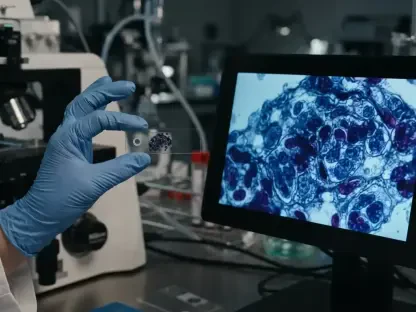

The diagnostic weight of Glioblastoma Multiforme has remained largely unchanged for decades, despite the rapid acceleration of genetic sequencing and molecular mapping in other oncology sectors. This malignancy represents the primary challenge in adult oncology due to its infiltrating nature and the profound difficulty of achieving complete surgical clearance. While the established standard of care, comprising surgical resection, localized radiation, and systemic chemotherapy with Temozolomide, has provided a foundational framework, it often fails to prevent rapid recurrence. However, the emergence of exceptional responders, individuals whose genetic signatures allow them to survive years beyond the typical prognosis, is currently reshaping the scope of brain cancer research. Institutional leaders like Brown University Health are spearheading the shift toward molecular neuro-surgery, focusing on the specific biomarkers that differentiate these outliers from the statistical norm.
The Current Landscape of Glioblastoma Research and Neuro-Oncology
Glioblastoma Multiforme is characterized by an aggressive cellular architecture that facilitates rapid expansion into healthy brain tissue, making total eradication nearly impossible through traditional means. The current clinical approach relies on a tripartite strategy: maximal safe resection followed by radiation and Temozolomide. Although this protocol remains the baseline for treatment, the high rate of therapy resistance and tumor recurrence underscores the urgent need for innovation. Researchers are now looking beyond general cell-killing strategies and toward the molecular nuances that dictate tumor survival.
Within the clinical population, the existence of exceptional responders provides a vital roadmap for future therapies. These patients often possess unique genetic profiles that naturally inhibit the tumor’s ability to survive standard treatments. By analyzing these specific genomic variations, scientists are identifying new targets that were previously overlooked. This shift has moved the focus from broad-spectrum cytotoxicity toward precision interventions that can potentially turn a standard patient into an exceptional one by altering their tumor’s molecular landscape.
Collaborative networks involving high-tier academic centers and healthcare systems are driving this evolution. Brown University Health, in particular, has become a central hub for studying the intersection of molecular biology and neuro-surgical intervention. These partnerships allow for the rapid translation of laboratory findings into clinical insights, fostering a research environment where the focus is on the specific genetic drivers of glioblastoma. This collaborative infrastructure is essential for managing the sheer volume of genomic data required to understand such a complex disease.
Catalysts for Change: Molecular Breakthroughs and Market Growth
Shifting Paradigms from General Treatment to Precision MicroRNA Targeting
The transition toward precision medicine in neuro-oncology is increasingly defined by the utilization of microRNAs as master regulators of gene expression. These small molecules are capable of silencing or modulating multiple genes simultaneously, offering a level of control that single-target drugs cannot match. The strategic objective is to move from treating tumors as immunologically cold environments to making them hot. By altering the molecular signaling within the tumor, clinicians can potentially unmask the cancer to the patient’s own immune system, triggering a robust and localized defense.
The specific discovery of miR-181d addresses the critical technological shift toward disarming the internal repair mechanisms of the tumor. Glioblastoma cells are notoriously efficient at mending the DNA damage caused by radiation, which leads to treatment failure. By utilizing miR-181d to interfere with these repair pathways, the tumor’s innate resilience is compromised. This precision targeting represents a move away from simply increasing the dose of toxic agents and toward a more sophisticated method of making existing treatments exponentially more effective.
Projecting the Growth of the Global Precision Oncology Market
The financial landscape for cancer treatment is undergoing a major realignment as investment in RNA-based therapeutics increases. Market analysts observe a significant trend toward funding platforms that offer targeted, rather than systemic, interventions. From 2026 to 2030, the precision oncology sector is expected to see a compound annual growth rate that reflects the shift toward genomic-based standards of care. This growth is fueled by the realization that targeted therapies can reduce the long-term costs of patient management by improving survival and reducing the need for repeated, ineffective interventions.
Performance indicators for these molecular therapies are increasingly focused on their ability to move efficiently from pre-clinical models to human applications. As genomic medicine becomes the clinical standard, the neuro-oncology market is maturing to support long-term research cycles. Investors are looking for therapies that demonstrate not just immediate efficacy, but the potential for durability. The scalability of microRNA treatments, which can be synthesized with high precision, makes them an attractive prospect for a market that is hungry for sustainable oncological solutions.
Navigating the Complexity of Treatment Resistance and Delivery Obstacles
The physiological barrier of the blood-brain barrier remains one of the most significant hurdles in delivering effective treatment to glioblastoma patients. This selective membrane protects the brain from toxins but also prevents the majority of systemic chemotherapy agents from reaching the tumor site at therapeutic concentrations. Overcoming this barrier requires innovative delivery strategies that can bypass systemic circulation entirely or utilize specialized transport mechanisms to ensure the molecule reaches the malignant cells.
A specific biological challenge within the tumor is the presence of the RAD51 protein, which plays a central role in mending DNA damage. When radiation therapy is applied, the tumor utilizes RAD51 to repair double-strand breaks, essentially neutralizing the treatment. Furthermore, the inherent heterogeneity of glioblastoma means that different regions of a single tumor may possess varying levels of resistance. Addressing this complexity requires a multi-pronged approach where miR-181d is used to suppress RAD51 across diverse cell populations, ensuring a more uniform response to radiation.
Strategies for local delivery are gaining traction as a means to circumvent these obstacles. Direct intracranial injection during surgical debulking allows for the high-concentration application of microRNA directly into the resection cavity. This method ensures that the therapy is present exactly where it is needed most, minimizing systemic side effects while maximizing the impact on any remaining cancer cells. Such localized approaches are becoming a cornerstone of modern neuro-oncological protocol, bridging the gap between surgery and adjuvant therapies.
Standardizing Innovation: The Regulatory Pathway for MicroRNA Therapeutics
Navigating the regulatory landscape for gene-based therapies involves a rigorous process designed to ensure safety in the treatment of orphan diseases. The Food and Drug Administration maintains stringent requirements for microRNA-mediated treatments, particularly concerning the stability of the molecules and the potential for off-target effects. For glioblastoma, which is often classified under orphan status due to its specific nature, the pathway to approval involves accelerated designations that prioritize therapies showing significant promise in early trials.
Biosafety and compliance are paramount when a therapy involves modulating the immune system. Clinical trials must meticulously document how microRNA interventions affect not only the tumor but also the surrounding healthy brain tissue. This data is critical for establishing a safety profile that can withstand the scrutiny of regulatory bodies. The move toward standardized immune modulation protocols is helping to streamline this process, allowing for more predictable outcomes in multi-center clinical trials.
The speed of regulatory clearance is also heavily influenced by the management of intellectual property and the willingness of institutions to share data. Multi-institutional collaborations, while complex, provide the robust data sets required for comprehensive regulatory review. When researchers from different centers pool their genomic data, the resulting evidence is much more persuasive to regulatory authorities. This collaborative model is becoming the standard for developing complex molecular therapies, ensuring that innovation does not stall at the administrative stage.
The Road Ahead: Bio-Engineering the Next Generation of Brain Cancer Treatment
The future of glioblastoma treatment is centered on the concept of priming the brain’s immune system to recognize and fight cancer over the long term. Rather than viewing treatment as a one-time intervention, the goal is to create a state of immunological memory. If the immune system can be trained to identify the unique signatures of glioblastoma cells, it can act as a permanent surveillance system, destroying microscopic clusters of cells before they can form a recurrent mass. This shift would effectively turn a terminal diagnosis into a manageable chronic condition.
Market disruptors in the near future will likely include personalized molecular cocktails. These treatments would not be a one-size-fits-all solution but rather a customized miR-181d formulation tailored to the specific molecular signature of a patient’s individual tumor. As sequencing technology becomes faster and more affordable, this level of personalization will become an expected part of the clinical workflow. Bioinformatics and artificial intelligence will play a vital role in this process, rapidly identifying which microRNA candidates are most likely to be effective based on a patient’s genomic data.
The global economic and health impact of these advancements cannot be overstated. By improving the efficacy of treatment and reducing the rate of recurrence, the burden on healthcare systems is significantly diminished. Furthermore, the lessons learned from miR-181d and glioblastoma are likely to be applied to other aggressive malignancies, such as pancreatic or lung cancer. This cross-pollination of genomic insights will drive the next generation of oncological breakthroughs, standardizing the “exceptional” results that are currently the exception rather than the rule.
A New Chapter in Oncology: Turning Exceptional Responses into Standard Outcomes
The dual-action potential of miR-181d provided a transformative framework for addressing the most persistent challenges in neuro-oncology. By simultaneously neutralizing the RAD51 protein and activating a systemic immune response, the molecule addressed both the internal resilience of the tumor and its ability to hide from the body’s defenses. Researchers successfully demonstrated that the mechanisms behind exceptional survival were not random occurrences but biological processes that could be replicated through targeted molecular intervention. This realization marked a shift in the philosophy of cancer treatment, moving away from purely destructive methods toward the intelligent modulation of cellular pathways.
Clinical evidence suggested that the integration of genomic insights from rare survivors allowed for the democratization of high-tier medical outcomes. The pathway from laboratory discovery to the patient’s bedside became more efficient as delivery obstacles were systematically addressed through localized surgical techniques. Strategic investments focused on these precision models, ensuring that the necessary infrastructure was in place to support the widespread adoption of microRNA therapies. Ultimately, the focus on bridging the gap between molecular biology and surgical practice led to a more cohesive and effective treatment strategy for patients facing aggressive brain malignancies.