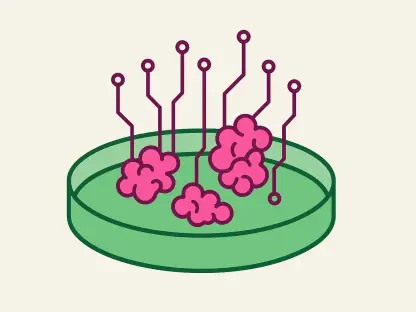

When the protein-processing machinery of the endoplasmic reticulum is overwhelmed by external stressors, it triggers a cascade of signaling pathways that culminate in programmed cell death. In the current landscape of 2026, oncology has moved decisively toward these types of organelle-specific interventions to bypass the limitations of traditional systemic chemotherapy. Researchers at the Indian Institute of Technology Gandhinagar have pioneered a sophisticated gold nanorod platform designed to exploit this very biological vulnerability. By focusing on the endoplasmic reticulum, or ER, this delivery system addresses the root of cellular stability, offering a precision that was previously difficult to achieve with conventional drugs. This move toward focused, intracellular targeting represents a significant shift in how researchers approach the eradication of malignant cells while preserving the health of surrounding tissues. As precision medicine becomes the standard, these advancements in nanotechnology provide a glimpse into a future where treatment is defined by molecular accuracy rather than broad toxicity.
Engineering the Nanoscale Delivery System
The Architecture of Gold Nanorods: A Multi-Functional Scaffold
The foundation of this therapeutic platform lies in the unique physical properties of gold nanorods, which serve as versatile scaffolds for multi-drug delivery in contemporary clinical research. These nanostructures are particularly prized for their surface plasmon resonance, allowing them to absorb near-infrared light and convert it into localized thermal energy. This photothermal capability is not merely a secondary feature but a primary driver of the system’s efficacy, as it enables controlled heat release within the microenvironment of a tumor. By meticulously engineering the aspect ratio and surface chemistry of these rods, scientists have created a vehicle that is small enough to navigate the bloodstream yet robust enough to carry a diverse payload of therapeutic agents. This architectural precision ensures that the gold nanorods remain stable during transit, preventing premature drug release and reducing the risk of systemic side effects that often plague traditional cancer treatments.
Furthermore, the surface of these nanorods is functionalized with a specific molecular coating that enhances their biocompatibility and targeting potential. In the current medical environment, creating a “smart” vehicle requires more than just a delivery mechanism; it requires a sophisticated interface that can interact with the complex biological milieu of a living cell. The researchers utilized advanced surface modification techniques to ensure the rods could penetrate the dense extracellular matrix of a tumor. This functionalization process involves attaching specific polymers and ligands that shield the gold core from immune detection while facilitating its uptake by the intended malignant cells. By optimizing the density and orientation of these surface molecules, the team has managed to increase the concentration of nanorods within the cellular interior. This high level of engineering allows the platform to function as an integrated nanomachine capable of executing complex therapeutic tasks with high efficiency.
Integrating Chemical and Thermal Agents: The Dual-Action Strategy
To maximize the impact on cancer cells, the platform integrates the potent chemotherapy drug cisplatin with indomethacin, an anti-inflammatory agent that has been shown to heighten the cell’s internal stress response. This combination is not accidental; it is a calculated effort to attack the cancer cell through multiple pathways simultaneously. While cisplatin focuses on the chemical destruction of DNA, indomethacin prepares the cellular environment for collapse by inhibiting certain protective mechanisms. The integration of these two agents onto the gold nanorod surface creates a synergistic effect that is far more powerful than the sum of its parts. This dual-action approach allows for the use of lower drug dosages, which is critical for reducing overall toxicity and improving the quality of life for patients. In the clinical context of 2026, such multi-modal strategies are essential for overcoming the drug resistance that often develops in aggressive cancer types.
A vital component of this chemical design is the use of dansyl-sulfonamide, a specialized targeting ligand that guides the entire assembly directly to the endoplasmic reticulum. This molecular homing device ensures that the nanorods do not simply wander aimlessly within the cytoplasm but are instead concentrated where they can do the most damage. Once the assembly reaches the ER, the localized application of near-infrared light triggers a photothermal response that amplifies the chemical toxicity of the cisplatin. This combination of physical heat and chemical interference creates a hostile environment that the cancer cell cannot easily repair. The ability to concentrate both thermal and chemical stressors within a single organelle marks a major advancement in the field of targeted therapy. This sophisticated molecular architecture ensures that the treatment is both lethal to the tumor and gentle on the patient, representing a true evolution in the design of anti-cancer delivery systems.
Mechanisms of Cellular Destruction
Triggering Endoplasmic Reticulum Stress: Pathways to Apoptosis
Once the functionalized nanorods successfully accumulate within the endoplasmic reticulum, they begin to disrupt the organelle’s critical ability to fold and transport proteins correctly. This disruption induces a state of severe ER stress, which serves as a biological catalyst for the eventual collapse of the cancer cell. Under normal conditions, the ER is responsible for maintaining cellular homeostasis, but when it is flooded with these foreign nanostructures and their chemical cargo, its machinery becomes hopelessly bogged down. This accumulation of misfolded proteins triggers the unfolded protein response, a survival mechanism that quickly turns into a death signal if the stress remains unresolved. The researchers found that by specifically targeting this organelle, they could bypass the traditional pathways of drug resistance that many tumors use to survive DNA damage. This shift from nuclear targeting to organelle targeting represents a more direct way to force a cell into programmed death.
As the organelle struggles to maintain its internal balance, it activates signaling pathways that move the cell from a state of attempted self-repair to a definitive path of apoptosis. The sustained stress on the ER membrane leads to the release of calcium ions into the cytoplasm, which further destabilizes the cell and activates various enzymes responsible for dismantling cellular structures. This process is highly efficient because it leverages the cell’s own internal regulatory systems to ensure its destruction. Unlike traditional necrosis, which can cause inflammation and damage to surrounding tissues, this targeted ER-mediated apoptosis is a cleaner and more controlled form of cell death. By precisely timing the delivery of stress-inducing agents, the nanorod platform ensures that the malignant cell is systematically eliminated. This method of inducing cellular suicide through organelle-specific pressure has proven to be an effective strategy against even the most resilient cancer cell lines in laboratory settings.
Synergistic Effects of Heat and Light: Enhancing Therapeutic Efficacy
The therapeutic efficacy of the platform is significantly boosted when the gold nanorods are exposed to near-infrared light, which triggers the massive production of reactive oxygen species within the cell. These volatile molecules cause extensive oxidative damage to the cancer cell’s internal structures, including its lipid membranes and vital proteins. This light-induced oxidative stress works in tandem with the ER disruption to ensure that the treatment is far more lethal than standard chemotherapy alone. The synergy between photothermal heat and chemical toxicity allows for a comprehensive attack that leaves the cancer cell with very few options for survival. In 2026, this type of combinatory therapy is viewed as the gold standard for treating deep-seated tumors that are often shielded from traditional interventions. The ability to use light to “switch on” the most toxic aspects of the therapy provides an additional layer of control, ensuring that the lethal effects are restricted only to the areas targeted by the laser.
Laboratory testing across colon, cervical, and breast cancer cell lines has already demonstrated that these ER-targeted nanorods are highly selective, killing malignant cells while showing minimal toxicity to healthy ones. The inclusion of a fluorescent tag allowed the research team to visually confirm that the nanorods reached their intended destination within the cell, providing a clear map of the treatment’s progress. These findings represented a significant leap forward in demonstrating how active nanomachines can interact with specific biological targets to improve patient outcomes. The high rate of tumor cell destruction achieved in these trials suggests that the platform could eventually become a primary tool in the oncologist’s arsenal. However, moving this technology from the petri dish to the clinic required addressing several complex hurdles related to how the human body interacts with metallic particles. Solving these final pieces of the puzzle was the ultimate goal for the scientific community as they looked toward the next phase of development.
Navigating the Path to Clinical Application: Future Considerations
While the initial results in cell cultures were promising, the transition of this technology to human patients involved addressing substantial challenges in pharmacokinetics and long-term safety. Researchers spent the last year evaluating how these nanorods behaved in the bloodstream and whether they could penetrate the complex, three-dimensional architecture of actual human tumors. One primary concern was the body’s ability to clear the gold particles after the treatment was complete, as the accumulation of heavy metals in the liver or kidneys could lead to late-onset toxicity. To mitigate these risks, the team explored the use of biodegradable coatings and smaller particle sizes that could be more easily excreted. They also investigated how the immune system might respond to repeated treatments, ensuring that the nanorods did not trigger a counterproductive inflammatory response. These studies were essential for determining the viability of the platform as a long-term solution for patients with chronic or recurring cancer.
The successful validation of these nanomachines in animal models eventually provided the necessary data to move toward more advanced testing phases. Scientists established clear protocols for the application of near-infrared light, ensuring that the heat generated remained within safe limits for human tissue while still being lethal to the tumor. They also refined the drug loading process to ensure a consistent dosage across different batches of nanorods, a critical requirement for regulatory approval. As these hurdles were cleared, the focus shifted to how this technology could be integrated into existing hospital infrastructure, such as standard laser equipment and infusion centers. The move toward clinical application required a collaborative effort between engineers, biologists, and clinicians to ensure that the transition was both safe and effective. By addressing the complexities of biodistribution and clearance, the research community laid a solid foundation for the future use of gold-based nanotherapies in mainstream oncology.