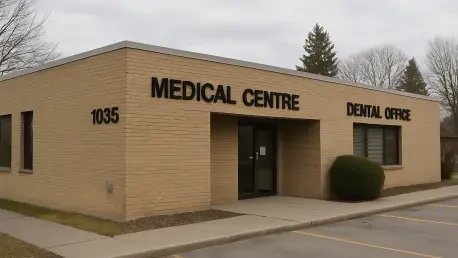

The strategic decision by Norfolk County councillors to authorize the sale of the Port Rowan Medical Centre represents a pivotal moment in the municipality’s ongoing effort to divest itself from non-essential real estate holdings and focus on core service delivery. Located at 1035 Bay Street, this facility has a layered history that mirrors the changing needs of the local community over the last several decades. Originally established as an emergency medical services base, the property underwent a significant transformation to accommodate medical and dental practitioners who required a centralized hub in the region. While it served its purpose for many years, the departure of the primary health team left a structural void that raised valid questions regarding the county’s continued role as a commercial property manager. With the remaining dental practice lease set to expire later this May, officials have determined that now is the ideal time to transition the asset into the private sector to ensure the site remains a productive part of the economy.
Reorienting: The Municipal Strategy for Essential Public Services
The core philosophy driving this divestment is the firm belief that managing commercial real estate is not a fundamental function of municipal government in the modern era. County staff and local leaders have consistently argued that acting as a landlord for specialized medical spaces detracts from the administration’s ability to focus on critical infrastructure, public safety, and governance. By stepping away from the property management sector, the county intends to reallocate its limited administrative talent and time toward high-priority projects that directly impact a broader range of residents across the territory. This ideological shift reflects a modernized approach to governance where limited public resources are preserved for mandates that the private sector cannot naturally fulfill. Rather than competing with professional developers, the municipality is choosing to simplify its portfolio, ensuring that taxpayers are no longer subsidizing the risks and maintenance inherent in running an aging clinic.
This current initiative follows a clear historical trajectory established previously when the county successfully transitioned the Port Dover Medical Building into private ownership to better serve the community. That specific transaction served as a successful pilot for the current strategy, proving that essential healthcare services can thrive without direct government oversight of the physical facility. Once the Port Rowan sale reaches its conclusion later this year, the municipality will officially no longer own any medical buildings, completing a comprehensive divestment strategy that has been carefully developed over recent years. This consistency in policy provides a predictable environment for local businesses and healthcare providers, as it clarifies the long-term role of the government in the local marketplace. Moving forward, the county will maintain its support for regional health initiatives through policy and advocacy, allowing private industry to guide the development of clinic management.
Navigating: Fiscal Sustainability and Future Infrastructure Resilience
From a strictly fiscal perspective, the sale of the medical center is designed to relieve the municipality of significant budgetary pressures that have been accumulating since the facility was converted. Current assessments indicate that the property has a market value falling between three hundred and fifty thousand dollars and four hundred thousand dollars, which offers a immediate injection of capital for other needs. More significantly, the disposal of the asset allows the county to avoid an estimated three hundred and sixty thousand dollars in projected capital maintenance costs over the coming decade. These expenses, which would have covered essential repairs and modern upgrades, represent a financial burden that officials are keen to remove from the current debt forecast. By divesting the property now, the county ensures that these heavy maintenance responsibilities are transferred to a private owner who has the specialized resources and incentives to keep the building properly updated.
The transition of the site from a public asset to a private holding fundamentally changes the property’s impact on the municipal tax base by turning a yearly expense into a consistent revenue stream. As long as the county holds title to the building, it remains responsible for annual property taxes amounting to nearly ten thousand dollars, which adds to the overhead of the municipal corporation. Once the property is sold, this existing expense is permanently removed, and a new stream of property tax revenue will begin flowing directly into the county’s coffers from the new owner. This double-benefit scenario reinforces the fiscal prudence of the deal, effectively converting a long-term liability into a taxable asset. Some councillors emphasized the importance of ensuring the county receives the highest possible return for the structure, as it remains a sound fixture within the district. These savings are then redirected toward broader infrastructure projects that serve a larger segment of the local population.
Enhancing: Community Value and Long-Term Urban Growth
The final stage of the divestment process served as a catalyst for a more robust regional redevelopment strategy that focused heavily on sustainable urban growth and infrastructure renewal. Instead of committing limited tax revenue to the remediation of a single legacy structure, the county leadership successfully channeled the proceeds and maintenance savings into a comprehensive fund designed to support a projected population of one hundred thousand residents. This move directly addressed the findings of a comprehensive Facilities Review, which identified that many municipal buildings required an unsustainable injection of capital to remain safe and functional. By liquidating the underperforming medical clinic, the council successfully neutralized the risk of future maintenance spikes and provided a clearer fiscal path toward modernization. These decisive actions ensured that Norfolk County maintained its agility, choosing to support local economic health through strategic policy incentives rather than property management.