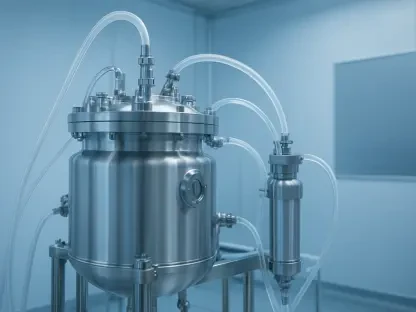

The delicate balance between cutting-edge biological innovation and the cold reality of fiscal responsibility determines the ultimate success of modern bioprocessing facilities operating in today’s high-stakes market. While the technical sophistication of a laboratory often garners the most attention from stakeholders, the true engine of sustainable progress lies within the strategic management of its operational matrix. This complex web involves navigating annual budget cycles, securing a specialized workforce, maintaining precise equipment standards, and adhering to increasingly stringent sustainability mandates. For many laboratory managers, the biological processes within a bioreactor are often more predictable than the volatile nature of supply chains or the intricacies of regulatory compliance. To bridge the gap between a successful pilot study and a commercially viable therapeutic product, a facility must operate with the efficiency of a high-performance business. This requires a shift in perspective where scientific discovery is viewed through the lens of operational excellence, ensuring that life-saving treatments can be scaled effectively without succumbing to financial or logistical mismanagement.
Maintaining this high level of operational efficiency is not merely an internal goal but a necessity for survival in a global landscape where regulatory bodies and competitors set an incredibly high bar. A facility that fails to account for the long-term costs of infrastructure or the necessity of a stable staffing plan risks becoming a bottleneck for innovation rather than a catalyst for it. Strategic management provides the framework needed to create a resilient environment where both research and production can thrive simultaneously. This stability allows scientists to focus on their primary mission of discovery while the administrative and operational teams handle the structural complexities that enable those discoveries to reach the public. Deep understanding of financial architectures, such as the depreciation of assets and the escalation of variable costs, is fundamental to this approach. By treating the laboratory as an integrated system where every component—from the high-level financial strategy to the daily maintenance routine—works in harmony, managers can ensure that breakthroughs are not just technical achievements but market successes.
Financial Frameworks: Capital and Operational Expenditure Analysis
A foundational element of successful bioprocessing management involves a sophisticated understanding of the distinction between capital expenditure (CapEx) and operational expenditure (OpEx). CapEx typically represents the significant, one-time investments required to secure long-term assets such as advanced bioreactors, high-speed centrifuges, and automated chromatography systems. These decisions are not merely financial transactions but are strategic commitments that define the facility’s production capacity and technical capabilities for several years. Because these assets represent a massive drain on liquidity and often involve complex depreciation schedules, they require a level of scrutiny that extends far beyond immediate laboratory needs. Managers must evaluate how each major purchase aligns with the long-term scientific roadmap of the organization, considering factors such as future throughput requirements and the potential for technological obsolescence. Improperly allocated capital can leave a facility burdened with expensive, underutilized machinery that drains resources through maintenance and footprint costs without providing a commensurate return on investment.
In sharp contrast to the fixed nature of capital assets, operational expenditure covers the fluid and recurring costs necessary to keep the laboratory functioning on a day-to-day basis. This category includes everything from staff salaries and facility utilities to the high volume of consumables and raw materials required for each production run. Unlike CapEx, which is often budgeted years in advance, OpEx is highly sensitive to production scales and market fluctuations in the price of reagents or energy. A lab manager must maintain a delicate equilibrium where operational costs are kept low enough to ensure profitability but high enough to guarantee the quality and safety of the biological products being manufactured. As production scales from clinical trials to commercial distribution, the proportion of the budget dedicated to OpEx tends to grow exponentially, requiring rigorous cost-control measures and efficient resource allocation. Balancing these two distinct financial streams is essential for maintaining the overall fiscal health of the facility, allowing for both the acquisition of new technologies and the sustained performance of existing operations.
Technological Transitions: Evaluating the Single-Use System Advantage
The bioprocessing industry has witnessed a transformative shift toward the adoption of single-use technologies, a move that fundamentally alters the financial and operational landscape of the modern laboratory. By replacing traditional, permanent stainless-steel equipment with disposable plastic components such as bioreactor bags, tubing, and connectors, facilities can drastically reduce their initial capital requirements. This transition allows for a more modular and flexible laboratory design, which is particularly beneficial for organizations working on multiple products or those requiring rapid changes in production scale. The reduction in fixed infrastructure also means that less time and money are spent on the complex cleaning and sterilization processes that are mandatory for multi-use equipment. Consequently, a facility can achieve faster turnaround times between production batches, increasing the overall throughput and agility of the operation. This technological evolution has lowered the barrier to entry for smaller biotech firms, enabling them to establish sophisticated manufacturing capabilities without the need for the massive upfront investments historically associated with drug production.
However, while single-use systems offer significant savings in capital expenditure and labor related to sterilization, they introduce a substantial increase in recurring operational costs. The continuous need to purchase sterile, medical-grade plastic consumables can become one of the largest line items in an annual budget, creating a long-term financial dependency on specialized suppliers. Lab managers must employ detailed financial modeling to determine the true cost-benefit ratio of single-use technology over the entire lifecycle of a project. Factors such as the cost of waste disposal, the risk of supply chain disruptions for specific connectors, and the environmental impact of high plastic consumption must all be weighed against the benefits of speed and flexibility. In many cases, a hybrid approach that combines the durability of stainless steel for large-scale, long-term products with the agility of single-use systems for early-stage development proves to be the most economically sound strategy. Navigating these choices requires a deep understanding of both the current production needs and the projected growth of the facility’s product portfolio.
Regulatory Validation: Funding Equipment Qualification Processes
Equipment qualification is a non-negotiable requirement in the world of bioprocessing, yet it is an aspect of operations that frequently suffers from inadequate budget planning in the early stages of facility development. Under the strict guidelines of Good Manufacturing Practice (GMP), every critical piece of machinery must undergo a rigorous validation process known as Installation Qualification (IQ), Operational Qualification (OQ), and Performance Qualification (PQ). This process provides documented evidence that the equipment has been installed correctly, operates within specified limits, and performs consistently under actual production conditions. These activities are not merely administrative hurdles; they are the bedrock of product safety and regulatory compliance. Failing to properly execute these steps can lead to severe legal consequences, including the suspension of manufacturing licenses or the forced recall of contaminated products. Therefore, the qualification process must be integrated into the core operational strategy from the moment a new piece of equipment is considered for purchase.
The financial and logistical demands of a comprehensive qualification program are often substantial, requiring a dedicated team of experts and a significant amount of time before any actual production can occur. Industry benchmarks suggest that organizations should allocate approximately 10% to 15% of the initial purchase price of a piece of equipment specifically for the qualification and validation phases. This budget must cover the cost of specialized testing materials, the hiring of external validation consultants if necessary, and the labor hours required to generate and review the extensive documentation. When these costs are overlooked, projects often face significant delays as managers scramble to secure additional funding or reallocate staff from other critical tasks. A proactive approach to qualification budgeting ensures that the transition from equipment arrival to active production is seamless and compliant. By acknowledging the high cost of regulatory adherence upfront, laboratory managers can avoid the bottleneck of unfinished paperwork and ensure that their facility remains ready for the scrutiny of both internal audits and external inspections.
Operational Continuity: Maintenance Strategies and Data Reliability
Preventive maintenance in a bioprocessing environment is far more than a routine chore; it is a critical regulatory mandate designed to ensure the continuous safety and efficacy of biological therapeutics. Federal and international regulations require that all equipment used in the manufacturing process be maintained according to a strict, documented schedule to prevent mechanical failures that could lead to batch contamination or loss. A robust maintenance program involves regular inspections, calibrations, and the preemptive replacement of components such as filters and sensors before they reach their failure point. This proactive stance not only keeps the facility in compliance with the law but also protects the significant financial investment represented by each production run. In the world of cell culture and protein purification, even a minor equipment malfunction can result in the loss of weeks of work and millions of dollars in raw materials. By prioritizing maintenance, lab managers create a culture of reliability that minimizes the risk of catastrophic downtime and ensures that the facility can meet its production deadlines consistently.
Accompanying the physical maintenance of equipment is the equally vital requirement for rigorous data integrity, which ensures that all operational records are accurate, legible, and contemporaneous. Every maintenance action, calibration, and repair must be documented in a way that follows the ALCOA+ principles (Attributable, Legible, Contemporaneous, Original, and Accurate). In the event of a regulatory audit, these records serve as the primary evidence that the facility has been operated safely and that the products manufactured within it are of high quality. If a repair involves a part that comes into direct contact with the biological product, the facility may be required to undergo a re-qualification process to prove that the repair has not altered the equipment’s performance profile. Additionally, laboratory managers must secure comprehensive service contracts with equipment vendors to guarantee rapid response times during emergencies. Since a delay of even a few hours can compromise the viability of a live cell culture, having a reliable network of support technicians and a ready supply of critical spare parts is essential for maintaining the operational continuity of the facility.
Human Capital: Strategies for Workforce Management and Staff Retention
The bioprocessing sector is currently grappling with a significant shortage of highly skilled professionals, a challenge that has become a primary concern for operational managers across the industry. The rapid expansion of new therapeutic modalities, such as gene and cell therapies, has created a demand for specialized labor that far outstrips the current supply of qualified candidates. This talent gap makes the recruitment and retention of experienced technicians, scientists, and quality assurance personnel a top priority for any facility aiming to maintain a steady production schedule. Managing a workforce in this environment requires more than just competitive salaries; it demands a strategic approach to shift scheduling, workload distribution, and professional development. Because bioprocessing often requires 24-hour monitoring of live cultures, facilities must implement rotation schedules that prevent staff burnout while ensuring that critical tasks are always covered by competent personnel. Understaffing or overworking employees can lead to an increase in human errors, which are one of the leading causes of batch failure and regulatory non-compliance.
To mitigate the impact of the labor shortage, successful laboratories are increasingly investing in robust internal training programs designed to cultivate talent from within the organization. By providing clear career paths and opportunities for skill enhancement, managers can increase employee engagement and reduce the turnover rates that frequently plague the industry. Training should not be limited to technical tasks but should also include a deep dive into the principles of quality culture and regulatory awareness, ensuring that every staff member understands their role in maintaining the facility’s compliance status. Furthermore, fostering a collaborative work environment where feedback is encouraged and achievements are recognized helps to build a loyal workforce that is committed to the long-term goals of the company. In a market where experienced professionals are often courted by competitors, the ability to retain a core team of knowledgeable employees is a major competitive advantage. This stability in the workforce translates directly into more consistent production outcomes and a more resilient operational framework that can withstand the pressures of rapid growth and changing market conditions.
Infrastructure Safety: Biosafety Protocols and Waste Mitigation environmental
The design and operation of a bioprocessing facility are heavily influenced by the biosafety levels required for the specific biological agents being handled. Most commercial cell culture operations function under BSL-1 or BSL-2 guidelines, which dictate specific physical barriers, personal protective equipment, and waste decontamination procedures to protect both the workers and the surrounding environment. Adhering to these biosafety protocols is not only a matter of safety but also a requirement for maintaining the legal right to operate within a given jurisdiction. This involves regular safety audits, the maintenance of specialized ventilation systems, and the rigorous training of staff in the handling of hazardous biological materials. As facilities grow in complexity, the management of these safety systems must be integrated into the daily operational routine, ensuring that no shortcuts are taken in the pursuit of production targets. The physical infrastructure of the lab must be continuously monitored to ensure that containment systems are functioning correctly and that all safety equipment, such as autoclaves and biosafety cabinets, is regularly calibrated and certified.
Parallel to safety concerns is the growing importance of sustainability within the bioprocessing industry, particularly in response to the high volume of plastic waste generated by single-use systems. Modern laboratory managers are now tasked with implementing green initiatives that reduce the environmental footprint of their operations without compromising product quality. This often involves conducting thorough waste audits to identify opportunities for recycling specialized plastics or working with vendors who offer “take-back” programs for used consumables. Additionally, process intensification techniques, which aim to produce higher yields in smaller volumes, can significantly reduce the total amount of energy, water, and raw materials required for each batch. By optimizing the efficiency of the biological process itself, facilities can achieve their production goals while minimizing their overall resource consumption. This commitment to sustainability is increasingly viewed as a hallmark of a well-managed facility, reflecting a long-term perspective that considers both the environmental and economic impacts of bioprocessing. Integrating these green practices into the operational strategy helps to future-proof the facility against upcoming environmental regulations and aligns the organization with the broader social expectations of the modern era.
Performance Analytics: Digital Integration and Operational Metrics
The modern bioprocessing facility relies heavily on the integration of digital systems and real-time data monitoring to maintain a high level of operational control. By moving away from siloed, paper-based record-keeping toward integrated Laboratory Information Management Systems (LIMS) and Manufacturing Execution Systems (MES), managers can gain a comprehensive view of the entire production process. These digital platforms allow for the automated collection of data from bioreactors, sensors, and analytical tools, providing immediate insights into the health of a production run. Real-time monitoring enables the early detection of deviations from established parameters, allowing for rapid interventions that can save a batch from failure. Furthermore, the use of advanced analytics helps to identify patterns and trends that may not be obvious through manual observation, leading to continuous improvements in process efficiency and product yield. The digital transformation of the laboratory also simplifies the process of regulatory reporting, as all necessary data is stored in a secure, searchable format that meets modern data integrity standards.
To ensure the long-term health of the operation, lab managers must track a specific set of key performance indicators (KPIs) that cover financial, technical, and personnel-related metrics. These KPIs often include the cost of production per gram of product, the average uptime of critical equipment, the rate of successful batch completions, and the percentage of staff who have completed required training modules. Regularly reviewing these metrics allows management to make data-driven decisions regarding resource allocation, equipment upgrades, and process optimizations. For example, if data shows a high frequency of downtime for a particular type of pump, the manager can prioritize the replacement of that component or negotiate a better service contract with the vendor. This level of transparency fosters a culture of accountability and continuous improvement, where every aspect of the operation is measured and refined over time. By leveraging the power of data, bioprocessing facilities can move beyond reactive management toward a proactive, strategic approach that ensures both technical excellence and financial sustainability in an increasingly competitive global market.
Future-Oriented Management: Actionable Steps for Lab Optimization
The successful management of bioprocessing operations required a shift toward integrated strategies that balanced scientific rigor with business discipline. Organizations that prioritized the separation of CapEx and OpEx planning while building flexible financial models were better positioned to navigate the transition to single-use technologies. By allocating specific funds for equipment qualification and maintenance, these facilities avoided the common pitfalls of project delays and regulatory fines. The implementation of robust training and retention programs addressed the critical labor shortage, ensuring that complex production cycles remained stable and error-free. Furthermore, the adoption of digital monitoring systems provided a level of operational transparency that allowed for real-time adjustments and long-term process optimization. These coordinated efforts transformed many laboratories from isolated research hubs into high-performance manufacturing environments capable of delivering consistent results.
Looking forward, the industry moved toward even greater levels of automation and the integration of artificial intelligence to manage the vast amounts of data generated during production. Facilities that adopted these advanced tools early were able to further reduce human error and increase throughput without a proportional increase in staffing costs. The focus on sustainability also intensified, leading to the development of more biodegradable consumables and more energy-efficient facility designs. Managers who remained proactive in their approach to these emerging trends ensured that their operations stayed ahead of both regulatory changes and market competition. The commitment to a holistic management philosophy proved to be the defining factor in whether a bioprocessing facility succeeded in its mission to bring life-changing biological therapies to the global market. Ultimately, the lessons learned from these strategic implementations provided a roadmap for the next generation of bioprocessing excellence.