
The landscape of American independent grocery stores often feels like a battlefield where small family-run shops struggle against the sheer logistical power of massive corporate health food chains. For many local retailers, the choice has dwindled down to either closing their doors permanently or watching their market share erode as consumers pivot toward more polished experiences. However, a husband-and-wife entrepreneurial team, Ameer and Brittany Yassin, has pioneered a revitalized business model that bypasses the traditional risks associated with ground-up developments in oversaturated markets. Their approach focuses on acquiring established but underperforming health food stores and transforming them through massive operational and aesthetic overhauls. By merging the intimacy of a local market with the efficiency and variety of a high-end corporate flagship, they are filling a vital niche. This strategy preserves the character of neighborhoods while introducing a contemporary standard that challenges the dominance of national organic giants.
The Strategic Blueprint: Foundations for Independent Growth
The foundation for this successful brand was built on years of hands-on experience in the natural products industry, beginning with Ameer Yassin’s involvement in his family’s enterprise, Green Life Market. This early venture functioned as a definitive proof of concept for the “buy-and-fix” strategy, where existing underperforming stores were systematically purchased and rebranded for long-term viability. When the founders eventually branched out to form Soulberry, they brought this disciplined operational philosophy to specific regions in Pennsylvania and New Jersey. They focused their efforts on locations where health-conscious consumers were clearly underserved by the existing retail infrastructure. The logic behind this model is that many independent stores fail not because of a lack of customer demand, but because of a failure to adapt to modern shopping habits or operational stagnation. By identifying these overlooked gems, the company avoids the high costs of building new structures from scratch.
Culinary Destinations: Beyond the Traditional Grocery Model
A central component of this growth strategy is the “full-service” upgrade, which moves far beyond the traditional model of selling shelf-stable goods and vitamins. To thrive in the modern market, the leadership believes an independent grocer must offer a complete culinary experience that integrates multiple facets of the wellness lifestyle. This means transforming a basic grocery shop into a full-service destination featuring organic juice bars, cafes, and prepared food stations that mirror the high quality of the raw ingredients found on the shelves. By making the store a primary destination for both grocery shopping and daily meals, the business creates multiple revenue streams and significantly increases customer loyalty. Traditional, limited-inventory health stores often struggle with low foot traffic, but by offering wood-fired pizzas and fresh organic salads, these markets become indispensable community hubs that compete directly with national chains that use prepared foods as a primary driver.
Regional Expansion: The Success of the New Hope Flagship
The flagship location in New Hope, Pennsylvania, serves as a prime example of the brand’s willingness to take risks and its clear vision for the future of food retail. Originally a small bulk foods outpost with only 3,000 square feet of space, the facility was expanded to 10,000 square feet under new management, introducing a robust foodservice department that includes a professional wood-fired pizza oven. Despite opening during a period of significant global logistical challenges, the store gained rapid momentum through word-of-mouth marketing as locals realized the former neighborhood shop had been transformed into a premier health destination. This physical expansion allowed for a much broader inventory, moving the store from a specialty shop to a one-stop-shop for all household needs. The success in New Hope demonstrated that consumers are willing to support independent businesses if those businesses provide the same level of convenience and variety as their larger corporate counterparts.
Human Capital: Preserving Legacy and Staff Expertise
In their expansion to various locations across New Jersey, such as Spring Lake Heights and Hamilton, the leadership prioritized staff retention as a key strategic growth tactic. Rather than replacing the existing workforce during a buyout, the company made a concerted effort to rehire or retain the entire original staff from these legacy stores. This approach preserved decades of institutional knowledge and maintained the existing customer relationships that are the lifeblood of any local market. It minimizes the friction often associated with rebranding and helps the community feel that their local market is being improved rather than replaced by an outside entity. This human-centric strategy has allowed these new locations to recover quickly from previous operational slumps and see significant growth under the new banner. By valuing the people who built the original stores, the brand fosters a sense of continuity and trust, proving that respect for local history provides a stable foundation for expansion.
Ingredient Standards: Surpassing National Corporate Benchmarks
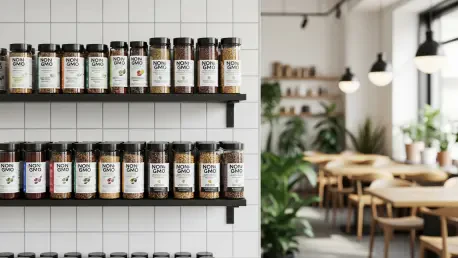
The company distinguishes itself from national competitors by maintaining ingredient standards that are often significantly more rigorous than those found in major organic retail chains. The management follows a “best options” philosophy, which includes banning every ingredient prohibited by national leaders like Whole Foods while taking several additional steps to ensure purity. For instance, the inventory prioritizes Non-GMO Project Verified products and requires independent verification for many vendors to ensure that transparency remains a top priority for their health-focused clientele. This level of scrutiny builds a deep sense of trust with shoppers who are increasingly skeptical of corporate labeling and marketing claims. By acting as a rigorous gatekeeper for every item that enters the store, the market removes the burden of research from the customer, allowing them to shop with total confidence. This commitment to integrity is not just a marketing slogan but a core requirement that dictates brand selection.
Clean Sourcing: Eliminating Additives and Processed Oils
These high standards extend deeply into the produce department and the prepared foods kitchen, where the policies are even more stringent than industry norms. The market maintains a strict policy of carrying only 100% organic or locally grown organic produce, and the leadership has taken a public stance against emerging technologies like “Apeel” coatings on fruits and vegetables. Furthermore, the professional kitchen is nearly 95% seed-oil-free, which is a significant differentiator for modern consumers who are increasingly wary of the health impacts of processed industrial oils. By offering unique items such as raw milk in Pennsylvania and maintaining a clean-label kitchen for all prepared meals, the market caters to a specific niche of wellness-oriented consumers who often feel overlooked by mainstream organic grocers. This focus on “clean” cooking allows the prepared food section to function as a health-conscious alternative to traditional dining while sourcing local, unadulterated ingredients.
Organizational Evolution: Building Professional Management Tiers
As the organization has grown from a single boutique store into a multi-unit company, the leadership structure has evolved to support a much larger and more complex organization. In the early days, the founders managed every detail personally, from inventory orders to floor displays, but they have since implemented a professional management tier to handle scaling. This includes the appointment of a culinary director whose primary role is to ensure quality and consistency in the prepared food offerings across all current locations. By delegating these responsibilities, the founders are able to focus on macro-strategy and identifying future acquisition targets that fit the revitalization model. Meanwhile, the focus on human resources and marketing ensures that the “human element” of the business remains intact even as the brand expands into new territories. This structural evolution is critical for maintaining the high standards of the brand while preventing the burnout that often plagues independent entrepreneurs.
Future Accessibility: Democratizing High-Quality Nutrition
The long-term vision for the company is to continue dismantling the widespread perception that high-quality natural foods must always be prohibitively expensive for the average family. By leveraging their increasing purchasing power as they add more locations, the founders aim to keep prices competitive and make wellness more accessible to a much broader audience than ever before. They view each new location not just as a retail space, but as a sanctuary for health and a cornerstone of the community that provides essential education and nutrition. As they look toward future expansions, their model of honoring the history of independent stores while modernizing their infrastructure provides a clear path for the continued revitalization of the natural products sector. This approach ensures that local grocery stores remain viable in the face of corporate consolidation, offering a blueprint for other independent retailers to follow. By combining a passion for health with a disciplined strategy, they prove that small-scale retail can thrive.
Actionable Insights: Lessons from the Revitalization Model
The successful revitalization of these independent markets offered a series of actionable lessons for the broader retail industry as it navigated the complexities of modern consumerism. Leaders discovered that prioritizing transparency and ingredient integrity acted as a powerful shield against the generic offerings of massive corporate competitors. The decision to invest heavily in foodservice transformed static grocery aisles into dynamic community hubs that drove consistent foot traffic and higher margins. Organizations that chose to retain legacy staff members benefited from immediate community trust and a seamless transition that protected the brand’s local reputation. By modernizing the physical infrastructure while preserving the cultural soul of each location, the business model proved that growth did not have to come at the expense of authenticity. These steps established a clear roadmap for independent grocers to reclaim their territory by focusing on high-quality prepared foods and strict sourcing protocols throughout the entire region.