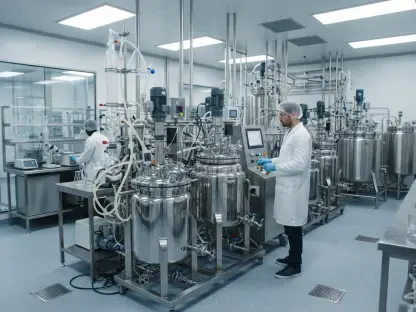

The persistent fragility of the American pharmaceutical supply chain has reached a critical juncture where relying solely on reactive measures is no longer a viable strategy for national health security. To address this, the Food and Drug Administration has introduced the PreCheck Pilot Program, a radical departure from traditional oversight that focuses on “greenfield” facilities built from the ground up on domestic soil. This initiative is not merely about construction; it is a strategic maneuver to insulate the healthcare system from the volatile disruptions that have historically led to severe drug shortages. By prioritizing new, advanced manufacturing sites within the United States, the agency aims to establish a more predictable and robust pathway for essential medications to reach the market. The objective is to eliminate the bureaucratic bottlenecks that often delay the availability of high-quality drugs, ensuring that the domestic infrastructure is equipped to meet patient needs.
Foundations: The Shift Toward Proactive Regulatory Oversight
Emerging as a direct response to a 2025 Executive Order, the PreCheck Pilot Program functions by fostering a collaborative ecosystem between federal regulators and drug manufacturers from the very start of a project. Historically, the FDA often identified significant manufacturing deficiencies late in the review cycle, which frequently resulted in expensive delays or the outright denial of applications for critical therapies. This new model relocates regulatory engagement to the earliest stages of the development timeline, allowing for a transparent dialogue that resolves technical hurdles before they can derail a product launch. This shift toward early intervention ensures that quality standards are baked into the facility’s DNA rather than being treated as an after-the-fact compliance check. This alignment between government expectations and industry capabilities serves as the cornerstone for a more resilient and modern domestic manufacturing base that can adapt to evolving health threats.
Participation in this pilot is restricted to entities that demonstrate a commitment to filling the most critical gaps in the current medical landscape, such as high-volume generics or orphan drugs. Beyond the technical requirements of building a modern facility, participating firms must provide a binding commitment to supply the American market for at least three consecutive years following product approval. This requirement ensures that the public investment in regulatory speed results in a sustainable, long-term contribution to the national drug supply rather than a temporary solution for short-term profits. By mandating this level of stability, the FDA is effectively pre-qualifying the reliability of the supply chain before the first pill is even manufactured. This strategic focus on longevity and volume helps to mitigate the risks of manufacturing exits that have historically plagued the domestic production of low-margin but essential medications across the entire country.
Strategic Selection: Identifying Critical Manufacturing Partners
The industry response to the pilot was remarkably swift, with the FDA receiving more than 80 detailed applications within the first month of the program’s official announcement. Such high levels of interest underscore a growing recognition among pharmaceutical executives that the old ways of navigating regulatory hurdles are becoming increasingly unsustainable in a competitive global market. In response, the selection committee prioritized facilities capable of producing sterile injectables and intravenous fluids, as these specific categories have been disproportionately affected by recent supply chain failures. By focusing on these vulnerable areas, the agency is targeting the root causes of hospital-level shortages that have complicated patient care in recent years. The selection process was rigorous, favoring firms that not only possessed significant capital but also demonstrated a high degree of technical proficiency and a history of maintaining strict quality control systems.
Among the seven organizations chosen to pioneer this effort are industry titans such as Eli Lilly and Regeneron, whose participation provides the scale necessary to move the needle on national supply. However, the inclusion of contract development and manufacturing organizations like Fujifilm Biotechnologies and Cellares is perhaps the most strategic aspect of the entire pilot project. These specialized entities provide the critical infrastructure and expertise required for smaller, innovative biotech firms that may lack the resources to construct their own state-of-the-art domestic facilities. By supporting these service providers, the FDA is effectively lowering the barrier to entry for a wider range of drug developers, fostering a more diverse and competitive manufacturing landscape. This approach ensures that the benefits of the PreCheck Pilot extend beyond a few large corporations, ultimately creating a more versatile and decentralized network of production sites.
Operational Structure: Implementing Quality-by-Design Principles
The operational heart of the PreCheck Pilot is a sophisticated two-phase system designed to front-load the most labor-intensive aspects of the regulatory review and inspection process. During the first phase, the FDA meticulously reviews facility designs and quality management systems through Drug Master Files long before any commercial operations are scheduled to commence. This proactive stance allows manufacturers to receive feedback on their structural and systemic choices at a time when changes are still financially and logistically feasible. Once a specific drug application is formally filed, the second phase triggers an expedited evaluation that moves physical site inspections much earlier in the review cycle than was previously possible. This “quality-by-design” philosophy encourages manufacturers to integrate superior controls and automated monitoring systems from the outset. If this model succeeds, it could serve as a blueprint for the entire industry, transforming the way all drugs are approved.
Moving forward, the industry understood that successfully navigating this new landscape required a shift toward integrated quality systems that anticipated regulatory needs well in advance. Stakeholders recognized that the PreCheck Pilot provided a unique opportunity to modernize aging infrastructure while simultaneously securing a competitive advantage through regulatory predictability. Manufacturers who prioritized early transparency with the agency found that they could reduce their time-to-market significantly, which allowed them to reinvest savings into further domestic expansion. Future considerations for the program involved scaling these protocols from 2026 to 2028 to include existing facility renovations, ensuring that the entire domestic base reached a modernized standard. By adopting these collaborative practices, companies not only fulfilled their regulatory requirements but also actively contributed to a self-sustaining health ecosystem. This evolution toward proactive partnership proved that domestic manufacturing was both viable and essential.