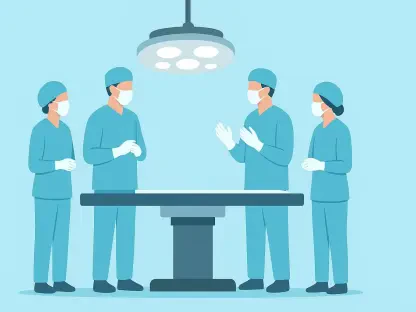
For Tim Andrews, a 66-year-old patient with Type O blood, the experiment served as a vital bridge to a human transplant after two years of exhaustive waiting. This milestone, achieved through the collaboration of researchers and surgeons at Massachusetts General Hospital, signals a pivotal shift in
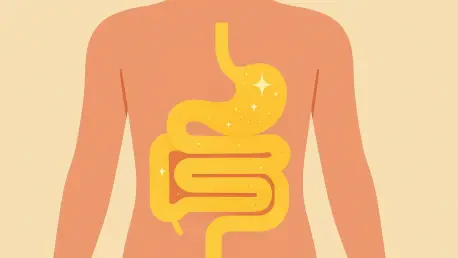
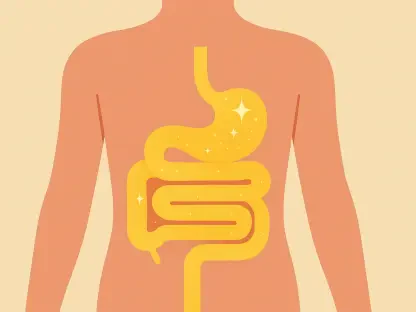
Mapping the adult human intestine through spatial atlases is essential for bridging the biological gap between mouse models and human clinical applications. The human intestine remains one of the most biologically active environments in the body, defined by a relentless and necessary cycle of

Innovations in biomedical engineering at CU Boulder involve layering polymers to support the growth of essential cells for long-term vessel health. Cardiovascular diseases remain a critical global threat, claiming approximately 20 million lives annually and necessitating advanced surgical
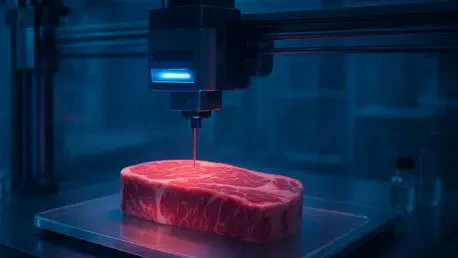
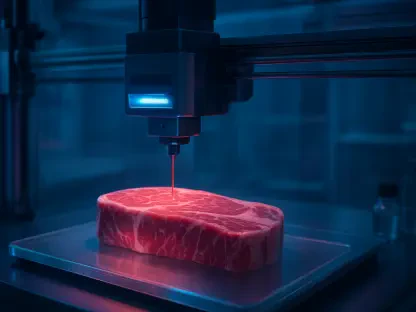
Vascularization remains a critical biotechnological hurdle for the industry, as thick tissue cuts cannot survive without internal systems to deliver nutrients and remove waste. This fundamental challenge defines the current landscape of cellular agriculture in 2026, as scientists move beyond basic
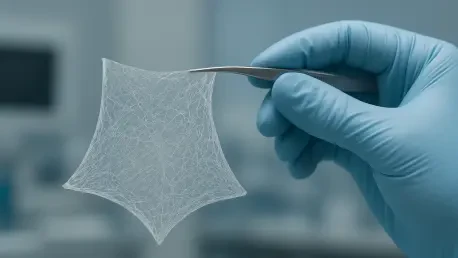
The historical reliance on rigid synthetic substrates for intestinal research has created a significant gap between laboratory observations and the soft, flexible reality of living human tissue. For decades, scientists have struggled to replicate the physiological environment of the gut using
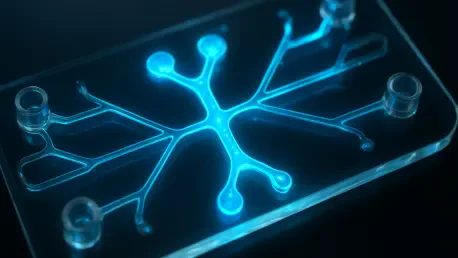
Waning immunity and the subsequent need for frequent booster shots may be addressed by understanding the survival signals provided by the human bone marrow ecosystem. This specialized tissue serves as the primary reservoir for long-lived plasma cells, which are the biological factories responsible
1 2 3 4 5 6 7 8 9 10 11 12 13 14 15 16 17 18 19 20 21 22 23 24 25 26 27 28 29 30 31 32 33 34 35 36 37 38 39 40 41 42 43 44 45 46