
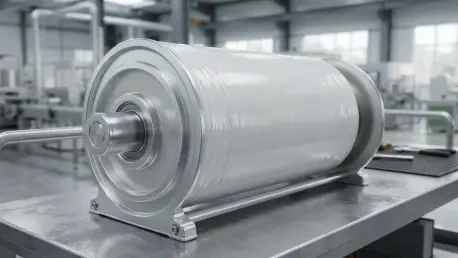
Manufacturing packaging in ISO Class 7 clean rooms ensures that the stringent requirements for cytotoxicity and purity in pharmaceutical applications are met. This baseline of safety is becoming even more critical as the life sciences industry shifts toward high-purity bioprocessing workflows that

As global healthcare systems grapple with the dual pressures of aging populations and rising costs, the emergence of integrated digital health ecosystems is no longer a luxury but a fundamental necessity for sustainable medical care. At the center of this transition, the Taipei City Government has

Regulatory hurdles and the complexity of characterizing nanoparticle behavior in humans have slowed the progress of bone-targeted nanomedicines. Despite these significant challenges, osteosarcoma remains a primary concern in pediatric oncology due to its high rate of metastasis and the persistent

Engineering a synthetic alternative to natural nerve grafts requires a complex balance of structural durability, nutrient diffusion, and precise biological signaling. When peripheral nerves are severed, the internal fibers often lose their way, leading to permanent loss of sensation and motor
Optimizing package design to improve medication adherence reduces environmental waste associated with failed clinical treatments and hospital readmissions. This realization has transformed the healthcare sector from a purely protective stance to one that views packaging as a critical component of

The approximately five-month delay between the initial system compromise and the mailing of victim notification letters has sparked concerns regarding vendor oversight and detection speed. When the Kentucky Cabinet for Health and Family Services (CHFS) announced that a security incident had

The landscape of modern oncology is rapidly shifting toward molecular precision, leaving behind the era of broad treatments that often fail to address specific genetic drivers. Patients with P-loop and alpha-C helix compressing mutations have long lacked targeted front-line options, often falling
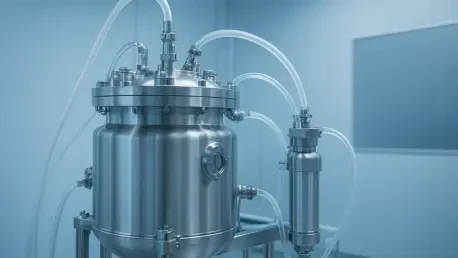
Starting with downstream process connectivity allows manufacturers to resolve purification bottlenecks without needing to alter fundamental process chemistry or regulatory filings. In the current production landscape of 2026, the biopharmaceutical sector is undergoing a necessary transformation as
Boris Yeltsin admitted in 1992 that the Soviet Union had maintained a massive, covert biological weapons program despite being an original signatory of the BWC. This revelation shattered the illusion that international treaties alone could prevent the weaponization of biology. Today, the world
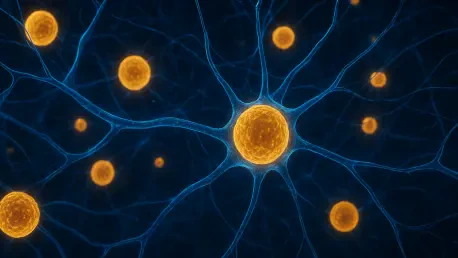
Clinical data from Phase I trials indicate that patients receiving XS411 experienced an average increase of five hours of daily functional time within six months of treatment. This significant therapeutic achievement represents a transformative shift for individuals living with Parkinson’s disease,
1 2 3 4 5 6 7 8 9 10 11 12 13 14 15 16 17 18 19 20 21 22 23 24 25 26 27 28 29 30 31 32 33 34 35 36 37 38 39 40 41 42 43 44 45 46 47 48 49 50 51 52 53 54 55 56 57 58 59 60 61 62 63 64 65 66 67 68 69 70 71 72 73 74 75 76 77 78 79 80 81 82 83 84 85 86 87 88 89 90 91 92 93 94 95 96 97 98 99 100 101 102 103 104 105 106 107 108 109


