
The profound silence experienced by individuals living with advanced neurodegenerative diseases often hides a vibrant internal world that lacks a reliable physical outlet for expression. Traditional methods of bridging this gap have typically existed at two extremes: non-invasive sensors that struggle with signal clarity and highly invasive brain surgeries that carry significant medical risks. Sub-scalp Brain-Computer Interface (BCI) technology has emerged as a transformative middle ground, offering a high-fidelity solution that remains outside the skull. By positioning sensors just beneath the skin, this innovation provides the resolution necessary for complex neural decoding without the complications of intracranial implantation.
Understanding Sub-Scalp Neural Interface Technology
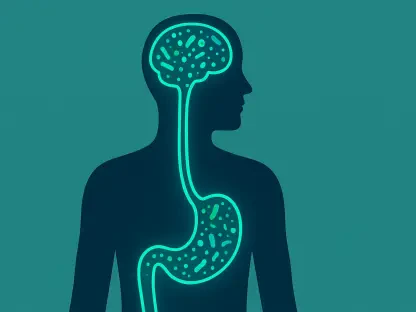
Sub-scalp BCIs function by capturing neural oscillations from the motor cortex, the region of the brain responsible for voluntary muscle control. Unlike traditional electroencephalography (EEG), which must contend with the electrical noise of the scalp and hair, sub-dermal placement allows for a much cleaner acquisition of cortical signals. This proximity to the source enables the detection of high-frequency components that are vital for sophisticated data interpretation.
The brilliance of this approach lies in its ability to balance performance and safety. By avoiding the penetration of the skull, the technology bypasses the risks of infection, cortical scarring, and long-term inflammation often associated with deep-brain implants. This makes the technology a compelling alternative for patients who require reliable assistive tools but are not ideal candidates for major neurosurgery. It essentially creates a stable, long-term communication link that remains minimally invasive while providing the data density of much more aggressive systems.
Core Components of the Sub-Scalp BCI System
Sub-Scalp Electrode Arrays and Signal Acquisition
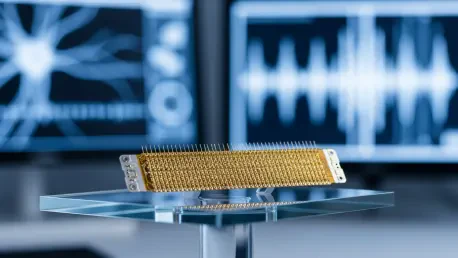
The hardware foundation of this system relies on high-density electrode arrays, often utilizing a 144-electrode configuration. These sensors are strategically tunneled under the scalp to sit directly above the motor cortex. Even in the absence of actual physical movement, the brain generates unique electrical signatures when a person intends to speak or move. These patterns serve as the raw data for the system, effectively capturing the neural intent before it is filtered by a damaged physical nervous system.
Machine Learning Decoding and Pattern Recognition
At the software level, machine learning models play a critical role in translating these complex electrical “QR codes” into digital commands. By training on large-scale datasets, these algorithms learn to recognize specific patterns associated with different phonemes or phrases. This predictive capability allows the system to identify intended speech even when the patient is completely non-verbal. The integration of cross-linguistic training data further enhances the robustness of these models, ensuring they can handle a wide variety of linguistic structures with high precision.
Recent Breakthroughs in Minimally Invasive Neuroprosthetics
A significant leap in this field has been the transition from purely academic exploration to viable commercial solutions, notably through ventures like Fluent. Research led by biomedical engineers has demonstrated that “mimed” or “imagined” speech produces signals high enough in quality to be decoded from outside the skull. This realization shifted the focus of development toward patients with total vocal paralysis, who were previously underserved by existing BCI technologies.
Furthermore, the influx of venture capital and pre-seed funding has accelerated the development cycle of these devices. Moving beyond laboratory settings, the latest prototypes have shown that high-density sub-scalp arrays can be implemented with a safety profile comparable to cochlear implants. This commercialization phase is essential for transforming a specialized research tool into a clinical-grade medical intervention that can be manufactured and deployed at scale.
Real-World Applications in Speech and Communication Restoration
For individuals suffering from Motor Neuron Disease (MND) or Multiple Sclerosis (MS), these interfaces represent a path back to autonomy. The technology converts neural intent into digital text or synthesized audio, allowing for real-time conversation. This speed is a critical advantage over legacy tools like eye-tracking software, which can be exhausting for users and significantly slower in word-per-minute output.
Moreover, the system provides a seamless communication channel that integrates with modern digital environments. Users can interact with home automation systems, send text messages, or browse the internet using the same neural signals they use for speech. This expansion beyond basic communication into broader digital participation is a key factor in improving the overall quality of life for patients with restricted mobility.
Technical Hurdles and Clinical Path to Adoption
Despite its promise, the technology must overcome hurdles related to signal stability and hardware longevity. The environment beneath the scalp is biologically active, and ensuring that electrode arrays maintain their sensitivity over years of use remains a technical priority. Additionally, developers must navigate the regulatory landscape, distinguishing “insertable” devices from more permanent implants to streamline the approval process for outpatient procedures.
Market obstacles also persist, particularly regarding the cost of high-density arrays and the training required for surgical teams. Standardizing the implantation procedure is necessary to ensure that it can be performed in regional hospitals rather than just specialized neurological centers. Reducing the complexity of the hardware while maintaining signal fidelity will be the primary focus for manufacturers seeking to reach a global patient base.
Future Outlook: The Evolution of Accessible BCIs
Upcoming clinical trials will likely focus on the integration of wireless power transfer and miniaturized processing units. Eliminating the need for external wires would further reduce infection risks and improve user comfort. Additionally, the inclusion of generative AI could allow the system to predict user intent more accurately, completing sentences and reducing the cognitive load on the patient during prolonged interactions.
The potential for sub-scalp interfaces to become a routine outpatient procedure suggests a future where neurotechnology is as common as other sensory prostheses. As the safety profile continues to improve, these devices may eventually expand beyond clinical use into the realm of general human-computer interaction. This trajectory points toward a more inclusive digital future where physical limitations no longer dictate a person’s ability to interact with the world.
Summary and Assessment of Sub-Scalp BCIs
The review of sub-scalp technology established that intracranial surgery was no longer the only viable path to achieving high-fidelity neural decoding. Researchers confirmed that the system reached a 96 percent accuracy rate in identifying phrases, proving that sub-dermal placement provided sufficient data for complex communication. The analysis highlighted that moving toward standardized surgical protocols and cross-institutional data sharing would be the most effective next steps for the industry.
Clinicians and engineers collaborated to refine the hardware, ensuring it remained a safer alternative to deep-brain implants. The findings suggested that the transition to commercialized devices would successfully bridge the gap between laboratory success and patient bedside. These advancements ultimately provided a framework for restoring independence to individuals with severe speech impairments through minimally invasive means.