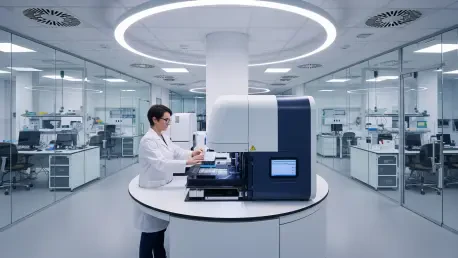

The ability to decode the complex symphony of proteins circulating within the human bloodstream has transformed the way medical science interprets the fundamental process of biological aging. While chronological age is a simple tally of years, biological age reflects the true state of an individual’s internal physiological health. Plasma proteomic signatures have emerged as the premier tool for this assessment because proteins are the functional units of the body, providing a real-time snapshot of cellular activity that DNA alone cannot offer. This technology bridges the critical gap between genetic predisposition and actual clinical outcomes, allowing for a much more precise understanding of how the body responds to environment, lifestyle, and time.
Foundations of Plasma Proteomic Analysis
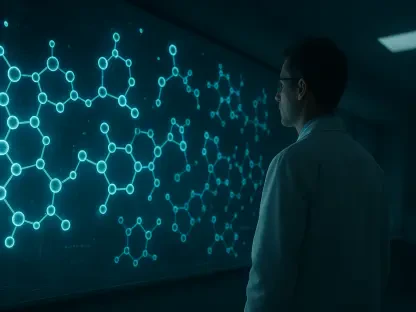
This analytical approach moves beyond the limitations of genomics by focusing on the proteome, the entire set of proteins expressed by a genome. While a person’s genome remains largely static throughout their life, the proteome is dynamic and shifts in response to disease, aging, and external stressors. By identifying specific protein patterns in human blood, researchers can now observe the transition from healthy states to preclinical disease phases. This capability is essential for personalizing medicine, as it moves the focus from broad population averages toward individual biological trajectories.
The shift toward proteomics represents a deeper understanding of human biology where the phenotype, rather than just the genotype, takes center stage. Identifying these signatures involves sophisticated computational models that filter through thousands of circulating molecules to find those that correlate most strongly with aging. This process has transformed blood from a simple diagnostic fluid into a high-fidelity data stream, providing insights into the metabolic and structural changes occurring deep within various tissues.
Technological Pillars and Measurement Frameworks
High-Throughput Protein Profiling Platforms
The success of proteomic analysis relies on platforms like SomaScan and Olink, which have revolutionized the scale at which proteins can be measured. SomaScan utilizes protein-capture aptamers—small, synthetic strands of nucleic acids—to identify and quantify thousands of proteins simultaneously. This high-throughput approach allows for the creation of massive, high-resolution datasets that reflect the complexity of human biology. Olink, on the other hand, employs a Proximity Extension Assay that uses antibody pairs to ensure high specificity even in complex mixtures like plasma.
The choice between these platforms often depends on the specific requirements of a study, such as the need for broad discovery versus targeted validation. SomaScan’s ability to measure over 7,000 proteins makes it a powerhouse for identifying new biomarkers, while Olink’s high sensitivity is crucial for detecting low-abundance proteins that might otherwise be missed. Together, these technologies provide the measurement framework necessary to turn a single drop of blood into a wealth of biological information, enabling a granular view of the body’s internal landscape.
Cellular Aging Clocks and Bio-Age Discrepancy
The development of organ-specific aging clocks represents a major milestone in understanding the heterogeneous nature of human decay. Not every organ ages at the same rate; a person might have a biologically young heart but old kidneys. By mapping plasma proteins to their specific cells of origin, scientists have created metrics to quantify this divergence. The resulting age gap serves as a powerful indicator of risk, showing how much faster or slower a specific system is deteriorating relative to the person’s chronological age.
This bio-age discrepancy is more than just a statistical curiosity; it is a clinical warning sign. A significant positive age gap in a particular cell type can precede the onset of chronic symptoms by years or even decades. By treating aging as a mosaic of different cellular clocks, researchers can identify the weakest links in an individual’s physiology. This approach allows for a level of preventive monitoring that was previously impossible, transforming the way health span is managed and extended.
Innovations in Predictive Modeling and Data Integration
Modern developments in the field are driven by the marriage of massive international cohorts and advanced machine learning algorithms. By pooling data from tens of thousands of individuals, researchers have refined the Polycellular Aging Risk Score, which aggregates aging signatures from across 40 different cell types. This score provides a holistic view of systemic decline, allowing for the identification of individuals who are at high risk for multiple age-related conditions. The use of AI ensures that these models can account for the non-linear nature of biological decline, capturing nuances that traditional statistical methods might overlook.
Furthermore, the integration of the Human Protein Atlas has shifted the focus from systemic markers to cell-specific signatures. By understanding which proteins are uniquely produced by specific cells, such as those in the brain or the liver, scientists can pinpoint the exact source of biological aging. This specificity is crucial for developing targeted therapies. Instead of treating aging as a general condition, clinicians can now focus on the specific cellular populations that are driving a patient’s risk profile, leading to more effective and personalized interventions.
Clinical Applications and Disease Prediction
One of the most promising applications of this technology is the early detection of neurodegenerative diseases. By identifying accelerated aging in astrocytes and neurons, clinicians can predict the onset of Alzheimer’s disease long before cognitive decline becomes apparent. For instance, individuals with extreme astrocyte aging and specific genetic predispositions have shown a significantly higher risk of developing dementia. This neuro-specific focus allows for a window of intervention where lifestyle changes or new therapies could potentially slow the progression of the disease.
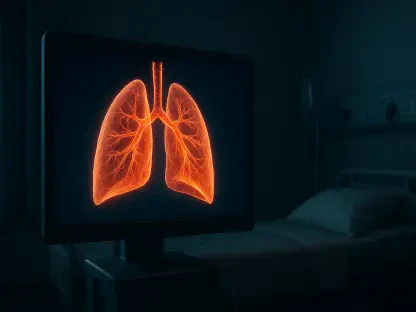
Beyond neurology, these proteomic signatures are proving invaluable in the musculoskeletal and respiratory sectors. In high-risk populations, such as heavy smokers, the biological age of alveolar cells can predict the likelihood of developing lung cancer with surprising accuracy. Similarly, identifying accelerated aging in muscle cells has provided a new way to screen for the risk of amyotrophic lateral sclerosis. These use cases demonstrate that the blood contains a detailed record of organ-specific health, offering a non-invasive way to monitor vulnerable systems across the entire body.
Current Barriers and Technical Constraints
Despite the rapid progress, significant technical hurdles remain that prevent widespread clinical adoption. A primary challenge is the fact that plasma protein levels do not always perfectly mirror intracellular gene activity. Proteins can be degraded, modified, or cleared from the blood at different rates, which can sometimes obscure the true state of the cells they originated from. Ensuring that blood-based signatures remain a reliable proxy for organ health requires continuous validation through cross-tissue studies and more refined biochemical models.
Market and demographic obstacles also present a hurdle for the global implementation of these signatures. Most major cohorts used to develop these aging clocks have been predominantly Caucasian, which limits the accuracy of the models when applied to more diverse global populations. For the technology to reach its full potential, it is essential to include data from a wider range of ethnicities and geographic locations. This inclusivity will ensure that the predictive power of proteomic signatures is equitable and effective for everyone, regardless of their background.
Future Directions in Personalized Longevity Science
The trajectory of this technology points toward a future where proteomic profiling becomes a routine part of preventive healthcare. As measurement costs continue to decrease and the resolution of the data increases, the transition from research models to clinical risk stratification tools will accelerate. This will enable a shift from the current model of reactive medicine—treating diseases after they appear—to a proactive model centered on maintaining cellular health. Such a paradigm shift could dramatically increase human longevity by addressing the root causes of decline.
Potential breakthroughs in the coming years may include the ability to halt or even reverse cellular decay through targeted biological programming. By using proteomic signatures to monitor the effectiveness of anti-aging interventions in real-time, scientists can fine-tune treatments to the individual. This level of precision marks the beginning of an era where cellular health is managed as a controllable variable, offering the possibility of a life largely free from the burden of chronic, age-related illnesses.
Summary and Final Assessment
The review demonstrated that plasma proteomic signatures reached a level of sophistication that was previously unattainable. These blood-based markers provided a high-resolution map of human health, moving the focus from time-based metrics to biological reality. The research underscored that cellular-level monitoring offered a powerful tool for predicting chronic diseases across multiple systems, including the brain, lungs, and muscles. By leveraging advanced measurement platforms and machine learning, the technology allowed for a nuanced understanding of how individuals aged at different rates, providing a clear path toward more personalized healthcare strategies.
The findings suggested that while technical and demographic barriers existed, the potential for these signatures to revolutionize preventive medicine was undeniable. The technology successfully bridged the gap between complex molecular biology and practical clinical applications. This shift toward biological age assessment represented a decisive move away from generalized medical care toward a future of precision longevity. Ultimately, the ability to decode the proteome solidified the role of blood as a central ledger of human health, ensuring that future interventions were both timely and targeted.