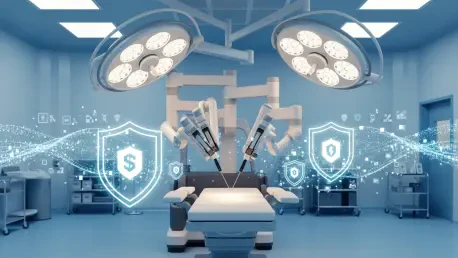

The integration of sophisticated medical technology into every facet of patient care has fundamentally transformed the modern hospital into a complex, high-stakes digital ecosystem. Today, specialized devices such as automated insulin pumps, cardiac monitors, and robotic surgical systems are no longer isolated mechanical tools; they are interconnected nodes within a vast, continuous network. While this digital evolution allows for unprecedented precision and real-time monitoring of physiological data, it simultaneously exposes the healthcare infrastructure to an entirely new category of vulnerabilities. A disruption in the digital integrity of these devices now poses a risk as severe as any clinical error or biological infection, necessitating a radical shift in how clinicians and engineers perceive the boundaries of patient safety. In the current landscape, ensuring that a ventilator is shielded from unauthorized remote access is just as vital to the survival of the patient as maintaining the mechanical reliability of its respiratory bellows during an emergency.
Shifting Perspectives: Clinical Care and Infrastructure Risks
Safety Requirements: Redefining Cybersecurity as a Direct Safety Requirement
For decades, the healthcare industry viewed the protection of digital assets primarily through the lens of patient privacy and the prevention of unauthorized data exfiltration. This traditional approach focused on compliance with legal frameworks designed to keep medical records confidential, yet it often overlooked the direct physical consequences of a compromised medical device. In 2026, the paradigm has shifted toward recognizing cybersecurity as an indispensable pillar of clinical care, where the primary objective is maintaining the operational continuity of life-critical hardware. When an infusion pump is attacked, the concern is no longer just the potential leak of a patient’s identity, but rather the immediate danger of an incorrect dosage being administered through a corrupted software command. This realization has forced healthcare administrators to integrate security protocols directly into the bedside workflow, treating a software patch with the same urgency as a pharmaceutical recall or a medical emergency response.
Beyond the immediate physical control of a device, the integrity of the information transmitted between the bedside and the central monitoring station represents a critical safety threshold. Modern diagnostic tools rely on high-fidelity data streams to inform surgical decisions and long-term treatment plans, making the accuracy of this information a non-negotiable requirement for sound clinical outcomes. If a cyber-adversary manages to subtly alter the data packets being sent from a remote monitoring patch to a physician’s dashboard, the resulting medical decision could be based on a digital fabrication rather than the patient’s actual condition. This threat necessitates a proactive defense strategy that goes beyond simple perimeter firewalls to include end-to-end encryption and continuous validation of data provenance. By ensuring that the digital signals driving medical care are authentic and untampered, healthcare providers protect the very foundation of clinical judgment from the subtle influences of malicious digital manipulation.
Legacy Systems: The Challenges of Visibility and Network Security
One of the most persistent hurdles in modernizing medical security involves the continued reliance on high-cost legacy equipment that was manufactured before current connectivity standards existed. These essential systems, ranging from large-scale MRI machines to specialized lab analyzers, frequently have operational lifespans that extend over a decade, far outlasting the security support offered by their original software platforms. Because these machines are critical to daily revenue and patient throughput, hospitals find it nearly impossible to decommission them simply because they run on outdated operating systems that are susceptible to modern exploits. Furthermore, the inherent sensitivity of medical electronics often prevents the installation of traditional security agents, which might interfere with the precise timing required for patient monitoring. This creates a challenging environment where legacy hardware acts as a weak link, requiring specialized network segmentation and dedicated monitoring tools to isolate these vulnerable assets from broader hospital networks.
Effective risk management in a large-scale clinical environment requires a comprehensive and real-time inventory of every connected asset, a task that has historically been plagued by poor visibility. In many modern medical centers, the sheer volume of Internet of Medical Things devices can number in the tens of thousands, creating a sprawling digital footprint that is difficult for IT departments to track manually. Without an automated way to identify the exact make, model, and software version of every device on the network, security teams remain unaware of which systems are vulnerable to newly discovered threats. The industry is currently moving toward the implementation of deep packet inspection and automated asset discovery tools that can distinguish between a generic tablet and a specialized surgical robot. This level of granular visibility allows administrators to prioritize their mitigation efforts, ensuring that the most critical devices are shielded first while providing a clear map of the network for rapid response during a suspected security incident.
Evolving Threats: Navigating Ransomware and Regulatory Standards
Specialized Expertise: Understanding Ransomware Risks in Healthcare
The rise of sophisticated ransomware groups has specifically targeted the healthcare sector, exploiting the high-pressure environment where every minute of downtime can have life-altering consequences for patients. These attackers understand that a hospital cannot simply go offline for a weekend to restore its systems from backups without jeopardizing the safety of those in the emergency department or the intensive care unit. When a ransomware payload encrypts the servers responsible for managing medical device telemetry, clinicians are suddenly forced to revert to manual, paper-based charting and observation methods. This forced regression not only slows down the pace of care but significantly increases the risk of human error, as staff struggle to maintain the same level of oversight without the aid of automated monitoring and alerting systems. Consequently, the threat of ransomware is no longer just a financial or operational risk; it is a profound clinical safety emergency that requires a highly coordinated and rapid defense.
Bridging the gap between traditional IT security and biomedical engineering is essential for developing a workforce capable of managing the unique demands of a connected clinical environment. In the past, these two departments often operated in silos, with IT focused on the network and biomedical teams focused on device maintenance and calibration. However, the convergence of these fields is now a prerequisite for effective patient safety, as securing a medical device requires a deep understanding of its clinical application and its technical architecture. Organizations are increasingly investing in cross-trained professionals who can assess how a security patch might impact the performance of a life-support system or how a network outage could disrupt a surgical workflow. This collaborative approach ensures that security measures are implemented in a way that respects the urgency of medical care, allowing for maintenance windows that do not overlap with peak clinical hours or jeopardize the stability of critical patient services.
Long-Term Resilience: Improving Regulatory Oversight and Standards
Regulatory bodies have responded to these escalating risks by mandating more rigorous security standards for the design and manufacture of medical technology, shifting the burden of safety to the source. New requirements for a Software Bill of Materials are now becoming the industry standard, providing healthcare facilities with a detailed list of every open-source component and third-party library used within a device’s software stack. This transparency allows hospital security teams to identify immediately which devices are affected when a universal software vulnerability is announced, drastically reducing the time required for risk assessment and remediation. Moreover, manufacturers are now required to demonstrate a commitment to post-market surveillance, ensuring that they provide timely security updates throughout the entire lifecycle of the product. This proactive stance by regulators ensures that security is integrated into the earliest stages of product development, rather than being treated as an afterthought in an increasingly complex and hostile digital landscape.
The realization that total prevention is an impossible goal led the healthcare sector to prioritize the development of systemic resilience and rapid recovery capabilities across all clinical networks. Stakeholders discovered that focusing on a fail-safe operational model ensured that even if a network segment was compromised, the individual medical devices maintained their core life-sustaining functions in an offline mode. Hospitals established rigorous downtime procedures that integrated digital recovery exercises into their standard emergency preparedness drills, treating a cyberattack with the same gravity as a natural disaster or a mass-casualty event. These efforts fostered a culture where security was viewed as a shared responsibility between manufacturers, administrators, and clinical staff, rather than a secluded technical problem. By adopting these comprehensive strategies, the industry successfully transitioned toward a future where medical innovation was balanced with an unwavering commitment to the digital and physical integrity of patient care.