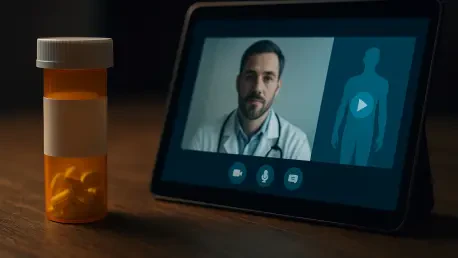

Fear of audit exposure and professional liability continues to cast a chilling effect on providers who might otherwise offer remote medication-assisted treatment. This clinical hesitation persists even as the United States confronts a maternal health emergency where opioid-related overdoses have emerged as a leading preventable cause of death during the perinatal period. When opioid use disorder remains untreated in pregnant individuals, the medical consequences ripple outward, causing higher rates of preterm labor, fetal growth restriction, and neonatal opioid withdrawal syndrome. Beyond physiological risks, the specter of child welfare involvement creates a profound barrier, as many mothers avoid seeking help out of a justified fear of losing custody. Buprenorphine, the current gold standard for treatment, offers a lifeline by stabilizing cravings with a superior safety profile compared to full agonists. However, the gap remains wide, as historical data indicates that less than half of pregnant women with this disorder currently receive the medications they need to survive.
Policy Advancements: The Impact of Medicaid Expansion
The landscape of remote recovery has undergone a radical transformation due to pivotal regulatory shifts finalized late last year. Specifically, the federal government formalized a permanent policy allowing for the initiation of buprenorphine treatment through audio-only telehealth encounters. This decision recognizes that digital equity is a fundamental component of modern healthcare, as high-speed internet and expensive video-capable devices remain out of reach for many low-income patients. By removing the requirement for a video connection, the 2026 healthcare framework ensures that geographic isolation or lack of technology does not disqualify a pregnant person from receiving life-saving stabilization. This shift reflects a growing consensus that the immediate benefits of initiating medication-assisted treatment far outweigh the potential risks of remote assessment, especially when dealing with a medication like buprenorphine, which features a ceiling effect on respiratory depression.
Parallel to these federal advancements, the widespread adoption of expanded postpartum Medicaid coverage across nearly every state has created a more stable environment for long-term recovery. As of early 2026, 49 states and the District of Columbia have extended continuous coverage from a mere 60 days to a full 12 months after delivery. This extension is particularly critical because Medicaid currently finances approximately three-quarters of all births involving opioid use disorder. Previously, the sudden loss of insurance just two months after childbirth often led to a total disruption of care, right when the stresses of new parenthood are most intense and the risk of relapse is highest. The current one-year window provides clinicians with the necessary time to foster stable recovery, ensuring that the parent remains connected to a supportive healthcare network throughout the most vulnerable period of their child’s infancy and their own personal journey back to health.
Regulatory Hurdles: Navigating Administrative Obstacles
Despite the overarching progress at the federal level, the implementation of telehealth-based buprenorphine remains hampered by a fragmented landscape of state-level regulations. There is no unified national consensus on how remote controlled-substance prescribing should be handled, leading to significant variations in which clinicians are authorized to provide these services and under what specific conditions. Furthermore, a glaring reimbursement parity gap often exists between private insurance and Medicaid programs. While many states have enacted laws requiring private payers to reimburse telehealth visits at the same rate as in-person encounters, these protections frequently exclude Medicaid. This fiscal discrepancy creates a disincentive for providers to offer remote options to the patients who need them most. Without financial parity and clearer legal frameworks, the promise of telehealth risks becoming a tool that only benefits those with private coverage rather than a universal bridge.
Even when a patient manages to navigate the complexities of finding a provider, they often face a formidable dead end at the pharmacy counter. Some pharmacists, acting out of a fear of regulatory scrutiny or potential legal liability, have implemented internal red flag policies that discourage or outright refuse the filling of buprenorphine prescriptions if the physician is located far from the patient. This geographic barrier effectively nullifies the primary benefit of telehealth for residents in rural areas where local specialists are non-existent. These pharmacy-level obstacles, coupled with punitive state policies that may treat prenatal substance use as a criminal matter, generate an atmosphere of surveillance rather than support. Many pregnant women find themselves caught in a paradox where the technology exists to help them, but the surrounding legal and administrative infrastructure remains rooted in a mindset that prioritizes suspicion and punishment over medical stabilization.
Clinical Frameworks: Developing Integrated Care Models
Bridging the gap between technological potential and clinical reality requires a robust research agenda that addresses the specific needs of the perinatal population. Current data sets often overlook the unique challenges faced by pregnant women, necessitating a multi-pronged approach that includes deep policy mapping and qualitative analysis. By interviewing patients and healthcare providers directly, researchers can uncover the hidden barriers that quantitative surveys might miss, such as a patient’s lack of home privacy for a sensitive telehealth session or a doctor’s fear of a malpractice lawsuit in the absence of in-person testing. These insights are vital for building a framework that is both medically sound and practically feasible. Understanding why some clinicians are hesitant to adopt remote methods allows for the creation of targeted support systems that address these specific anxieties, eventually leading to a more confident and widespread adoption of telehealth tools in addiction medicine.
Medical organizations such as the American College of Obstetricians and Gynecologists are now under pressure to establish standardized clinical guidelines that govern remote opioid use disorder management. These standards must clearly define the criteria for patient selection, outlining when a patient is a safe candidate for telehealth and when their specific medical complexities necessitate a transition to in-person care. Furthermore, a siloed telehealth prescriber cannot provide effective care in isolation; future models must focus on the seamless integration of remote addiction specialists with local obstetricians, pediatricians, and social workers. Creating established referral pathways and communication protocols ensures that the mother and newborn receive a cohesive, whole-person approach to health. Without these integrated systems, telehealth remains a fragmented solution that may fail to address the broader social and medical needs that often accompany substance use disorders in new families.
Maternal Health: A Path Toward Comprehensive Recovery
The movement toward expanding telehealth for perinatal recovery is fundamentally an effort to provide a flexible, patient-centered model that respects the complex realities of modern parenting. For a woman managing the demands of a high-risk pregnancy, a household, or a new infant, the traditional requirement of frequent, in-person clinic visits is often an impossible standard to maintain. Telehealth buprenorphine offers a way to stabilize these lives by removing the logistical burdens of transportation and childcare that so often lead to missed appointments and eventual relapse. By shifting the focus toward shared decision-making, clinicians and patients can collaborate to determine the best care delivery method based on the patient’s medical status, geographic location, and personal preferences. This approach does not seek to replace the doctor-patient relationship but to enhance it through digital accessibility, ensuring that life-saving treatment remains within reach regardless of life’s daily hurdles.
Moving forward, the medical community emphasized the necessity of aligning state policies with federal allowances to protect the rights of both providers and patients. Stakeholders advocated for a more robust legal shield that encouraged doctors to utilize remote tools without the constant threat of regulatory retribution. It became clear that the synthesis of better data, clearer clinical standards, and integrated care models was essential for the long-term success of these initiatives. Leaders in the field prioritized the development of educational programs that taught pharmacists and clinicians how to safely navigate the complexities of remote prescribing. By focusing on these actionable steps, the healthcare system sought to transform telehealth from a temporary pandemic-era convenience into a permanent pillar of maternal health. Ultimately, these efforts aimed to ensure that no pregnant person was forced to choose between seeking medical help and maintaining their personal dignity or family unity.