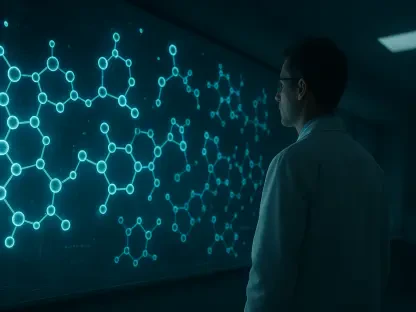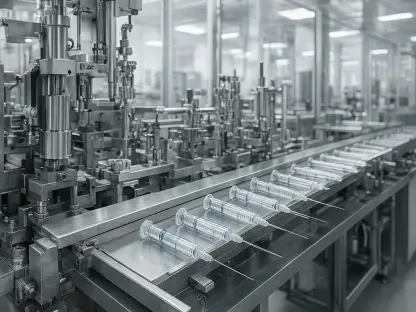

The relentless pursuit of efficiency within the diagnostic sector has led to a deceptive environment where gleaming robotic tracks often coexist with archaic, paper-based requisition systems that stifle productivity. Laboratory directors frequently find themselves trapped in a paradox where their facilities appear high-tech on the surface, yet the underlying operational fabric remains reliant on manual intervention and fragmented data. As we navigate the complexities of 2026, the distinction between true automation and mere digitization has become the defining factor for organizational survival. While digitization involves converting physical information into digital formats, true automation represents a holistic integration where systems communicate and act without constant human steering. The modern laboratory must reconcile these two states to address the chronic staffing shortages and the 15% annual increase in test volumes that have become the industry standard. Failure to bridge this gap results in “digital silos” where high-speed instruments sit idle while technicians manually transcribe data from one screen to another. This article explores the current state of laboratory workflows, identifying where the industry has succeeded in its transition and where the “bookends” of the diagnostic process—initial specimen intake and final result communication—continue to present significant hurdles for even the most well-funded institutions.
The Success of the Analytical Core
Streamlining the Laboratory Middle: Phase One Success
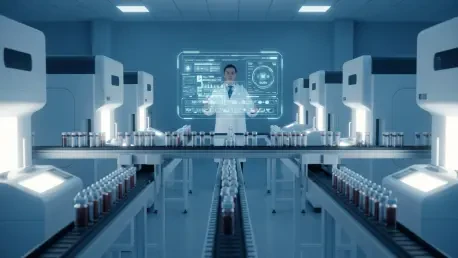
The most profound advancements in laboratory technology have historically concentrated on the analytical phase, turning the core of the lab into a highly efficient engine of production. In the current 2026 landscape, the integration of modular robotic tracks and advanced liquid handling systems has standardized the processing of routine chemistry and hematology panels. These systems are no longer isolated islands of machinery; they are sophisticated ecosystems where specimens are automatically sorted, centrifuged, decapped, and routed to the appropriate analyzer based on their unique barcode profiles. This level of synchronization has drastically reduced the “touch time” per specimen, allowing labs to handle thousands of samples with a fraction of the staff required only a few years ago. The success here is largely due to the maturation of bidirectional communication between hardware and software, ensuring that the Laboratory Information System (LIS) can command the track with surgical precision. This centralized control reduces the likelihood of sample contamination or misplacement, which were once common occurrences in high-volume settings.
Beyond the physical movement of samples, the middle of the workflow has benefited from the widespread adoption of auto-verification and reflex testing logic. Rules-based engines within the LIS now evaluate test results against predefined clinical criteria, releasing normal findings directly to the physician’s portal without human eyes ever touching the data. For instance, if a basic metabolic panel falls within a specific standard deviation of the patient’s historical baseline, the system confirms the validity and moves to the next task. This shift allows the laboratory to operate on an “exception-based” model, where the specialized expertise of medical technologists is reserved for complex or critical results that fall outside of the automated parameters. By automating the mundane, labs have successfully compressed turnaround times for routine screening, providing clinicians with the data they need to make rapid diagnostic decisions in emergency and inpatient settings alike. This established success in the analytical core serves as a blueprint for what the rest of the laboratory ecosystem could achieve if integrated with similar rigor and technological foresight.
Digital Pathology: The New Frontier of Integration
Digital pathology has emerged as a transformative force in anatomic pathology, moving the discipline away from the physical transport of glass slides and toward a centralized, image-based workflow. By utilizing high-capacity scanners that link directly to the LIS, facilities are now able to digitize tissue sections at sub-micron resolutions almost immediately after staining. This process eliminates the logistical nightmare of courier schedules and the risk of slide breakage, which historically delayed diagnoses by days. Instead, a pathologist can log in from a satellite office or a home workstation and begin interpreting cases the moment the digital file is uploaded to the cloud. This geographic independence is not just a convenience; it is a necessity for balancing workloads across multi-site healthcare networks where certain specialists might be concentrated in one urban center. The ability to instantly share high-resolution images for peer review or tumor boards has streamlined the consultative process, fostering a more collaborative environment that directly benefits patient outcomes through faster and more accurate staging.
The integration of image management systems with diagnostic tools has further enhanced the capabilities of the modern pathologist. In 2026, many labs are utilizing advanced visualization software that can automatically highlight suspicious regions of interest or perform precise cell counting that would be impossible to do manually with the same degree of reproducibility. These digital tools act as a second set of eyes, reducing the cognitive load on the pathologist and minimizing the risk of oversight during long shifts. Furthermore, the archival of these digital cases allows for easier retrospective studies and long-term comparisons without the need to retrieve physical slides from off-site storage. As these systems become more deeply embedded in the daily routine, the transition from traditional microscopy to a fully digital environment is proving that even the most manual and subjective areas of the laboratory can be successfully automated when the right infrastructure is in place. This progress sets a high bar for the other departments that are still struggling to move past their reliance on analog methods and physical handoffs.
Persistent Barriers to Full Automation
The Challenges of Manual Entry: The Front-End Bottleneck
Despite the high-tech machinery found in the heart of the lab, the front-end process of specimen accessioning remains a stubborn bastion of manual labor. Many facilities still receive a significant portion of their orders via handwritten requisitions or through external portals that do not interface directly with their internal LIS. This disconnect forces laboratory staff into the role of data entry clerks, where they must manually type patient demographics, insurance information, and test codes into the system. This reliance on manual input is the single greatest source of data corruption in the diagnostic lifecycle, as even a minor typo in a patient’s name or birthdate can lead to misidentified samples or billing rejections. When the foundation of a digital record is built on inconsistent manual entry, the speed and accuracy of the subsequent automated analytical steps are fundamentally compromised. The sheer volume of paper floating through the accessioning department creates a chaotic environment that is the antithesis of the streamlined, robotic core just a few rooms away.
The struggle to modernize the intake process is often exacerbated by legacy software systems that lack the flexibility to communicate with a wide variety of Electronic Health Records (EHRs). In a fragmented healthcare market, a single laboratory might receive orders from dozens of different clinics, each using its own software and data standards. Without a robust, standardized interface, the lab is forced to maintain a series of fragile workarounds, such as printing out orders only to scan them back into a different system. This “swivel chair” data management is not only inefficient but also creates a significant mental burden for the staff who must navigate multiple interfaces for a single specimen. Until laboratories can achieve true interoperability where order data flows seamlessly from the physician’s terminal to the lab’s analyzer without manual intervention, the front-end will continue to be a bottleneck that limits the overall capacity of the organization. True automation requires a unified digital thread that begins the moment a doctor decides to order a test, yet for many, that thread is still being cut by the persistent use of paper and pens.
Communication Gaps: The Post-Analytical Breakdown
The journey of a specimen does not end when the analyzer produces a result, yet many automation strategies fail to address the critical communication phase that follows. Notifying physicians of critical values or handling complex add-on requests remains a labor-intensive process that frequently involves phone calls, faxes, and endless rounds of “phone tag.” In many laboratories, when a critical value is flagged, a technologist must stop their clinical work, find the correct contact information, and manually document the notification in the system. This interruption is a major source of inefficiency and introduces a significant risk of delay in patient care. Automation should ideally extend to these communication channels, with secure, automated messaging systems that can push alerts directly to a clinician’s mobile device and record their acknowledgment in real-time. Without these tools, the high-speed gains made during the testing phase are often lost as the result sits in a digital queue waiting for a human to facilitate the final handoff to the treatment team.
Managing add-on orders presents another significant hurdle for the fully automated laboratory, as it requires the physical retrieval and re-processing of stored specimens. When a physician decides to add a test to a sample that has already been processed, staff must often navigate through vast refrigerated storage units to locate the specific tube, verify its stability, and manually re-enter the order into the LIS. This “hidden labor” is rarely accounted for in traditional ROI calculations for automation, yet it consumes hours of staff time every week. A truly automated system would include robotic storage and retrieval units that can automatically locate a sample and return it to the track for the new test without any human intervention. Furthermore, the lack of integrated communication regarding specimen stability often leads to unnecessary re-draws, causing patient discomfort and increasing the cost of care. Until the post-analytical phase is treated with the same technological urgency as the analytical phase, the laboratory will remain a collection of high-tech islands connected by inefficient, manual bridges.
Bridging the Integration Gap
Eliminating Silos: The End of Swivel Chair Management
One of the most persistent obstacles to achieving a truly automated environment is the fragmentation of software platforms that do not “talk” to one another. Many laboratories operate in a fractured ecosystem where the LIS is disconnected from the billing software, the supply chain management system, and the primary EHR. This lack of integration forces employees to engage in what is commonly known as “swivel chair management,” where they must manually transfer data between separate screens to complete a single task. This practice is not only a drain on productivity but also introduces a high risk of error as data is transcribed or re-entered across different databases. In 2026, leading diagnostic centers are moving away from these siloed architectures in favor of unified informatics platforms that provide a single source of truth for every specimen. By standardizing the data layer, these organizations ensure that information captured at the point of order entry is automatically available for clinical processing, financial reconciliation, and long-term archiving without the need for manual bridges or custom middleware.
The move toward standardized informatics is also driven by the inherent fragility of custom-built connections between disparate systems. Historically, labs have relied on complicated middleware to translate data between different vendors, but these bridges often break when one of the connected systems undergoes an update or a patch. This creates a state of operational paralysis where the laboratory must wait for specialized IT resources to repair the connection before normal workflows can resume. By consolidating their technology stack, laboratories can eliminate these points of failure and ensure a more resilient operation. Furthermore, a unified platform allows for more sophisticated data analytics, as managers can track a specimen’s journey from start to finish within a single system. This visibility makes it possible to identify real-time bottlenecks and optimize the distribution of resources based on actual workload data rather than anecdotal observations. Moving beyond the swivel chair model is not just an IT upgrade; it is a fundamental shift in how the laboratory manages its most valuable asset: its data.
Improving Financial Workflows: Real-Time Revenue Capture
Historically, the financial aspects of laboratory management have been treated as a back-office function, separate from the clinical workflow, leading to significant delays in revenue capture. In many facilities, billing codes are assigned manually at the end of the day or even several days after the test has been completed, resulting in a constant cycle of rework and claim corrections. This manual approach to billing is particularly problematic in an era of complex reimbursement rules and frequently changing CPT codes. By integrating financial workflows directly into the LIS, laboratories can implement real-time coding at the point of order entry. This ensures that every test is associated with the correct billing information before the specimen even reaches the analyzer, reducing the administrative burden on the laboratory staff and minimizing the rate of claim denials. When the clinical and financial systems are synchronized, billing becomes a seamless byproduct of the diagnostic process rather than a separate, labor-intensive chore that requires its own dedicated team to manage.
Furthermore, automating the financial workflow allows laboratories to implement proactive measures such as real-time insurance verification and medical necessity checks. By identifying potential billing issues before the test is performed, the lab can communicate with the ordering physician to obtain the necessary documentation or inform the patient of their financial responsibility upfront. This transparency reduces the frequency of uncompensated care and improves the overall financial health of the organization. In the competitive landscape of 2026, the ability to rapidly and accurately bill for services is just as important as the ability to perform the tests themselves. Labs that continue to rely on manual, batch-processed billing are essentially leaving money on the table and straining their personnel with unnecessary administrative tasks. Integrating these two worlds ensures that the laboratory remains a sustainable business unit capable of reinvesting in the very technology that keeps it moving forward. True automation must encompass the entire lifecycle of a specimen, and that includes the final step of getting paid for the work performed.
The Future of Human-Centric Automation
Augmenting Expertise: Machines as Assistants
The prevailing philosophy in 2026 emphasizes that the ultimate goal of laboratory automation is not to replace the human element, but to augment and elevate the expertise of the scientific staff. Certain diagnostic tasks, such as the interpretation of complex gram stains in microbiology or the visual identification of rare morphological abnormalities in hematology, still require the nuanced judgment and pattern recognition of a trained professional. While machines are excellent at performing repetitive, high-speed tasks with perfect consistency, they lack the contextual understanding required for these specialized interpretations. Therefore, the most successful automation strategies are those that delegate the “boring” and high-volume work to the robots, thereby freeing the laboratory’s most valuable human assets to focus on the difficult and exceptional cases. This shift from a manual labor model to a supervisory model allows scientists to spend more time on quality assurance, research, and collaborative consultation with clinicians, which ultimately improves the quality of patient care.
This human-centric approach to automation also plays a critical role in addressing the burnout and retention issues that have plagued the laboratory industry for years. By removing the physical and mental strain of manual pipetting, tube sorting, and data entry, automation creates a more sustainable and intellectually stimulating work environment. Technologists who are no longer bogged down by administrative tasks can engage more deeply with the science behind the diagnostics, leading to higher job satisfaction and lower turnover rates. In 2026, the laboratory is no longer viewed as a factory line, but as a sophisticated center of expertise where technology acts as a powerful assistant. The machines handle the scale and the speed, while the humans provide the oversight and the critical thinking necessary to ensure that every result is clinically sound. This partnership between man and machine is the true definition of a modern, automated laboratory, where the focus is on maximizing the impact of human intelligence rather than just increasing the output of hardware.
Predictive Analytics: Moving Toward Proactive Management
As we look toward the immediate future of the diagnostic world, the next evolution of automation is the integration of artificial intelligence for predictive workload management and order validation. Rather than simply reacting to the specimens that arrive at the door, laboratories are beginning to use data analytics to anticipate testing surges based on regional health trends, weather patterns, or historical hospital census data. This proactive approach allows managers to adjust staffing levels and reagent inventories before a bottleneck occurs, ensuring that turnaround times remain stable even during periods of high demand. Furthermore, AI-assisted order validation is starting to play a key role in ensuring that the correct tests are being ordered for the correct clinical indications. By cross-referencing orders with a patient’s electronic health record and established clinical guidelines, these systems can flag redundant or inappropriate tests, reducing waste and ensuring that lab resources are utilized where they are most needed.
The transition toward a truly autonomous model will also involve the use of mobile robotics for reagent replenishment and the transport of non-track specimens between departments. These “cobots” can navigate the laboratory environment, interacting safely with human staff while handling the heavy lifting and the routine logistics that once required manual intervention. By 2026, the goal is for the laboratory to operate as a self-correcting system where software monitors every instrument and workflow in real-time, automatically re-routing samples if a machine goes down or if a specific department becomes overwhelmed. The shift from being “digitized” to being “automated” is about moving from a state where technology is a tool that humans use, to a state where technology is an intelligent partner that manages the routine mechanics of the business. Ultimately, the labs that thrive will be those that embrace this journey of continuous workflow redesign, ensuring that their people are always positioned to do the work that only a human can do while the machines handle the rest.
The journey toward full laboratory automation required a fundamental shift in how diagnostic professionals approached their daily workflows. By moving beyond the simple digitization of records and embracing a truly integrated, exception-based environment, these facilities managed to overcome the operational bottlenecks that once hindered their productivity. The successful laboratories of 2026 prioritized the elimination of “human middleware” and focused on the seamless flow of data from the initial order to the final financial reconciliation. They recognized that technology worked best when it served to augment human expertise rather than replace it, allowing highly trained scientists to focus on the complex clinical cases that required their unique judgment. This strategic alignment between advanced hardware and sophisticated software created a more resilient and scalable infrastructure that was capable of meeting the ever-growing demands of the modern healthcare system. As these institutions continued to refine their processes, they demonstrated that the path to efficiency was not found in a single hardware purchase, but in a commitment to holistic system integration and continuous operational improvement. The transition was complete when the routine mechanics of the lab functioned with such autonomy that the human staff were finally free to lead the diagnostic conversation.