



The ongoing transformation of federal healthcare services has reached a pivotal moment as the gap between consumer technology and public health administration finally begins to narrow significantly for millions of older Americans. This demographic shift, characterized by a generation of seniors who are increasingly tech-savvy and reliant on mobile devices, has prompted the Centers for Medicare & Medicaid Services to implement a wide-reaching digital overhaul that addresses both clinical and administrative needs. The initiative moves beyond simple website updates, representing a fundamental shift in how the federal government approaches the intersection of public health and consumer-grade software applications. By prioritizing the integration of sophisticated digital tools like wearable monitors and real-time health data platforms, the agency aims to bridge the long-standing gap between formal clinical oversight and the daily lifestyle management of beneficiaries. This evolution is not merely about keeping pace with technological trends; it is a calculated response to the rising costs of chronic disease management and the administrative inefficiencies that have historically burdened the Medicare system. As beneficiaries demand more transparency and autonomy in their care, the push for a modernized digital framework becomes the cornerstone of a more resilient and proactive national health strategy that anticipates the needs of a diverse population.
Establishing a Secure Digital Infrastructure
Establishing the CMS Health Tech Ecosystem
The creation of the CMS Health Tech Ecosystem represents a strategic effort to dismantle the silos that have traditionally separated government health programs from the rapid innovation occurring in the private technology sector. This framework serves as a centralized hub where insurance payers, healthcare providers, and third-party software developers can collaborate under a unified set of technical standards designed to facilitate seamless data exchange. At the heart of this ecosystem is an emphasis on interoperability, utilizing modern API protocols that allow different software systems to communicate without the need for manual data entry or redundant testing. From 2026 to 2028, the agency plans to expand these digital connections to include more specialized clinical registries and social service organizations, ensuring that a beneficiary’s health record is a living document that reflects their entire wellness journey. This collaborative environment encourages developers to build specialized tools that cater to the unique needs of the Medicare population, such as accessible user interfaces for those with visual impairments or simplified navigation for users with cognitive challenges. By establishing clear guidelines and technical documentation, the agency has lowered the barrier to entry for innovative startups while maintaining a high level of oversight that protects the interests of the public.
A vital component of this ecosystem is the Medicare App Library, a curated marketplace that provides beneficiaries with a selection of pre-vetted applications designed to assist with various aspects of health management. Every application included in this library must undergo an exhaustive review process that evaluates its adherence to strict data privacy regulations, cybersecurity protocols, and clinical validity. This rigorous vetting ensures that seniors can trust the digital tools they download, knowing that their personal health information is protected by industry-leading encryption and that the advice provided by the software is backed by reliable medical evidence. The library is organized into intuitive categories, such as mental health support, physical therapy assistance, and medication adherence, allowing users to find the specific tools that align with their personal health goals. By centralizing these resources, the agency provides a safe haven for digital health exploration, reducing the risk that beneficiaries will fall victim to predatory apps that prioritize data harvesting over patient outcomes. This system also allows for continuous monitoring of app performance, where tools that fail to meet updated security standards or show declining clinical efficacy can be quickly identified and removed from the authorized list.
Streamlining the Healthcare Journey
The modernization effort focuses heavily on reducing the friction that often characterizes the interaction between older adults and the complex administrative structures of the Medicare program. One of the most significant advancements involves the integration of conversational artificial intelligence assistants into the primary Medicare portal and mobile application to help users navigate their benefits in real time. These AI interfaces are designed to understand natural language queries, allowing beneficiaries to ask complex questions about coverage, plan comparisons, or claim statuses without having to wait on hold for a human representative. This move toward automated yet personalized support significantly reduces the cognitive load on seniors, who may otherwise feel overwhelmed by the dense legal and medical terminology found in traditional benefit summaries. Furthermore, the system utilizes machine learning to predict when a user might need specific information, such as reminders for upcoming screenings based on their age and medical history. By proactively providing these insights, the digital platform transforms from a passive repository of information into an active partner in the beneficiary’s healthcare journey, ensuring that important preventative measures are never overlooked due to administrative confusion.
Beyond administrative support, the digital pivot includes a robust focus on managing chronic conditions through integrated tools that provide real-time feedback to both patients and their medical teams. For beneficiaries dealing with metabolic health issues or cardiovascular diseases, the integration of cellular-enabled medical devices allows for the automatic transmission of vital signs directly to their primary care physicians. This continuous stream of data eliminates the need for patients to keep manual logs of their blood pressure or glucose levels, which are often prone to errors and omission. When the system detects a reading that falls outside of a pre-defined healthy range, it can trigger an immediate alert to the healthcare provider, enabling a swift intervention that may prevent a costly and stressful emergency room visit. This proactive approach to care management is particularly beneficial for individuals living in rural areas where frequent office visits are geographically or financially difficult. By leveraging the power of mobile technology to monitor health status between scheduled appointments, the program creates a safety net that supports independent living while ensuring that clinical expertise is always within reach. The resulting reduction in manual paperwork also allows clinicians to spend more time discussing treatment plans with their patients rather than performing data entry tasks.
Advancing Clinical Access and Plan Personalization
Driving Success: The Impact of the ACCESS Model
The Advancing Care Coordination through Enhanced System Support Model, known as the ACCESS Model, represents a significant policy shift toward incentivizing the adoption of digital health tools within the clinical setting. This initiative provides financial and technical resources to healthcare organizations that successfully integrate remote patient monitoring and digital care coordination into their standard practice for Medicare beneficiaries. By aligning financial incentives with the use of technology, the agency encourages providers to move away from traditional fee-for-service models and toward value-based care that prioritizes long-term health outcomes. From 2026 to 2029, the ACCESS Model is expected to demonstrate how digital interventions can specifically reduce health disparities in underserved communities by providing better access to specialist consultations via high-definition telehealth platforms. This model also emphasizes the importance of the care team, using digital dashboards to ensure that every provider involved in a patient’s treatment—from the primary doctor to the physical therapist—is viewing the same up-to-date health information. This level of coordination is essential for preventing medication errors and ensuring that rehabilitation efforts are consistent across different care settings, ultimately leading to faster recovery times and higher patient satisfaction.
To further support the success of the ACCESS Model, the agency has invested in comprehensive training programs for medical staff to ensure they are equipped to handle the influx of data generated by digital health tools. These programs focus on data literacy, teaching nurses and physicians how to interpret trends in remote monitoring data and how to use digital communication platforms to engage with patients effectively. The model also includes provisions for digital health navigators—specialized staff members whose role is to help beneficiaries set up their devices and troubleshoot any technical issues that may arise. This human-centered approach ensures that the technology does not become a barrier to care, but rather a bridge that strengthens the patient-provider relationship. By addressing the technical hurdles at the practice level, the ACCESS Model creates a more inclusive environment where even the most technology-averse patients can benefit from modern medical advancements. The data collected during the initial implementation phase of the model will serve as a roadmap for future policy adjustments, allowing the agency to refine its reimbursement strategies based on which digital tools prove to be most effective at improving quality of life and reducing overall system costs.
Modernizing the Digital Shopping Experience
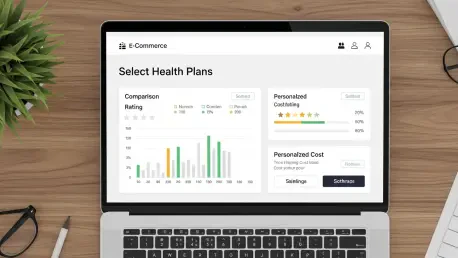
The process of selecting a Medicare health or drug plan has undergone a significant transformation to mirror the intuitive, data-driven experiences found in modern e-commerce platforms. The updated Medicare Plan Finder tool now utilizes personalized data from a beneficiary’s past claims and current prescriptions to provide an accurate estimate of total out-of-pocket costs for each available plan. This level of personalization moves beyond simple premium comparisons, allowing users to see how different coverage options would impact their specific financial situation throughout the year. The interface has been redesigned to minimize clutter and highlight the most relevant information, such as star ratings for quality and the specific pharmacy networks included in each plan. By incorporating interactive features like “what-if” scenarios, the tool helps beneficiaries understand how a change in their medication or a new diagnosis might affect their coverage needs in the future. This transparency empowers seniors to make more informed decisions, reducing the likelihood that they will choose a plan that does not adequately meet their medical or financial requirements. The goal is to eliminate the guesswork and anxiety that often accompany the annual open enrollment period, replacing it with a sense of confidence and clarity.
In addition to financial transparency, the modernized shopping experience includes a focus on the digital capabilities of the plans themselves, allowing beneficiaries to filter for options that offer enhanced telehealth services or integrated fitness tracking programs. Many private Medicare Advantage plans have responded to this shift by including wearable devices as a standard benefit, recognizing that these tools can help members stay active and healthy. The digital marketplace now highlights these value-added services, making it easier for tech-savvy seniors to find plans that support their lifestyle and preferences. Furthermore, the system includes a simplified enrollment process that can be completed entirely through a mobile device, with secure digital signatures and instant confirmation of coverage. This end-to-end digital experience significantly reduces the time and effort required to manage Medicare benefits, allowing seniors to spend more time focusing on their health and less time navigating bureaucratic hurdles. The integration of user feedback mechanisms within the shopping portal also ensures that the agency can continuously improve the interface based on the real-world experiences of the people who use it. As a result, the digital shopping experience has become a vital tool for promoting competition among insurers, as they must now compete on the quality of their digital offerings and the clarity of their communication.
Integrating Wearable DatThe Role of Primary Care
The seamless integration of data from consumer-grade wearables into the primary care workflow marks a major milestone in the modernization of the Medicare program. This initiative allows beneficiaries to opt-in to sharing data from their smartwatches or fitness trackers directly with their electronic health records, providing doctors with a more comprehensive view of a patient’s activity levels, sleep patterns, and heart rate variability. Unlike the snapshot of health captured during a brief office visit, this longitudinal data offers insights into how a patient’s condition fluctuates in their home environment and during their normal daily routines. For example, a physician might notice a gradual decline in a patient’s daily step count, which could be an early indicator of worsening congestive heart failure or the onset of depression. By catching these subtle changes early, healthcare teams can initiate conversations and adjust treatment plans before a minor issue escalates into a major medical crisis. This data-sharing capability is facilitated by secure, standardized connections that ensure the information is transferred accurately and remains confidential, adhering to all federal privacy guidelines.
To ensure that the integration of wearable data is clinically useful, the agency has worked with medical societies to develop best practices for managing and interpreting the massive volume of information generated by these devices. These guidelines help physicians focus on the most relevant metrics and provide strategies for integrating data review into the busy schedule of a primary care practice. Additionally, the system includes automated summary reports that highlight key trends and anomalies, preventing clinicians from being overwhelmed by raw data points. Beneficiaries also receive personalized reports through their Medicare app, helping them understand how their daily habits impact their long-term health goals and encouraging them to take an active role in their wellness. This two-way communication loop fosters a more collaborative relationship between patients and providers, where both parties are looking at the same objective data to make decisions. The focus remains on using technology to enhance the human element of healthcare, providing the tools necessary for more meaningful and data-informed clinical conversations. As wearable technology continues to advance, the ability to monitor more complex physiological signals will further expand the possibilities for remote care and early intervention within the Medicare system.
Strategic Progress in Digital Healthcare Integration
The transition toward a fully integrated digital Medicare system required a multi-faceted approach that prioritized the end-user experience while maintaining strict data integrity across all platforms. Stakeholders in the private sector were encouraged to align their development cycles with federal interoperability standards to ensure that new applications remained compatible with the overarching CMS framework. Policy experts emphasized the necessity of continuous feedback loops where beneficiary data informed the iterative updates of the Medicare App Library and the ACCESS Model parameters. Providers were urged to invest in staff training to effectively interpret the influx of remote monitoring data, turning raw statistics into actionable clinical insights for better patient management. Moving forward, the focus shifted toward expanding these digital initiatives to cover a broader range of specialized treatments and various socioeconomic demographics. By fostering a collaborative environment between developers, clinicians, and government officials, the system established a foundation for sustainable health equity and administrative efficiency. The final stages of this modernization phase set a precedent for how public health programs could successfully leverage emerging technologies to serve a diverse and aging population. Through these collective efforts, the Medicare program evolved into a more responsive and patient-centric system that utilized digital tools to enhance the quality of care and the efficiency of service delivery for all beneficiaries.







