
The shift from merely documenting the slow decline of the human body to actively engineering its rejuvenation marks one of the most profound transitions in modern scientific history. Findings presented at the latest global summits indicate that the field of gerontology is no longer content with passive observation. Experts now view the aging process as a biological program that can be decoded and rewritten rather than an unavoidable series of random failures. This transition is expected to close the persistent gap between longevity and vitality, moving medicine toward a future where age-related decay is treated as a manageable condition.
Industry leaders recognize that moving beyond observations requires a fundamental change in how chronic diseases are managed. The focus is shifting toward identifying the molecular drivers of frailty before they manifest as clinical symptoms. This proactive stance suggests that the accumulation of cellular damage is not an endpoint but a challenge that can be addressed through targeted interventions. By hacking the biological pathways that regulate survival, scientists are laying the groundwork for a new era of proactive health management.
The Scientific Blueprint for Recalibrating Human Biology
The scientific community is building a framework that treats human biology as a system capable of recalibration. By shifting the focus toward molecular interventions, researchers are developing strategies to maintain structural integrity at the cellular level. This blueprint relies on the synthesis of various high-tech disciplines to create a cohesive approach to longevity.
Rewriting the Cellular Narrative via Epigenetic Reprogramming
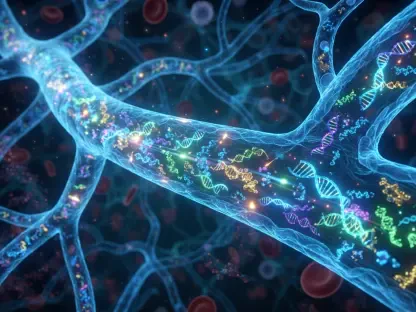
Recent discussions among molecular biologists suggest that the epigenome serves as a master control switch for cellular identity. Instead of fixating on permanent DNA damage, the focus has moved toward partial cellular reprogramming to restore youthful patterns of gene expression. This technique reminds aging cells how to function with the efficiency of their younger counterparts. However, practitioners remain cautious, as the balance between rejuvenation and the potential for erratic cellular growth requires precise management to ensure safety and maintain specialized cell functions.
The Rise of High-Fidelity Diagnostics and Multi-Organ Biological Clocks
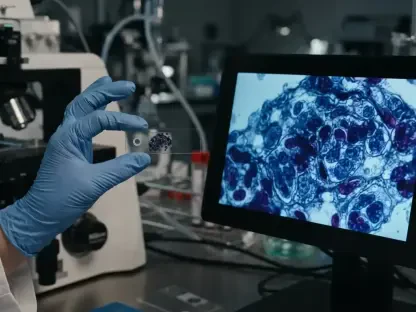
Precision in measuring biological age has surpassed simple chronological tracking through the development of high-fidelity diagnostics. New biological clocks utilize organ-specific proteomic signatures and advanced imaging to identify functional decline before physical symptoms appear. These tools provide a granular look at how different systems, such as the cardiovascular or hepatic networks, age at independent rates. The primary challenge involves standardizing these metrics to ensure they provide accurate assessments across diverse global populations for broader clinical use.
Leveraging Generative AI to Expedite the Discovery of Longevity Therapeutics
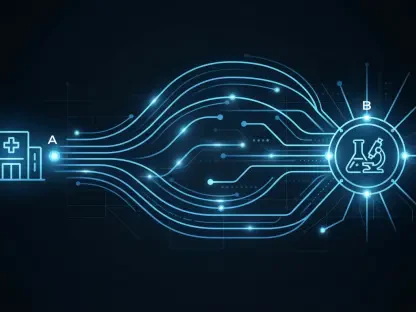
The integration of generative artificial intelligence is rapidly narrowing the traditional gap between the laboratory and the clinic. By employing AI to design bespoke proteins and identify previously hidden drug targets, scientists are accelerating discovery timelines that once spanned decades. This digital disruption allows for a more agile response to complex issues like chronic inflammation and metabolic dysfunction. As these models refine therapeutic candidates, the industry is shifting its focus toward the secure integration of these digital innovations into human trials.
Navigating Clinical Hurdles Through Targeted Disease-First Validation
Navigating the regulatory landscape for longevity treatments has necessitated a strategic shift toward a disease-first validation model. Rather than attempting to classify aging itself as a clinical condition, researchers are targeting recognized ailments such as fibrosis or neurodegeneration. This pathway allows for the validation of therapies that address the underlying biology of aging while treating specific symptoms. Such a strategy provides a necessary bridge between radical science and the existing requirements of global health regulators, ensuring a practical route to market.
Practical Implications for Translating Longevity Research into Clinical Reality
Turning these scientific insights into clinical reality requires a shift toward multi-targeted therapeutic strategies. Experts believe that addressing a single hallmark of aging is insufficient; instead, future protocols will likely involve combinations of treatments targeting senescence and inflammation simultaneously. Investment models are also evolving to favor translational science that brings these discoveries directly to patients. Utilizing precision diagnostics today allows individuals to pinpoint specific areas of decline and adopt personalized health interventions earlier.
Adopting a systemic approach means that future medicine will likely rely on therapeutic “cocktails” rather than silver bullets. These interventions will be tailored to the unique biological signature of each patient, ensuring that the treatment matches the specific pace of their aging. Furthermore, the move toward decentralized clinical trials and real-world data collection is making it easier to track the long-term efficacy of these longevity interventions. This ensures that the benefits of rejuvenation science reach a wider segment of the population quickly and safely.
Redefining the Human Experience Through Proactive Healthspan Management
The collective evidence suggested that the era of treating age-related decline as an inevitable fate reached its conclusion. By reframing aging as a tractable biological process, the scientific community opened a pathway to medical solutions that promised to reshape the global economy and individual lives. This transition highlighted the importance of ongoing cooperation between academic researchers, industry leaders, and regulatory bodies to ensure that advancements remained accessible and safe for everyone.
The shift in perspective ultimately provided a foundation for a future where the final stages of life focused on engagement and physical capability. Policy experts looked toward a world where the reduction in chronic disease burden led to a significant decrease in healthcare expenditures. By prioritizing functional health over mere survival, society moved toward a model where every decade of life offered the possibility of high performance. These developments marked the beginning of a societal restructuring centered on the preservation of human potential across the entire lifespan.