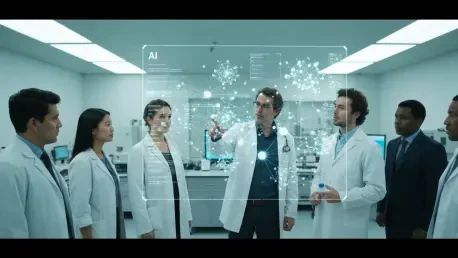
The painstaking and often inefficient process of manually sifting through thousands of patient records to find eligible candidates for clinical trials has long been a major bottleneck in medical innovation. The use of Artificial Intelligence in patient screening represents a significant advancement

In the intricate world of medical imaging, the human eye, despite its remarkable capabilities and years of training, is not infallible, and a single, overlooked shadow on a brain scan can have profound consequences for a patient's diagnosis and treatment path. The immense pressure on radiologists

The shadow of a dementia diagnosis often looms large, especially for those with a family history, creating a sense of genetic inevitability that can be both frightening and disempowering. However, groundbreaking research from UC San Francisco is challenging this deterministic view, suggesting that
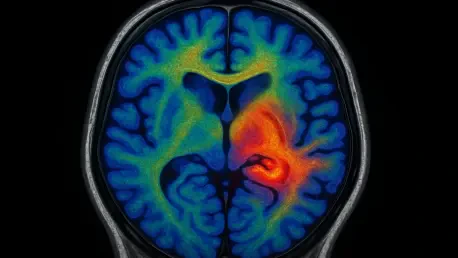
The invisible wounds of trauma have long presented a formidable challenge for modern medicine, particularly in the diagnosis of Post-Traumatic Stress Disorder, a condition historically reliant on the subjective and often fluctuating self-reports of patients. For the approximately 23% of 9/11 World

A comprehensive national survey has illuminated a critical tension at the heart of modern medicine, revealing that pediatric surgeons are cautiously navigating the integration of artificial intelligence while grappling with a host of unresolved ethical and practical challenges. The study
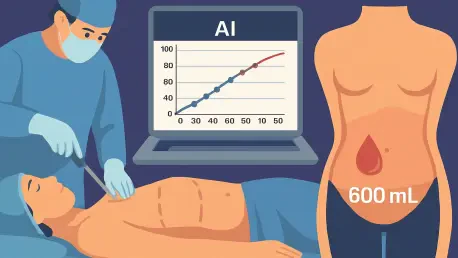
The world's most popular cosmetic surgery now has a digital guardian, an intelligent algorithm designed to foresee its most significant complication before it even begins. Liposuction, a procedure sought by millions for aesthetic enhancement, carries inherent surgical risks that scale with the