The engineering of autologous T-cells to express receptors for the Kappa Myeloma Antigen offers a precision-guided approach to treating the second most common blood cancer worldwide. This milestone has been realized through the commencement of the Phase 1 KOALA study, a first-in-human clinical
The SLICeVLP system decouples guide RNA delivery from Cas9 protein delivery to enable large-scale pooled CRISPR screening in primary human macrophages for the first time. This technological leap addresses a longstanding bottleneck in the field of immunotherapy, where the focus has historically
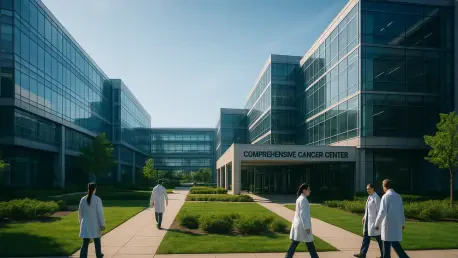
In addition to the recent NCI renewal, the UC Davis Medical Center has maintained its ranking as the top hospital in the Sacramento area for fifteen consecutive years according to national reports. This sustained excellence reached a new milestone today as the National Cancer Institute officially

For the 15,000 Americans living with Duchenne muscular dystrophy, the three-month regulatory delay represents a critical window where irreversible physical decline remains a constant threat. This extension, moving the target decision date from August to November 22, 2026, occurred after the Food
A single targeted mutation known as R126E has proven capable of enhancing the potency of growth-promoting proteins while making them more resistant to chemical degradation. This finding comes at a time when regenerative medicine is seeking more durable solutions for patients with impaired healing

Standard laboratory protocols for washing and preparing harvested stem cells must be modified with pre-warmed solutions to prevent thermal shock in sensitive biological samples. This requirement becomes critically apparent when treating patients with Cold Agglutinin Disease (CAD), a rare autoimmune