
A primary mission for the PSRM involves dismantling the 'magic bullet' myth by clarifying that regenerative medicine is a multifaceted field focused on long-term biological restoration. The Philippine Society of Regenerative Medicine (PSRM) was established at a pivotal moment in the nation's

Enhancing the fat-burning capabilities of CAR T cells allows these engineered immune units to penetrate and kill solid tumor cells more effectively. This development arrives as colorectal cancer has transitioned into the leading cause of cancer-related mortality for adults under the age of 50. The
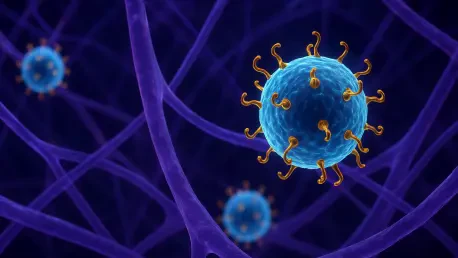
Standard immunotherapy often fails when cancer cells stop expressing a single target protein, a biological loophole that the new trispecific design aims to close by targeting CD19, CD20, and CD22. This experimental breakthrough, emerging from a phase I clinical trial at The Ohio State University

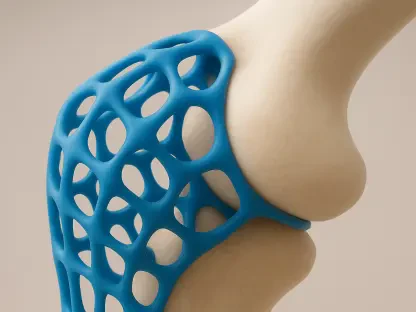
A critical bottleneck in large-scale tissue grafting is the lack of internal blood supply, which often leads to cell death at the center of the engineered construct. To address this, recent advancements in osteoimmunology have pivoted toward materials that do not merely coexist with the body but
The transition of follow-up care from intensive monthly screenings to simple annual questionnaires illustrates the long-term stability achieved by modern transplant survivors. This remarkable shift is personified by Andrew Ruane, whose survival story bridges the primitive era of oncology and the
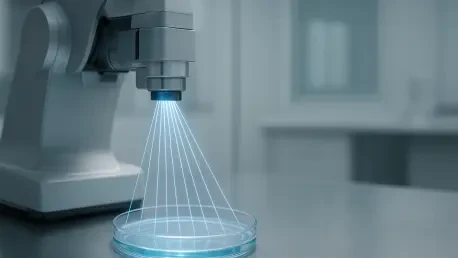
Safety profiles for minibeam radiation show significantly fewer skin injuries and hair loss compared to the side effects observed with traditional wide-field radiation techniques. This clinical advantage marks a pivotal shift in managing primary central nervous system lymphoma, a notoriously
1 2 3 4 5 6 7 8 9 10 11 12 13 14 15 16 17 18 19 20 21 22 23 24 25 26 27 28 29 30 31 32 33 34 35 36 37 38 39 40 41 42 43 44 45