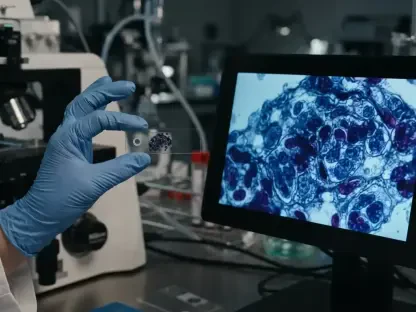

Metastatic breast cancer remains one of the most challenging forms of cancer to treat, with only about one-third of patients surviving beyond five years post-diagnosis. Traditional treatments such as chemotherapy, radiation, and surgery have shown limited effectiveness, often accompanied by
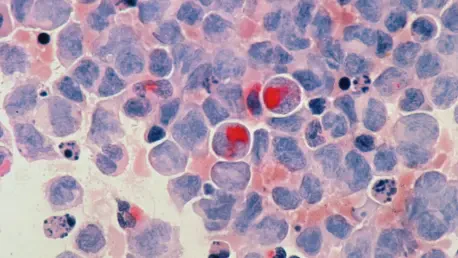
Roche's Columvi, a bispecific antibody known as glofitamab, has been approved by the European Commission (EC) for use in combination with gemcitabine and oxaliplatin (GemOx) to treat relapsed or refractory diffuse large B-cell lymphoma (DLBCL) in adults who are not candidates for autologous stem

A recent study on metastatic pancreatic adenocarcinoma (mPDAC) patients reveals significant disparities in care based on race, socioeconomic status, and other social factors, impacting the outcomes and quality of care received. The study, co-authored by Dr. Diamantis Tsilimigras and Dr. Timothy M.

Ivan Kairatov, a renowned Biopharma expert, has an impressive background in tech and innovation within the industry, as well as extensive experience in research and development. His insights into genetic factors influencing human height offer a compelling look into the intricate blueprint that

In a groundbreaking study, researchers have uncovered promising evidence suggesting that sulforaphane, a compound found in cruciferous vegetables like broccoli, can play a significant role in preventing lung cancer, particularly among former smokers. As the leading cause of cancer-related deaths,

Glioblastoma, one of the most aggressive and treatment-resistant forms of brain cancer, presents a dire prognosis even with current standard treatment regimens including surgery, radiation, and the chemotherapy drug temozolomide (TMZ). However, a groundbreaking study published in Volume 16 of