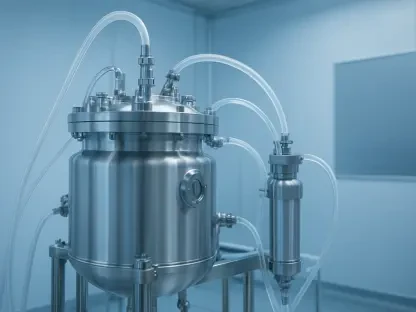
Starting with downstream process connectivity allows manufacturers to resolve purification bottlenecks without needing to alter fundamental process chemistry or regulatory filings. In the current production landscape of 2026, the biopharmaceutical sector is undergoing a necessary transformation as
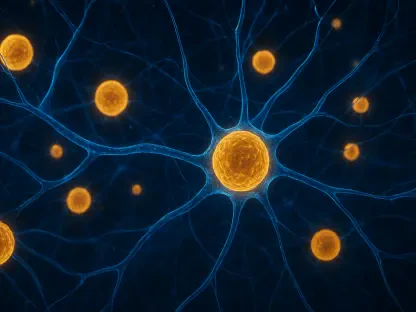
Clinical data from Phase I trials indicate that patients receiving XS411 experienced an average increase of five hours of daily functional time within six months of treatment. This significant therapeutic achievement represents a transformative shift for individuals living with Parkinson’s disease,

Mesenchymal stem cells exhibit the remarkable ability to differentiate into neurons or bone cells based solely on the mechanical stiffness of their substrate. This discovery has fundamentally altered the landscape of regenerative medicine, positioning hydrogels as more than mere structural fillers.

By utilizing a library of seven strong constitutive promoters, bioengineers identified the optimal genomic configuration to force the biosynthetic pathway to work harder. This breakthrough in metabolic engineering addresses one of the most persistent bottlenecks in the treatment of rare cancers,
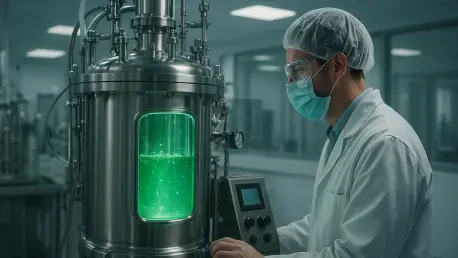
A strategic framework for Western-led stability in the biological sciences is now a matter of national security rather than just a scientific pursuit. The global economy is currently undergoing a fundamental transformation as it moves away from traditional 20th-century heavy industries toward a
Evidence from German manufacturing facilities suggests that electrification can effectively eliminate direct emissions even if it temporarily increases purchased energy figures. This shift represents a fundamental transformation in how life sciences companies approach their environmental footprint
1 2 3 4 5 6 7 8 9 10 11 12 13 14 15 16 17 18 19 20 21 22 23 24 25 26 27 28 29 30 31