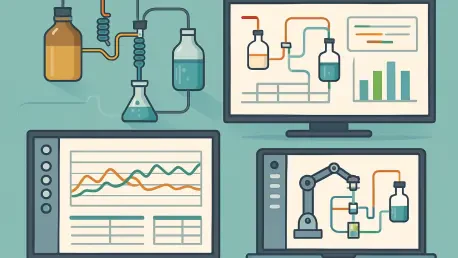
Imagine a laboratory where complex chemical reactions unfold without constant human oversight, where precision and efficiency are elevated by cutting-edge technology that anticipates and optimizes every step of the process. This vision is becoming a reality with the latest reaction automation

Diving into the intricate world of brain circuits and decision-making, we’re thrilled to speak with Ivan Kairatov, a renowned biopharma expert with a wealth of experience in research, development, and cutting-edge tech innovations. Ivan has been at the forefront of exploring how computational

In a world where healthcare demands are escalating at an unprecedented pace, Hong Kong stands at the forefront of innovation, harnessing digital technology to redefine medical services and patient care. With a rapidly aging population and increasing prevalence of chronic diseases, the city faces
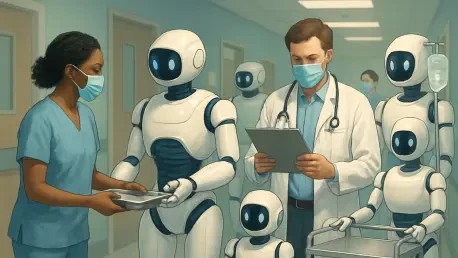
The healthcare sector stands at a critical juncture, grappling with the mounting pressures of aging populations, escalating patient numbers, and persistent shortages of medical staff, all of which threaten to undermine the quality of care in hospitals and care facilities worldwide. Amid these
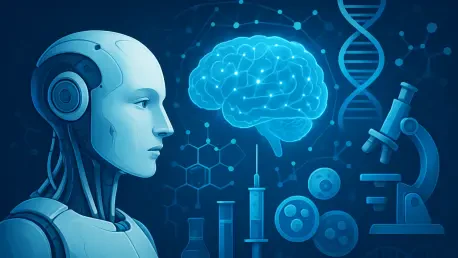
In an era where global health challenges demand unprecedented innovation, artificial intelligence (AI) stands as a beacon of hope for the life sciences industry, with 75% of CEOs prioritizing it as a top investment area according to recent industry surveys. This staggering statistic underscores a
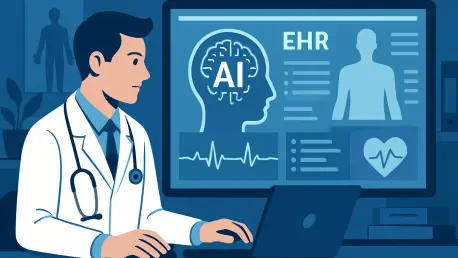
In an era where healthcare is becoming increasingly data-driven, a groundbreaking artificial intelligence system known as InfEHR (Inference on Electronic Health Records) is poised to redefine medical diagnostics with unprecedented precision. Developed through a collaboration led by researchers at