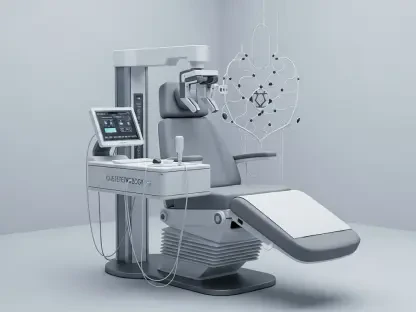

We are joined today by Ivan Kairatov, a biopharma expert with deep insights into the technological innovations shaping the future of medicine. We will be exploring the recent expansion of a groundbreaking protein discovery platform into Asia, discussing its installation at two leading Taiwanese

The world can fade to black not with a sudden closure of the eyes, but through a slow, imperceptible narrowing of one's peripheral vision that often goes unnoticed until it is far too late. This insidious process is the hallmark of glaucoma, a leading cause of irreversible blindness that affects

A comprehensive systematic review and meta-analysis led by researchers at the Icahn School of Medicine at Mount Sinai has established a significant association between exposure to per- and polyfluoroalkyl substances and an increased risk of gestational diabetes mellitus, alongside altered markers
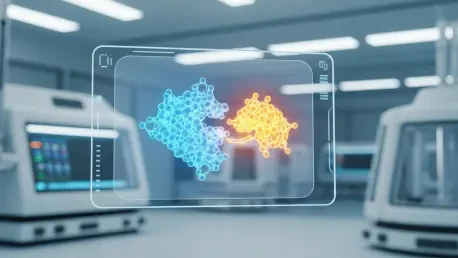
A groundbreaking discovery has unveiled a class of small molecules that effectively teach the body to eliminate its own disease-causing components, a development that could rewrite the rules for treating some of the most stubborn medical conditions. An international team of scientists has

With over two decades of research in biopharma, Ivan Kairatov has witnessed the evolution of microbiome science from a niche interest into a central player in our understanding of health. As an expert in R&D and technological innovation, he has a unique perspective on the translational gap—the

The convergence of advanced computational intelligence with molecular biology has fundamentally altered the paradigm of vaccine development, shifting it from a process of slow, empirical discovery to one of rapid, data-driven design. The application of Artificial Intelligence (AI) in this field