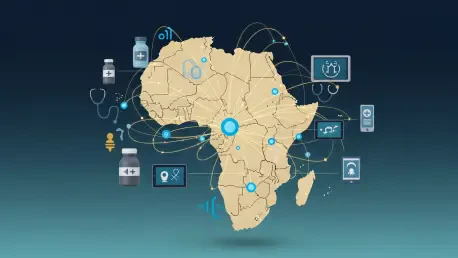

The regional landscape of healthcare across West Africa is currently undergoing a significant transformation as international partners and regional bodies collaborate to address long-standing vulnerabilities in medical infrastructure and emergency response capabilities. This recent infusion of $14.26 million into the West African Health Organization signifies a pivotal moment for the fifteen member states of the Economic Community of West African States. For decades, the region has struggled with fragmented health systems that often left rural populations underserved and urban centers overwhelmed during periods of crisis. By channeling these funds through a central regional authority, the goal is to create a more unified and resilient health architecture. This strategy recognizes that infectious diseases do not respect national borders and that a collective approach is the only way to ensure the long-term safety and prosperity of the over four hundred million people living in the sub-region today through strategic health investments and unified policy goals.
Strategic Resource Allocation: Improving Regional Medical Security
Strengthening Disease Surveillance and Early Warning Systems
The allocation of $14.26 million allows for the deployment of advanced diagnostic tools and digital monitoring platforms that are essential for early detection of potential health threats. Modern health security depends on the ability to identify pathogens before they reach epidemic proportions, which requires a robust network of laboratories equipped with the latest sequencing technologies. By integrating these systems across member states, the West African Health Organization can facilitate a rapid exchange of information, enabling countries to coordinate their responses effectively. This technological upgrade represents a shift from reactive measures to a proactive stance, where data-driven insights guide policy decisions and resource allocation. The investment also supports the digitalization of health records, making it easier for practitioners to track patient outcomes and identify emerging health trends in real time. Ultimately, this effort serves to modernize the entire public health infrastructure.
Investing in Specialized Human Capital and Training
Beyond technical infrastructure, a significant portion of the funding is dedicated to the professional development of the health workforce, which remains the backbone of any medical system. Specialized training programs are being developed to equip nurses, doctors, and lab technicians with the skills needed to manage complex health emergencies and utilize new medical technologies. These initiatives focus on areas such as infectious disease management, advanced maternal care, and the use of telemedicine to reach remote populations. By investing in the people who provide care, the West African Health Organization ensures that the physical improvements to hospitals and clinics are matched by high-quality clinical expertise. This holistic approach addresses the brain drain phenomenon by creating a more supportive and technically advanced environment for medical professionals to thrive in their home countries. Building a skilled workforce is essential for the long-term sustainability and effectiveness of these health improvements.
Long-Term Sustainability: Driving Regional Health Autonomy
Advancing Local Pharmaceutical Manufacturing and Regulation
A critical component of the current strategy involves reducing the region’s heavy reliance on imported pharmaceutical products, which has historically led to significant supply chain vulnerabilities. The $14.26 million grant supports efforts to harmonize regulatory standards across the ECOWAS region, making it easier for local manufacturers to produce and distribute medicines. By creating a unified regulatory environment, the West African Health Organization encourages private investment in state-of-the-art manufacturing facilities that can produce everything from essential antibiotics to life-saving vaccines. This shift not only secures the supply of vital medications but also stimulates economic growth by creating high-tech jobs and fostering a local research ecosystem. Moving toward self-sufficiency in medicine production is a matter of regional security, ensuring that West African nations are not left at the back of the line during global shortages. This move marks a transition toward a more autonomous health future.
Operationalizing Community Health and Preventative Care
The implementation of this multi-faceted strategy provided a roadmap for transforming the regional health landscape through targeted investments and collaborative action. Stakeholders recognized that achieving long-term health security required a commitment to both technological innovation and human-centric care. Moving forward, the focus remained on sustaining these gains by integrating new systems into national budgets and fostering continued regional cooperation. Actionable steps involved the establishment of permanent monitoring frameworks to track the progress of health indicators and ensure that resources continued to be allocated where they were most needed. Governments also prioritized the creation of public-private partnerships to maintain the momentum in local pharmaceutical manufacturing and infrastructure development. By building on the foundation laid by this financial infusion, West African nations established a more resilient and self-reliant health architecture that delivered care to all citizens.