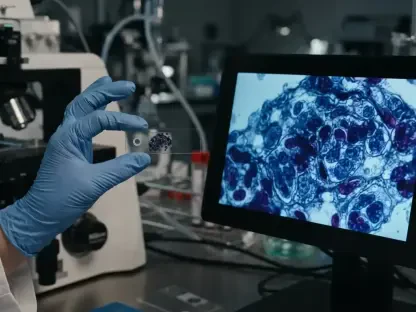

The transition from traditional, brick-and-mortar clinics to high-definition digital consultation rooms has fundamentally redefined the patient experience within the medical cannabis sector over the last few years. While the initial legalization of cannabis focused heavily on the physical cultivation and retail aspects of the industry, the actual point of access for patients has shifted toward a sophisticated, tech-driven interface that prioritizes convenience and speed. Across major international markets such as the United States, Germany, and Australia, virtual consultations have transitioned from being a temporary convenience to becoming the indispensable structural backbone of the entire industry. This digital-first approach has successfully addressed the unique challenges of a highly regulated market, proving that telemedicine is not merely a supplementary tool but the most efficient way to manage complex specialty prescriptions on a global scale. As healthcare systems continue to integrate digital health solutions, the medical cannabis industry stands as a primary example of how specialized care can be scaled without sacrificing regulatory compliance or patient safety.
The North American and European Evolution
Bridging the Regulatory Gap in the United States
The American medical cannabis market operates within a uniquely challenging environment characterized by a complex, fragmented landscape of state-level regulations that often conflict with federal guidelines. Because cannabis remains federally prohibited while being permitted for medical use in scores of individual states, both patients and healthcare providers must navigate a dense thicket of qualifying conditions, unique state registries, and varying physician licensing requirements. In this high-friction environment, traditional physical clinics often struggle to maintain profitability or provide a consistent patient experience across state lines. Telemedicine platforms emerged as a critical solution to this problem, offering a uniform digital interface that effectively bridges the gap between patient needs and the divergent legal mandates of different jurisdictions. These platforms provide the necessary digital infrastructure to ensure that a patient in Pennsylvania receives the same level of professional screening as a patient in Arkansas, despite the underlying legal differences between the two regions.
Beyond simply facilitating a video call, modern telemedicine services in the United States have taken on the role of administrative facilitators, absorbing much of the regulatory friction that previously deterred patients and physicians alike. These digital platforms manage the sophisticated backend logistics required for compliance, including the verification of state-issued identification, the secure management of medical records, and the automated routing of patients to appropriately licensed physicians within their specific residency zone. This streamlined approach has allowed the medical cannabis patient population to expand at an unprecedented rate, growing from a small niche demographic to a mainstream healthcare segment numbering in the millions. By providing a centralized hub for certification and renewals, digital providers have effectively removed the physical barriers to entry, making it possible for the industry to scale rapidly while adhering to the strict oversight mandated by state health departments and legislative bodies.
Germany’s Rapid Market Expansion
The German healthcare landscape underwent a profound transformation following the implementation of the 2024 Medical Cannabis Act, which effectively removed cannabis from the national narcotics list and reclassified it as a standard medicinal product. This legislative shift triggered a sudden and massive surge in patient demand, as physicians were finally granted the authority to prescribe cannabis with the same administrative ease as conventional pharmaceuticals. However, the existing infrastructure of traditional clinics was entirely unprepared to handle the volume of new patients seeking treatment for chronic pain, sleep disorders, and various neurological conditions. In response, digital health platforms rapidly deployed scalable telemedicine solutions that could meet this explosive demand in real-time. By the end of 2026, the German market had solidified its position as the largest medical cannabis sector outside of North America, with a total valuation approaching a billion dollars, a feat that would have been impossible without the efficiency of remote care.
The success of the German model highlights the critical role that telemedicine plays in providing equitable access to specialized care, particularly for those living in rural or underserved areas of the country. Data from leading digital providers indicates that a significant majority of patients now rely on virtual channels to connect with medical experts, bypassing the need for long-distance travel to major metropolitan centers where specialized clinics are typically located. This digital infrastructure has proven to be the only delivery method capable of keeping pace with high-speed market changes, allowing for a seamless transition from initial consultation to the delivery of prescriptions at local pharmacies. As the market continues to mature through 2027 and 2028, the reliance on telemedicine is expected to deepen, setting a precedent for other European nations that are currently considering similar legislative reforms. The German experience serves as a definitive case study in how digital health can serve as the primary engine for national market expansion in a highly regulated pharmaceutical environment.
Global Convergence and Core Success Factors
Breaking Barriers in the United Kingdom and Australia
The United Kingdom and Australia have followed remarkably similar paths in their adoption of telemedicine, despite having distinct public healthcare frameworks and historical resistance to cannabis-based therapies. In the United Kingdom, where medical cannabis was legalized years ago, initial patient growth was severely limited by restrictive National Health Service rules and a lack of awareness among general practitioners. However, the emergence of specialized private telehealth clinics has fundamentally changed this dynamic, providing a dedicated pathway for patients who were previously unable to find support through traditional channels. These private providers have utilized digital platforms to centralize medical expertise, leading to a significant increase in the volume of legal prescriptions and the importation of high-quality medicinal flower. The shift toward remote care has effectively bypassed the institutional inertia of the public system, allowing the UK patient base to grow to a critical mass that can no longer be ignored by mainstream healthcare policy.
Australia has experienced a similar trajectory, with its medicinal cannabis imports increasing nearly tenfold in recent years under the Therapeutic Goods Administration’s Special Access Scheme. The vast geographic size of the Australian continent presented a natural barrier to traditional clinic models, making telemedicine a logical and necessary choice for national distribution. By centralizing expert care through virtual platforms, providers have ensured that patients in remote mining towns or isolated coastal communities have the same access to specialist doctors as those living in Sydney or Melbourne. This convergence on the telemedicine model across different continents demonstrates that, regardless of the specific regulatory or geographic challenges, digital care is the most effective way to provide a specialized medicine to a scattered population. These nations have proven that when barriers to physical access are removed, the demand for medical cannabis remains robust, leading to a more sustainable and patient-centric industry that prioritizes clinical outcomes over physical presence.
Privacy and Specialized Medical Expertise
One of the most significant yet often overlooked drivers of the global shift toward telemedicine is the preservation of patient privacy and the mitigation of social stigma. Despite the widespread legalization and growing clinical acceptance of medical cannabis, many patients still harbor concerns about how their choice of treatment might be perceived by their local community, employers, or even other healthcare providers. Traditional clinics, which are often clearly branded as cannabis-specific facilities, can create a psychological barrier for individuals who value discretion. Telemedicine elegantly solves this problem by allowing patients to undergo their medical assessments from the privacy of their own homes. This layer of confidentiality has encouraged a broader demographic of patients, including professionals and the elderly, to explore cannabis-based therapies without the fear of being stigmatized. This shift toward private, home-based care has been essential in moving medical cannabis from the fringes of alternative medicine into the mainstream of specialty healthcare.
Furthermore, the telemedicine model is uniquely suited to address the global shortage of medical professionals who possess specialized training in cannabinoid therapy. In almost every major market, a disproportionately small number of physicians are responsible for writing the majority of cannabis prescriptions, as many general practitioners remain hesitant to participate in the program. Digital platforms allow this limited pool of experts to maximize their reach, serving an entire national patient base through a single centralized system. This concentration of expertise ensures that patients receive guidance from doctors who are deeply familiar with the latest research, dosage protocols, and potential drug interactions. As new markets begin to emerge in regions like Africa and Southeast Asia, the implementation of these digital frameworks will be vital for establishing high standards of care from the outset. By building on the lessons learned in the United States and Europe, these developing markets can avoid the logistical bottlenecks of the past and create a more resilient, expert-led distribution network through digital health.
The Future of Speciality Prescribing
The evolution of medical cannabis access was defined by a rapid and irreversible pivot toward digital health solutions that prioritized patient safety and operational efficiency. The healthcare industry recognized that the traditional model of in-person visits was no longer sufficient to meet the needs of a growing and geographically diverse patient population. Telemedicine proved to be the only viable mechanism for managing the complex interplay between medical necessity and strict legal oversight across multiple jurisdictions. The success of this digital-first approach in the United States, Germany, and the United Kingdom provided a clear blueprint for the future of specialty medicine, demonstrating that high-quality care could be delivered effectively through remote channels. As a result, the medical cannabis sector successfully established a new global standard that influenced the broader landscape of digital health and pharmaceutical distribution.
The widespread adoption of virtual consultations also highlighted the importance of privacy and specialized expertise in the delivery of modern healthcare. Patients sought out platforms that offered a secure and discreet environment for their medical evaluations, while providers benefited from the ability to centralize their most knowledgeable specialists. This shift led to a more streamlined and professionalized industry that was better equipped to handle the demands of a global market. Moving forward, the lessons learned from the medical cannabis stress test should be applied to other areas of specialty prescribing, ensuring that patients everywhere have access to the expert care they require. The integration of advanced digital tools and centralized medical networks was the definitive solution to the challenges of the past, paving the way for a more accessible and equitable healthcare future.