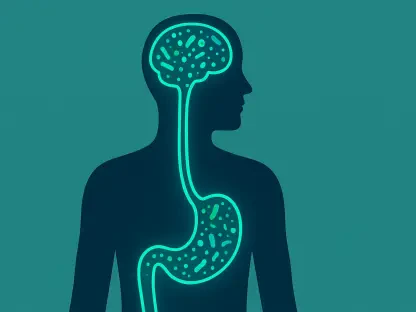

Evidence suggests that neuroinflammation in CAR T-cell patients can persist as a localized metabolic crisis even after systemic inflammatory markers in the bloodstream have been successfully reduced. This finding highlights the complex nature of Chimeric Antigen Receptor (CAR) T-cell therapy, a treatment that has transformed the landscape of hematologic oncology by re-engineering a patient’s own immune system to hunt and destroy malignant cells. While the clinical success rates for previously untreatable leukemias and lymphomas have been nothing short of miraculous, the therapy carries a heavy price for a significant portion of the patient population. The emergence of immune effector cell-associated neurotoxicity syndrome, commonly known as ICANS, remains the most daunting obstacle to the widespread adoption of these therapies. As the medical community pushes the boundaries of what cellular immunotherapy can achieve, the focus has increasingly shifted toward understanding why the brain reacts so violently to these engineered cells. Currently, the medical establishment relies heavily on high-dose corticosteroids to dampen this neurotoxic response. However, steroids are far from a perfect solution, as they act like a blunt instrument that can cause profound cognitive side effects, psychiatric disturbances, and physical debilitation, while potentially hindering the very T-cells designed to fight the cancer.
The Pathological Mechanics of Neurotoxicity
Mitochondrial Dysfunction: The Brain Under Siege
The clinical manifestation of ICANS is often unpredictable, starting with subtle linguistic slips or confusion and potentially escalating to debilitating seizures or life-threatening cerebral edema. In roughly ten percent of patients, the condition reaches a critical stage where standard interventions fail, leading to permanent neurological deficits or comatose states. Recent investigations into the cellular environment of the central nervous system during these episodes suggest that the brain undergoes a profound energy failure. When the immune system is hyper-activated, the resulting cytokine storm doesn’t just inflame the brain; it appears to disrupt the basic metabolic machinery of neurons. This disruption is increasingly linked to mitochondrial dysfunction, where the organelles responsible for producing cellular energy begin to fail under the stress of local inflammation. When these biological powerhouses stop functioning correctly, neurons lose their ability to maintain ionic balances, leading to the rapid swelling and cellular death observed in severe cases. This shift in understanding suggests that neurotoxicity is not just an immune problem, but a metabolic one that requires a more nuanced approach than simple immunosuppression.
Building on this metabolic perspective, researchers have observed that the brain’s unique environment makes it particularly susceptible to these inflammatory surges. Unlike other organs that can adapt to fluctuating nutrient levels, the brain requires a constant, high-energy supply to maintain its complex functions. During a CAR T-cell reaction, the influx of activated immune cells into the cerebrospinal fluid creates a competitive environment for resources. These aggressive immune cells consume vast amounts of glucose and oxygen, effectively starving the surrounding neurons and exacerbating the mitochondrial collapse. This localized “starvation” occurs even if the rest of the body appears to be stabilizing under steroid treatment. Because steroids primarily target the signaling pathways of inflammation rather than the metabolic consequences, they often fail to address the underlying energy crisis occurring within the blood-brain barrier. Consequently, there is an urgent need for therapeutic agents that can stabilize mitochondrial function or specifically target the metabolic pathways of the overactive immune cells without depriving the neurons of their essential nutrients.
The Role of DHODH: Fueling the Inflammatory Cascade
A key player in this metabolic struggle is an enzyme known as dihydroorotate dehydrogenase, or DHODH, which is essential for the production of pyrimidines, the building blocks of DNA and RNA. In the heat of an immune response, T-cells and other inflammatory mediators rely heavily on the de novo synthesis of these molecules to proliferate and maintain their activity. This process is incredibly energy-intensive and places a massive demand on the cellular machinery. In the context of CAR T-cell therapy, the runaway activation of the immune system leads to a hyper-metabolic state where DHODH becomes a critical bottleneck. By overproducing these genetic building blocks, the inflammatory cells are able to multiply and sustain their attack on the brain tissue, further driving the cycle of neurotoxicity. Scientists have identified that by inhibiting this specific enzyme, it might be possible to selectively “turn down the volume” on the neurotoxic response without silencing the entire immune system, providing a much more surgical approach than the broad-spectrum suppression offered by traditional medications.
The implications of DHODH overactivity extend beyond simple cell proliferation; it also influences the production of inflammatory cytokines that further breach the blood-brain barrier. When DHODH is working at full capacity, it supports a feedback loop where inflammation breeds more inflammation, leading to the metabolic exhaustion of the central nervous system. This specific pathway represents a vulnerability in the inflammatory process that can be exploited for neuroprotection. By targeting the pyrimidine synthesis pathway, clinicians could theoretically limit the expansion of the specific subsets of immune cells responsible for brain damage while allowing the primary therapeutic cells to continue their mission. This nuanced strategy addresses the localized metabolic crisis by cutting off the supply lines of the most destructive cells. Understanding this metabolic dependency has opened the door for repurposing existing drugs that are already known to interact with this pathway, offering a faster route from the laboratory to the patient’s bedside in the current clinical environment.
Leflunomide as a Therapeutic Intervention
Repurposing Drugs: The Case for Leflunomide
Leflunomide, a drug that has been a staple in the treatment of rheumatoid arthritis for decades, has recently emerged as a primary candidate for mitigating the neurotoxic effects of CAR T-cell therapy. Its mechanism of action is uniquely suited for this task, as it is a potent inhibitor of DHODH. By blocking this enzyme, leflunomide effectively restricts the availability of pyrimidines, which are crucial for the rapid expansion of the inflammatory cells that drive ICANS. Unlike many other immunomodulators, leflunomide has a long history of clinical use, providing a wealth of data on its safety profile and pharmacological behavior. This existing knowledge base is invaluable for oncologists looking to integrate the drug into complex cancer treatment protocols. Furthermore, leflunomide’s ability to modulate the immune response without causing the profound systemic exhaustion seen with other drugs makes it an attractive “steroid-sparing” agent. The goal is to utilize its specific metabolic targeting to create a safer environment for the brain while the body undergoes the rigors of cellular immunotherapy.
One of the most significant advantages of leflunomide in the context of neurotoxicity is its ability to penetrate the blood-brain barrier effectively. Many potential neuroprotective agents fail because they cannot reach the brain in therapeutic concentrations, but leflunomide and its active metabolite, teriflunomide, have demonstrated the capacity to enter the central nervous system and act directly at the site of the crisis. Once inside the brain, the drug can target the specific metabolic pathways of the infiltrating inflammatory cells that are causing the energy failure in neurons. By lowering the metabolic demand of these aggressive immune cells, leflunomide helps to restore the balance of resources within the brain, potentially preventing the mitochondrial collapse that leads to severe symptoms. This targeted action is a significant departure from the systemic “dampening” caused by steroids, offering a way to protect the most sensitive organ in the body without compromising the overall health of the patient or the success of the primary cancer treatment.
Balancing Act: Protecting the Brain while Killing Cancer
A major concern when introducing any immunosuppressive agent during CAR T-cell therapy is the potential for “killing the cure.” Doctors must ensure that while they are protecting the brain from ICANS, they are not also stopping the CAR T-cells from doing their job of eliminating the patient’s cancer. This delicate balance is where the selective nature of leflunomide’s DHODH inhibition becomes particularly useful. Research suggests that different populations of T-cells have varying levels of dependency on the de novo pyrimidine synthesis pathway. Interestingly, the pathological inflammatory cells that cause neurotoxicity seem to be more dependent on this pathway than the engineered CAR T-cells are for their basic anti-tumor functions. This suggests a therapeutic window where leflunomide can be administered at doses that suppress the neurotoxic response without significantly hindering the therapeutic efficacy of the treatment. This selectivity is the holy grail of neuro-oncology, providing a way to manage side effects without sacrificing the patient’s chance at a long-term cure.
Current laboratory data and early-stage clinical observations in this year have shown promising results regarding this selective inhibition. In models where leflunomide was added to the treatment regimen, the level of neuroinflammatory markers in the brain significantly decreased, yet the CAR T-cells remained active and continued to reduce tumor burden. This suggests that the metabolic requirements for “killing a tumor” may be distinct from the requirements for “causing a cytokine storm in the brain.” By exploiting these subtle differences in cellular behavior, leflunomide acts as a precision tool that refines the immune response. This approach allows clinicians to maintain a high therapeutic index, pushing the dosage of CAR T-cells to maximize cancer clearance while using leflunomide as a safety net for the central nervous system. As the field moves toward more personalized medicine, the ability to fine-tune the immune system’s activity in real-time will be essential for treating the most aggressive forms of blood cancer safely and effectively.
Clinical Integration and Future Directions
Clinical Adoption: Strategies for Implementation
Integrating leflunomide into the standard of care for CAR T-cell patients requires a systematic approach to monitoring and dosage. Because the onset of ICANS can be rapid, the timing of leflunomide administration is a critical factor for success. Some researchers are exploring a prophylactic approach, where the drug is given at the start of the therapy to prevent the metabolic crisis from ever occurring. Others favor a reactive strategy, using leflunomide as a first-line treatment as soon as the earliest signs of neurotoxicity appear. Each approach has its merits, but the overarching goal remains the same: to minimize the duration and severity of the brain’s inflammatory state. To facilitate this, hospitals are developing new protocols that combine traditional neurological assessments, like the ICE (Immune Effector Cell-Associated Encephalopathy) score, with metabolic monitoring of the cerebrospinal fluid. This multi-modal approach ensures that any sign of energy failure in the brain is met with a targeted intervention, reducing the reliance on high-dose steroids and improving the overall recovery trajectory for patients.
The transition from academic discovery to bedside application also involves addressing the logistical hurdles of drug interactions and patient-specific variables. Since leflunomide is metabolized by the liver, clinicians must carefully consider the hepatic health of cancer patients who may have already undergone multiple rounds of intensive chemotherapy. However, the potential benefits of reducing steroid use—such as lower risks of secondary infections and better preservation of muscle mass—make this a high-priority area for clinical development. Ongoing trials are currently gathering data on the optimal dosing schedules that provide maximum neuroprotection with minimal systemic interference. As this data matures, leflunomide is likely to become a cornerstone of a more sophisticated “neuro-protective cocktail” administered alongside cellular therapies. This evolution in treatment protocols reflects a broader shift in oncology toward managing the whole patient, ensuring that the brain is shielded from the collateral damage of the war on cancer.
The Next Frontier: Shaping the Future of Neuro-Oncology
The successful application of leflunomide in protecting the brain during CAR T-cell therapy has established a new paradigm for managing neuroinflammation across the medical field. Researchers looked beyond the simple suppression of the immune system and instead focused on the underlying metabolic drivers of cellular dysfunction. This shift in perspective allowed for the identification of DHODH as a critical target, leading to the repurposing of a well-known drug for a modern and highly complex problem. By addressing the localized metabolic crisis in the brain, the medical community provided a pathway for safer and more effective cancer treatments. This methodology demonstrated that the most effective way to manage the side effects of advanced therapies was often found in the deep understanding of cellular energetics and resource allocation. The lessons learned from these investigations had profound implications, suggesting that similar metabolic interventions could be used to treat other neuroinflammatory conditions, from autoimmune diseases to traumatic brain injuries.
As the medical establishment moved forward, the integration of leflunomide into clinical protocols served as a blueprint for precision neuro-oncology. Healthcare providers shifted their focus toward “steroid-sparing” strategies that prioritized the long-term cognitive health of survivors. This transition involved the development of more sensitive diagnostic tools that identified patients at high risk for metabolic failure before symptoms became severe. The move toward metabolic modulation ensured that the revolutionary potential of CAR T-cell therapy was not limited by its toxicity, but rather enhanced by a sophisticated safety profile. By successfully shielding the brain, clinicians expanded the eligibility for these life-saving treatments to a broader range of patients, including those who were previously considered too fragile for the risks associated with ICANS. This holistic approach to cellular therapy ensured that the victory over cancer was not achieved at the expense of the patient’s neurological integrity, marking a significant milestone in the evolution of modern medicine.