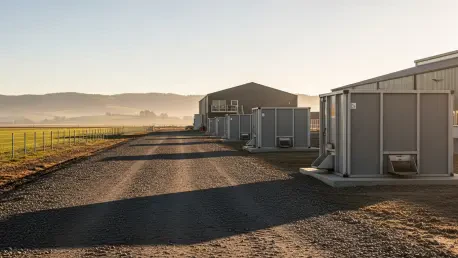

The sudden surge in avian influenza cases across the Australian coastline has prompted federal authorities to implement a rigorous bio-containment strategy involving specialized disposal units designed to prevent the further spread of highly pathogenic strains among local wildlife and domestic poultry populations. This initiative represents a critical shift in how the nation addresses ecological threats, moving from reactive culling to a proactive, infrastructure-based containment model. By deploying these dedicated bins, the government aims to centralize the collection of deceased birds, thereby minimizing the risk of secondary infections that occur when scavengers interact with infected remains. Officials have identified high-risk zones where migratory patterns align with commercial farming areas, ensuring that these disposal systems are positioned where they are most needed. The program also integrates digital tracking to monitor the volume of carcasses collected, providing real-time data for epidemiological modeling and resource allocation in real time.
1. Strategic Infrastructure: Logistics and Containment
Developing a nationwide network for the disposal of biological waste requires a deep understanding of migratory corridors and the specific behaviors of vulnerable avian species. The planning phase for this bin deployment involves mapping the movement of shorebirds and waterfowl that frequently transition between coastal wetlands and inland waterways. Each unit is strategically placed at access points where public interaction with wildlife is frequent, such as popular beaches and nature reserves, to discourage the manual handling of dead animals by untrained civilians. Furthermore, the logistical chain includes a fleet of specialized vehicles equipped with air filtration systems to transport the contents from the bins to high-heat incineration facilities. This end-to-end approach ensures that pathogens are neutralized before they can enter the soil or groundwater, maintaining the integrity of the surrounding ecosystem by preventing cross-contamination in transit.
Beyond the physical placement of bins, the initiative incorporates a sophisticated communication network that links local councils with federal biosecurity agencies to facilitate a unified response. This coordination is essential because bird flu often crosses state borders without warning, necessitating a rapid response that can adapt to the shifting geography of an outbreak. The bins serve as visible reminders of the ongoing threat, prompting citizens to report unusual sightings of mass mortality events through a dedicated mobile application connected to the containment grid. By streamlining the reporting and disposal process, the government reduces the time infected carcasses remain in the environment, which is the primary driver of viral persistence in the wild. This integrated system not only protects the commercial interests of the poultry industry but also safeguards the biodiversity of Australia’s unique fauna, setting the stage for the rigorous technical standards applied to the bin designs.
2. Engineering Standards: Environmental Safety Protocols
The engineering specifications for the bird flu disposal units emphasize extreme durability and bio-exclusion to prevent any accidental leakage of contaminated fluids into the environment. Engineers have utilized high-density polyethylene materials that are resistant to corrosive disinfectants and harsh ultraviolet radiation typical of the Australian climate. Each bin features a dual-seal lid mechanism that creates an airtight environment, preventing flies and other insect vectors from accessing the carcasses and potentially spreading the virus further. Additionally, the interior surfaces are coated with an antimicrobial layer that inhibits the growth of bacteria while the biological material awaits collection, reducing odors and the risk of airborne pathogens during the emptying process. These technical specifications are tailored to withstand high temperatures, ensuring that the structural integrity of the containment system remains uncompromised even during peak summer months when viral decay rates are traditionally much higher.
The successful deployment of these specialized disposal units established a new benchmark for proactive biosecurity management in the face of evolving ecological crises. Government agencies collaborated with environmental scientists to ensure that the disposal protocols remained aligned with the latest virological research and community safety standards. This initiative fostered a culture of vigilance, where the rapid removal of biological threats became a standardized procedure rather than an emergency measure. Stakeholders recognized that investing in permanent infrastructure reduced the long-term economic burden associated with massive poultry culls and international trade restrictions. Ultimately, the program provided a clear roadmap for other nations facing similar zoonotic threats, demonstrating that technical innovation and strategic planning are the most effective tools for maintaining public health. The focus then shifted toward expanding these networks to cover remote areas and integrating satellite imagery to predict future outbreaks with higher precision.