
Global chocolate consumption continues to surge toward a projected market value of nearly thirty-eight billion dollars by 2029, even as traditional cacao farming faces an existential threat from climate instability and ethical controversies. This widening gap between demand and sustainable supply has catalyzed a groundbreaking collaboration between the University of California, Davis, and the food-technology startup California Cultured. Researchers are working to revolutionize the industry by bypassing the soil entirely and utilizing laboratory-grown cells to produce a chemically identical product. As the primary growing regions in West Africa struggle with extreme weather patterns that could decimate half of the suitable land within the next few decades, the necessity for a reliable, tech-driven alternative has moved from a theoretical concept to a commercial imperative. This initiative seeks to provide a resilient solution that maintains the flavor profile and nutritional value of traditional chocolate while eliminating the volatility inherent in conventional agricultural systems.
Navigating the Environmental and Ethical Challenges of Cocoa
Climate Volatility: The Threat to Primary Production Hubs
The agricultural stability of the Ivory Coast, which serves as the world’s leading source of cocoa, is currently undergoing a period of profound environmental collapse that threatens the global supply chain. Erratic rainfall, unprecedented heatwaves, and prolonged droughts have created a hostile environment for the sensitive cacao tree, which requires specific humidity and temperature ranges to thrive. Projections indicate that if current trends persist, approximately fifty percent of the land presently dedicated to cacao cultivation will become biologically unsuitable for the crop before the middle of the century. This potential loss of habitat is compounded by the increasing frequency of pests and diseases that thrive in warmer climates, further depressing yields and driving up market prices for consumers worldwide. By moving production into controlled bioreactors, scientists can effectively insulate the cocoa supply from these external environmental pressures, ensuring a consistent output regardless of the weather conditions in West Africa.
Ethical Sustainability: Resource Efficiency and Transparency
Beyond the immediate environmental threats, the traditional cocoa industry is heavily scrutinized for its historical reliance on problematic labor practices and its significant contribution to global deforestation. Efforts to certify crops as sustainable or ethical often fall short due to the complexity of global supply chains and the economic desperation of smallholder farmers who lack alternative livelihoods. Cultured chocolate offers a definitive solution to these systemic issues by establishing a production model that is entirely decoupled from the land and manual harvesting. This method utilizes plant cell suspension culture to grow only the edible portions of the plant, which eliminates the biological waste associated with roots, stems, and leaves that characterize field-grown crops. Because the process occurs in a sterile, dark environment, it also avoids the need for chemical pesticides and heavy metal contamination, resulting in a cleaner and more transparent product that aligns with modern consumer expectations for both ethical and environmental responsibility.
Advancing the Science of Cellular Agriculture
Industrial Optimization: Engineering Efficiency in Bioreactor Design
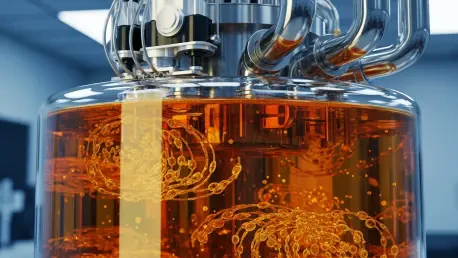
The primary challenge in transitioning lab-grown chocolate from a scientific curiosity to a retail reality lies in the economic and mechanical optimization of bioreactor systems. Historically, the high operational costs associated with pharmaceutical-grade equipment have prevented cellular agriculture from reaching price parity with conventional farming methods. To bridge this gap, UC Davis researchers are working alongside industrial engineers to refine the geometries and sterilization protocols of large-scale bioreactors. By developing specialized prototype designs that improve oxygen transfer and nutrient distribution within the liquid growth media, the team aims to maximize cell density and growth rates. These food-safe media, which consist of a precise balance of sucrose, vitamins, salts, and plant hormones, are being fine-tuned to ensure that the cells remain in a dedifferentiated state, allowing them to multiply rapidly. This focus on engineering efficiency is critical for scaling the technology to meet global demand while keeping the final product affordable for the average consumer.
Strategic Implementation: Future Global Food Platforms
The successful demonstration of large-scale 1600-liter bioreactors marks a pivotal milestone in the evolution of what researchers call the cellular foods platform. Supported by strategic grants from the National Science Foundation and BioMADE, California Cultured positioned itself to begin the commercial production of cocoa powder by early 2027. This progress suggested that the infrastructure being developed for chocolate could soon be adapted for other high-demand agricultural products like coffee, berries, and alternative proteins. These commodities often faced similar environmental and ethical hurdles, making them prime candidates for laboratory-based cultivation that preserved their complex chemical identities. As this technology matured, it was observed that the reliance on traditional soil-based farming for high-value specialty crops started to diminish in favor of localized, bioreactor-based hubs. This shift represented a broader movement toward food security, where essential ingredients were produced closer to urban centers, drastically reducing the carbon footprint associated with international logistics and long-range shipping.