
The global biopharmaceutical landscape is currently undergoing a transformative phase where the demand for precision-engineered therapeutic proteins and complex cellular products has outpaced the capabilities of traditional fermentation systems. This shift is most evident in the rapid adoption of airlift bioreactors, which utilize sophisticated pneumatic mixing mechanisms rather than the mechanical agitation found in legacy equipment. By eliminating the need for physical impellers, these systems create a highly controlled, low-shear environment that is essential for the cultivation of fragile mammalian and plant cells. Industry projections indicate a substantial surge in investment, with the market expected to expand from approximately $2.96 billion in 2025 to a staggering $8.20 billion by 2035. This growth represents a compound annual growth rate of 10.7%, driven largely by the pharmaceutical sector’s urgent need to scale up the production of monoclonal antibodies, advanced vaccines, and recombinant proteins. As global healthcare providers increasingly rely on these biologics to treat chronic conditions, the efficiency and scalability of airlift technology have moved to the center of modern industrial biotechnology discussions.
Engineering Excellence: The Shift Toward Pneumatic Circulation
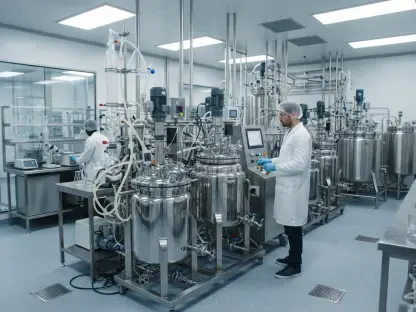
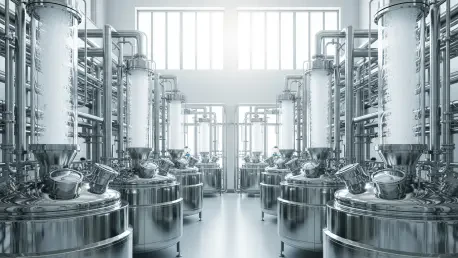
Conventional stirred-tank reactors have long been the workhorses of the biotech industry, but their reliance on mechanical blades often results in shear stress that can compromise the viability of sensitive cell lines. Airlift bioreactors address this fundamental limitation by employing a simple yet highly effective draft tube design that facilitates circulation through the injection of compressed gas at the base of the vessel. As air or specialized gas mixtures rise through the riser section, they create a density gradient that drives the fluid back down through the downcomer, ensuring a continuous and gentle mixing cycle. This pneumatic approach not only protects the structural integrity of cells but also significantly enhances gas-liquid mass transfer, which is critical for providing the oxygen levels required by high-density cultures. Furthermore, the absence of moving parts like shafts and seals reduces the likelihood of mechanical failure and simplifies the process of maintaining a sterile environment, making these systems highly attractive for long-duration fermentation processes where any breach in containment could lead to catastrophic product loss.
Beyond the immediate biological benefits, the design of modern airlift systems offers substantial operational advantages that contribute to their rising popularity in commercial manufacturing. Because these vessels rely on natural convection and gas expansion to move the culture medium, they typically consume significantly less energy than traditional mechanical systems of a similar scale. This energy efficiency aligns with the broader industry movement toward sustainable manufacturing practices and reduced carbon footprints. Engineers have also refined the internal geometries of these bioreactors to ensure uniform nutrient distribution, preventing the formation of stagnant zones that can lead to localized nutrient depletion or toxic byproduct accumulation. These technical refinements allow for more predictable scale-up from laboratory settings to industrial production, as the hydrodynamic characteristics of airlift systems remain more consistent across different vessel sizes. Consequently, biotech firms can achieve higher yields of therapeutic compounds while maintaining the strict quality standards required by regulatory bodies like the FDA and EMA.
Therapeutic Expansion: Meeting the Surge in Biologics Demand
The global rise in chronic health conditions, including various forms of cancer and autoimmune diseases, has catalyzed a massive expansion in the biologics sector, necessitating more advanced production tools. As pharmaceutical companies transition from traditional small-molecule drugs to more complex large-molecule biologics, the precision offered by airlift bioreactors has become an indispensable asset. These systems are particularly well-suited for producing monoclonal antibodies, which require precise environmental controls to ensure correct protein folding and glycosylation patterns. Without the gentle mixing provided by pneumatic systems, these high-value molecules could be damaged or rendered ineffective during the production phase. Moreover, the increasing availability of biosimilars—lower-cost versions of off-patent biologics—has further expanded the market for bioreactor infrastructure. Manufacturers of biosimilars must replicate the efficacy of the original drug while maintaining low production costs, a dual challenge that makes the reliable and efficient performance of airlift technology a strategic priority for companies looking to compete in this high-growth segment of the pharmaceutical industry.
In addition to routine therapeutic production, the role of airlift bioreactors in global health security has become more prominent following recent public health challenges that highlighted the need for rapid vaccine deployment. These systems are exceptionally capable of handling the cultivation of viral vectors and mRNA components that form the backbone of modern immunization strategies. The ability to scale production quickly without sacrificing product consistency is a hallmark of airlift technology, allowing manufacturers to meet the sudden spikes in demand that occur during pandemic events. Governments and international health organizations are increasingly investing in modular manufacturing hubs that utilize these reactors to ensure local self-sufficiency in vaccine production. This shift toward decentralized, high-tech manufacturing facilities is not only a response to immediate crises but also a long-term strategy to prepare for future biological threats. By providing a stable and scalable platform for a wide variety of therapeutic applications, airlift bioreactors are cementing their status as a cornerstone of the modern biopharmaceutical supply chain, ensuring that life-saving treatments reach patients more efficiently.
Innovation in Motion: The Rise of Single-Use Systems
One of the most significant shifts in the bioreactor market is the transition from permanent, stainless-steel installations to single-use technologies. While large-scale steel vessels were once the industry standard, they required extensive cleaning and sterilization procedures that were both time-consuming and resource-intensive. In contrast, single-use airlift bioreactors utilize disposable plastic liners and pre-sterilized components that can be discarded after a single production run. This approach virtually eliminates the risk of cross-contamination between different batches, which is a critical consideration for facilities that produce multiple types of drugs on the same line. The reduction in cleaning requirements also leads to a significant decrease in water and chemical usage, further enhancing the sustainability profile of the manufacturing process. For contract development and manufacturing organizations, the agility provided by single-use systems is a major competitive advantage, as it allows them to switch between different projects and cell lines with minimal downtime, effectively increasing the overall throughput of their facilities.
The economic benefits of adopting single-use airlift systems are becoming increasingly clear to both established pharmaceutical giants and emerging biotech startups. By eliminating the need for expensive stainless-steel infrastructure and the complex plumbing associated with traditional cleaning systems, companies can reduce their initial capital expenditure by a substantial margin. This lower barrier to entry has allowed smaller research firms to bring their innovations to the manufacturing stage more quickly, fostering a more diverse and competitive market landscape. Furthermore, the modular nature of single-use components allows for more flexible facility designs that can be easily expanded or reconfigured as production needs evolve. While the cost of consumables can be higher over the long term, many manufacturers find that the savings in labor, energy, and validation time more than compensate for the ongoing expense of plastic liners. As the materials used in these disposable systems continue to improve in terms of durability and biocompatibility, the industry is likely to see an even greater percentage of production capacity shifting toward this versatile and efficient manufacturing model.
Future-Proofing Production: Integration of AI and Automation
As the biotech industry moves toward a more data-driven future, the integration of artificial intelligence and advanced automation into airlift bioreactor systems is becoming a top priority for manufacturers. Modern bioreactors are now frequently equipped with an array of sophisticated sensors that provide real-time data on critical parameters such as pH levels, dissolved oxygen, and nutrient concentrations. Machine learning algorithms can analyze this data to predict the optimal time for harvesting or to adjust the gas flow rates automatically, ensuring that the culture remains in peak condition throughout its growth cycle. This level of oversight reduces the reliance on manual intervention and minimizes the potential for human error, which is often the primary cause of batch failure. Furthermore, AI-driven process optimization can significantly improve the total yield of a production run by fine-tuning the environmental conditions to the specific needs of a particular cell line. These smart systems also facilitate more robust regulatory compliance, as the detailed digital logs generated during the process provide an immutable record of every variable, simplifying the auditing process for health authorities.
The field of regenerative medicine, including cell and gene therapies, represents another high-growth area where automated airlift systems have become essential. These therapies involve manipulating sensitive human cells that are notoriously difficult to cultivate in high volumes due to their extreme sensitivity to environmental fluctuations. Because automated airlift systems offer such a stable and low-impact environment, they have become the preferred choice for developers working on these cutting-edge treatments. By removing the variability associated with manual sampling and adjustment, automation ensures that each batch of cells meets the rigorous potency and purity standards required for clinical use. As these therapies move from niche applications to mainstream medical practice, the demand for highly automated, large-scale airlift systems is expected to surge. This trend is pushing equipment manufacturers to develop more integrated “plug-and-play” solutions that can be easily incorporated into existing laboratory information management systems, further streamlining the path from clinical development to commercial-scale manufacturing.
Strategic Evolution: Navigating the Global Biotech Landscape
Stakeholders in the biotechnology sector recognized that the transition to airlift bioreactor technology represented a critical opportunity to modernize production pipelines and improve patient outcomes. Companies focused on the strategic integration of single-use systems to enhance operational flexibility and reduce contamination risks, while simultaneously investing in digital monitoring tools to maximize yields through real-time data analysis. As the market moved toward its 2035 valuation of $8.20 billion, successful organizations were those that prioritized the adoption of low-shear, pneumatic systems to accommodate the next generation of sensitive cell-based therapies. These firms realized that the efficiency gains from pneumatic circulation outweighed the initial costs of upgrading legacy equipment. By aligning technical infrastructure with the growing global demand for biologics and personalized medicine, the industry secured a more resilient and efficient future for global therapeutic production. This proactive approach allowed manufacturers to bypass the limitations of mechanical systems and establish a more robust foundation for the large-scale cultivation of complex biological products.
Moving forward, it was essential for manufacturers to foster a workforce capable of managing these automated platforms and to stay abreast of the shifting regulatory landscape in emerging biotech hubs. The Asia-Pacific region emerged as a dominant force, with countries like China and India investing heavily in local infrastructure and specialized engineering talent. This shift necessitated a more globalized perspective on supply chain management and technical support, as manufacturers sought to maintain consistency across geographically dispersed facilities. Organizations that embraced standardized digital frameworks and modular reactor designs found it much easier to replicate their successes in different markets. Ultimately, the industry moved away from fragmented, manual processes toward a unified, data-driven manufacturing paradigm. This evolution not only reduced the time required to bring new treatments to market but also ensured that the high standards of safety and efficacy were maintained across all stages of production. Through these concerted efforts, the biopharmaceutical industry successfully addressed the challenges of modern medicine and laid the groundwork for sustained growth in the coming decades.