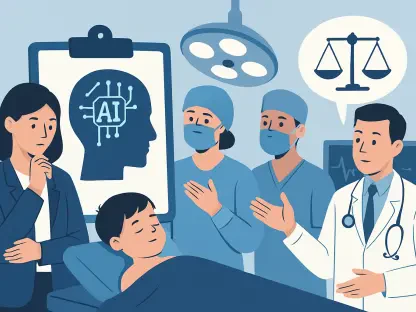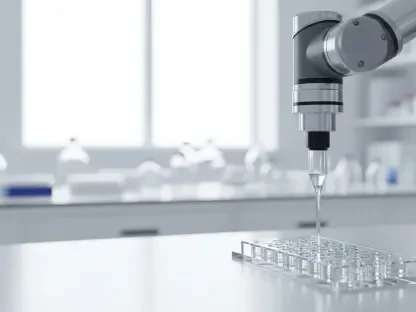
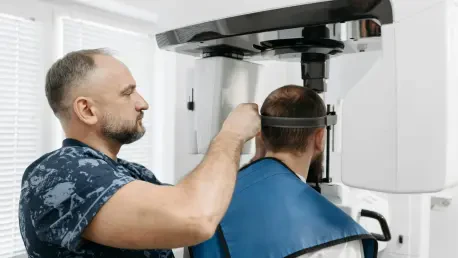
Artificial Intelligence (AI) has swiftly transitioned from speculative technology to a cornerstone of modern medical diagnostics, heralding a new era of healthcare innovation. As AI technologies integrate deeper into clinical settings, they are transforming the landscape of diagnostics by improving

Breast cancer remains a critical health concern, affecting approximately one in eight women during their lifetime. Despite significant progress in diagnostic and treatment modalities, discrepancies in outcomes persist, often exacerbated by racial and ethnic differences. Recent developments in

In a landscape where healthcare is increasingly seeking precision and personalization, Parkview Health stands at the forefront of this transformative wave. Precision health, an approach that tailors healthcare solutions to an individual's genetic, environmental, and lifestyle context, is gaining

In a world where technological innovation constantly breaks boundaries and challenges norms, the development of infrared contact lenses boldly enters the arena with science fiction-like ingenuity. Scientists have engineered lenses that convert invisible infrared light into visible spectra, breaking

In a groundbreaking endeavor to revolutionize cancer treatment, the University of California San Diego has embarked on a six-year initiative funded by a substantial contract awarded by the Advanced Research Projects Agency for Health (ARPA-H). This ambitious project, named "Dynamic Digital Tumors

The telehealth sector is witnessing a transformative phase marked by regulatory changes and shifting market dynamics, especially in the realm of compounded medications. Among the most pressing developments is the conclusion of the U.S. Food and Drug Administration's (FDA) 90-day offramp period,