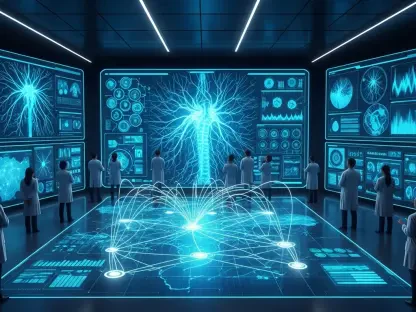
In the intricate world of medical imaging, the human eye, despite its remarkable capabilities and years of training, is not infallible, and a single, overlooked shadow on a brain scan can have profound consequences for a patient's diagnosis and treatment path. The immense pressure on radiologists
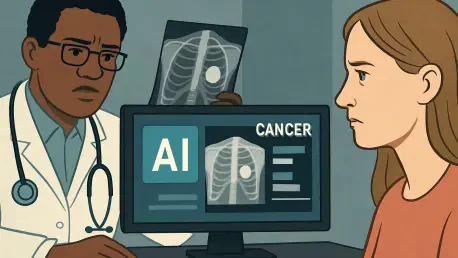
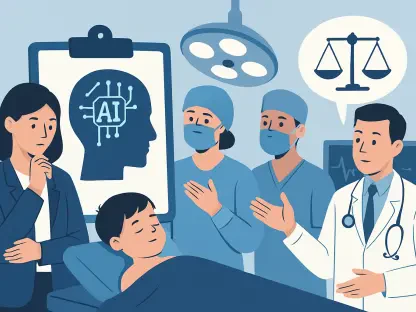
The intersection of artificial intelligence and medicine promises a future of unprecedented diagnostic precision. Yet, as these powerful tools are integrated into clinical practice, they bring with them the hidden risk of inheriting and amplifying human biases. We sat down with Ivan Kairatov, a
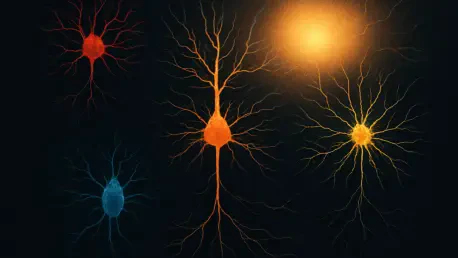
The human mind performs a constant, silent miracle of selection, effortlessly plucking a single voice from a cacophony of conversation or spotting a friend’s face in a bustling crowd, all without so much as a flicker of the eyes. This profound ability, known as covert attention, allows us to
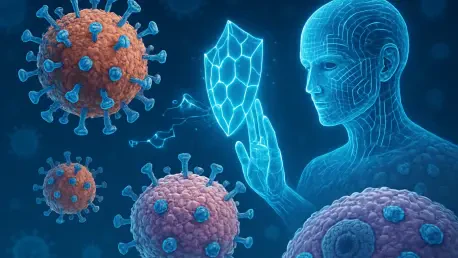
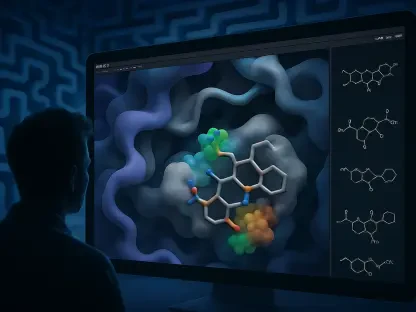
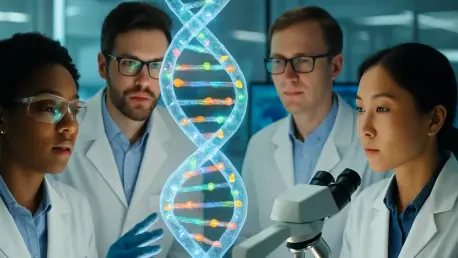
A sophisticated new strategy merging artificial intelligence with experimental biology has successfully identified and neutralized a key mechanism viruses use to invade human cells, a development that could revolutionize antiviral drug design. Researchers at Washington State University have

The shadow of a dementia diagnosis often looms large, especially for those with a family history, creating a sense of genetic inevitability that can be both frightening and disempowering. However, groundbreaking research from UC San Francisco is challenging this deterministic view, suggesting that
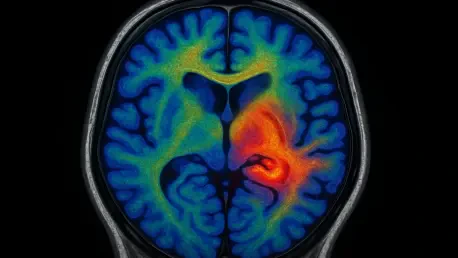
The invisible wounds of trauma have long presented a formidable challenge for modern medicine, particularly in the diagnosis of Post-Traumatic Stress Disorder, a condition historically reliant on the subjective and often fluctuating self-reports of patients. For the approximately 23% of 9/11 World