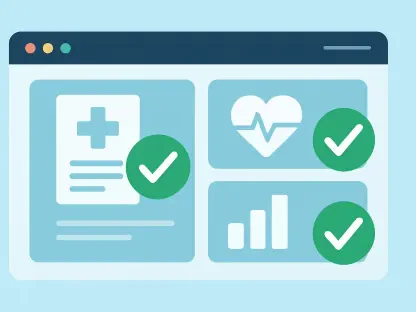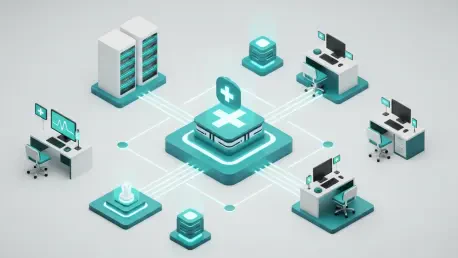

The modern clinical landscape has reached a point where the distinction between receiving medical treatment and participating in scientific advancement is effectively disappearing. This shift marks a departure from the antiquated model where hospitals operated purely as centers for symptom management, instead evolving into highly sophisticated hubs where every patient interaction provides data points that refine the global understanding of disease. By integrating deep genetic insights with longitudinal clinical data, healthcare providers are now able to offer interventions that are statistically calibrated to an individual’s unique biological makeup. This transformation is driven by the realization that administrative efficiency and medical innovation are not competing interests but are rather two sides of the same coin in a high-performing healthcare ecosystem. As digital technologies and artificial intelligence become the backbone of these institutions, the barriers that once separated the research laboratory from the patient bedside have finally dissolved, allowing for a more responsive and personalized approach to human wellness.
The core of this evolution lies in the dual progression of clinical research and genomics, two fields that are increasingly functioning as a singular unit within the medical infrastructure. While clinical research traditionally focused on evaluating the safety and efficacy of new therapies in controlled environments, the current era emphasizes real-world evidence gathered through daily medical practice. Genomics, meanwhile, has transitioned from a specialized diagnostic tool to a foundational element of a patient’s permanent health record, providing a map of genetic vulnerabilities and strengths that inform every care decision. When these elements are harmonized through the principles of precision medicine, the result is a system that moves away from the “one-size-fits-all” mentality. This proactive approach allows clinicians to anticipate complications before they occur, tailoring treatments based on a sophisticated understanding of genetics, lifestyle, and environmental factors. Consequently, the healthcare experience is becoming more targeted, reducing the trial-and-error nature of traditional prescribing and ensuring that interventions are both effective and safe.
The Integration Strategy: Research as a Standard of Clinical Practice
The paradigm shift toward “embedded protocols” has fundamentally altered how clinical research is conducted, moving it from the periphery of medicine directly into the core of daily operations. Historically, research was viewed as an additive burden that required separate staff, isolated databases, and redundant documentation processes which frequently led to administrative friction and clinician exhaustion. Today, the consensus among leading health systems is that research must be an invisible layer within the enterprise Electronic Medical Record (EMR) systems. By weaving research requirements into existing workflows, organizations are capturing high-quality data without requiring physicians to deviate from their primary task of patient care. This synchronization ensures that the information gathered is both accurate and reflective of diverse patient populations, providing a more comprehensive view of how therapies perform in the real world rather than just in idealized trial settings.
Furthermore, this integration has solved the perennial challenge of patient recruitment, which was once the most significant bottleneck in bringing new treatments to the market. In previous years, finding eligible participants for a clinical trial was a manual and often biased process that relied on the memory of specific providers or expensive outreach campaigns. Today, automated screening tools built into the EMR architecture analyze patient data in real-time, identifying potential candidates during their routine appointments. This systematic evaluation ensures that every individual who meets the scientific criteria is given the opportunity to participate, regardless of their location or socioeconomic background. This inclusivity has a profound impact on the validity of medical findings, as the resulting data sets now represent a much wider demographic spectrum. This shift eliminates the need for researchers to generalize findings from narrow groups, leading to the development of treatment guidelines that are more robust and universally applicable across the entire population.
Beyond the scientific advantages, the repositioning of clinical research as a strategic financial asset has provided much-needed stability to the broader healthcare economy. Large-scale health systems have demonstrated that research revenue can effectively hedge against the rising costs of labor and the diminishing margins in traditional inpatient care. Even regional medical centers are finding success by utilizing precision medicine tools to skyrocket their clinical trial referral rates, keeping patients within their local care networks while gaining access to cutting-edge therapies. This model creates a self-sustaining cycle where innovation funds the infrastructure required to deliver better care, which in turn attracts more research investment. By viewing clinical research as a core business function rather than a charity or a side project, health systems are building the long-term institutional resilience needed to navigate a complex and volatile economic environment.
Genomic Implementation: From Specialized Diagnostics to Preventive Foundations
Genomics has officially transcended its role as an experimental or secondary diagnostic tool to become the bedrock upon which preventive medicine is constructed. Precision medicine now leverages a combination of genetic sequencing, clinical history, and lifestyle data to guide healthcare decisions across a variety of specialties, including oncology, psychiatry, and chronic disease management. The ability to identify specific genetic markers allows clinicians to match patients with therapies that are most likely to work for their specific biological profile, which significantly decreases the incidence of adverse drug reactions. This shift represents a transition from a reactive model, where doctors wait for symptoms to appear before acting, to a predictive model where potential health risks are identified and mitigated years before they manifest into serious conditions.
This new reality is supported by the massive genomic datasets that have been compiled through global initiatives over the last several years. Programs such as the UK Biobank and the “All of Us” Research Program in the United States have established vast libraries of genetic information linked to long-term health outcomes for millions of participants. These repositories allow researchers to identify the underlying genetic roots of complex chronic diseases, which was previously impossible with smaller, more localized data sets. By studying the interactions between specific genes and environmental factors on such a large scale, the medical community has developed a more nuanced understanding of disease progression. These insights are now being funneled back into the clinic, where they serve as a reference point for primary care physicians who are tasked with managing the long-term health of their patient populations.
Despite these advancements, the industry continues to work toward closing the “implementation gap” that exists between the laboratory and the exam room. While the technical ability to sequence a genome has become significantly more affordable, the infrastructure required to interpret that data and make it clinically actionable remains a significant investment. Many organizations are still grappling with the challenge of returning genomic results to patients in a way that is both understandable and useful for their ongoing care. To address this, many health systems are adopting specialized digital pipelines that bridge the gap between complex genetic bioinformatics and the standard user interface of the EMR. By automating the interpretation of genetic variants, these systems allow non-genetics specialists, such as family doctors, to use genomic insights during a standard fifteen-minute office visit. This accessibility is crucial for moving genomics from a niche specialty into the mainstream of everyday medicine.
Economic Value: Quantifying the Long-Term Impact of Connected Genomics
The transition toward “connected genomics” is redefining how the healthcare industry evaluates the return on investment for high-tech medical interventions. Rather than looking at the cost of a genetic test in isolation, stakeholders are now analyzing the “whole system benefits” that genomic integration provides over a patient’s lifetime. This broader economic perspective considers how precision medicine reduces the need for repeated hospitalizations, prevents the progression of chronic illnesses, and avoids the high costs of ineffective treatments. When evaluated through this lens, the initial expenditure on genomic sequencing and data infrastructure is revealed to be a highly efficient way to manage long-term healthcare spending. This shift in accounting is encouraging payers and government agencies to support the wider adoption of genetic screening as a standard part of routine wellness programs.
In addition to direct medical savings, the societal impact of genomic medicine is becoming a key factor in healthcare policy and corporate strategy. By keeping populations healthier and reducing the burden of chronic disability, genomic-informed care supports higher employment rates and reduces the economic strain on unpaid family caregivers. This “macro-economic” view of health recognizes that a more effective medical system contributes directly to the overall productivity and stability of the national economy. Consequently, there is an increasing trend of partnerships between healthcare providers, employers, and insurers to subsidize genomic programs as a means of workforce protection. These collaborations are essential for building a data-rich environment where genetic insights can be shared securely and ethically across different sectors of the economy to maximize public benefit.
The operational utility of DNA sequencing is also being enhanced through the development of robust digital partnerships between health systems and technology firms. These collaborations focus on creating standardized protocols for data sharing and storage, ensuring that a patient’s genetic information is portable and can follow them throughout different stages of their life. This interoperability is vital for maintaining the continuity of care as individuals move between different insurance providers or geographic regions. By establishing a unified framework for genomic data, the industry is moving away from fragmented “data silos” and toward a more integrated ecosystem. This interconnectedness allows for the continuous refinement of medical algorithms, as every new piece of genetic data can be used to update the global understanding of how specific mutations influence health outcomes across diverse populations.
Strategic Governance: Balancing Technological Power with Human Oversight
As the healthcare sector becomes more data-driven, organizational leaders are faced with the challenge of navigating complex governance structures that protect patient privacy while fostering innovation. One of the primary strategic priorities is the management of informed consent in an era where data is used for both immediate clinical care and long-term research. Healthcare systems must develop transparent policies that clearly explain to patients how their genetic and clinical information will be utilized, ensuring that trust remains the cornerstone of the provider-patient relationship. This requires a shift from traditional “one-time” consent forms to more dynamic, digital consent models that allow patients to control their data preferences over time. By empowering patients with ownership over their biological information, organizations can build a more engaged and cooperative participant base for future scientific endeavors.
Furthermore, the integration of artificial intelligence into the clinical workflow requires a careful balance between automation and human judgment. While AI tools are exceptionally good at processing massive amounts of genomic data and identifying subtle patterns that a human might miss, they are intended to serve as “decision support” rather than a replacement for clinical expertise. The goal for many health systems is to use technology to handle the repetitive, data-heavy tasks of resource optimization and diagnostic screening, which frees up clinicians to focus on the more nuanced aspects of medicine. This includes the delivery of difficult news, the exercise of professional empathy, and the management of complex ethical dilemmas that cannot be solved by an algorithm. This human-centric approach to innovation ensures that the system remains grounded in the values of compassion and personal care, even as it becomes more technologically advanced.
Security and equity also remain top concerns for leaders who are responsible for the rollout of high-tech medical services. With genetic data becoming one of the most valuable commodities in the digital economy, healthcare institutions are increasing their investments in cybersecurity to protect against sophisticated threats and data breaches. At the same time, there is a concerted effort to ensure that the benefits of genomics and precision medicine are not limited to wealthy urban populations. This involves developing outreach programs and virtual care models that bring genomic counseling and advanced diagnostics to rural and underserved communities. By prioritizing accessibility and security, the healthcare industry is working to create a system where the most advanced medical breakthroughs are available to everyone, regardless of their socioeconomic status or geographic location.
Future Considerations: The Evolution of Care Delivery and System Resilience
The traditional model of centralized “sick care” was effectively replaced by a decentralized “health care” model that focused on prevention and long-term wellness. Through the use of genetic risk profiling and continuous digital monitoring, medical systems transitioned to managing health complexity at scale before acute crises occurred. This shift was largely facilitated by the expansion of virtual care and hospital-at-home initiatives, which utilized the same integrated data infrastructures that supported clinical research and genomic medicine. By moving care out of the expensive hospital setting and into the community, organizations were able to reach more people with personalized interventions. These advancements allowed for a more flexible and resilient infrastructure that could adapt to the changing needs of the population without sacrificing the quality or safety of medical treatments.
The convergence of clinical research, genomics, and daily care delivery created a new standard for medical excellence that was measured by patient outcomes rather than service volume. Financial structures were redesigned to reward health systems for keeping their populations healthy, which incentivized the continued adoption of precision medicine tools. As the industry moved away from fragmented operations, the data captured during routine visits started to actively work toward extending human life and improving the overall quality of health. The digital foundations that were established during this period provided the necessary framework for a system that was both scientifically rigorous and deeply personal. This era marked a definitive turning point where the medical community finally realized the full potential of data-driven medicine to transform the human experience on a global scale.
In the final assessment of this technological transformation, it was the commitment to human-centric innovation that ensured the success of these new medical paradigms. While the tools for sequencing DNA and analyzing clinical trials became more powerful, the focus remained on using those tools to enhance the lives of individual patients. Decision-makers within the healthcare sector prioritized the development of ethical frameworks and transparent communication strategies, which helped to demystify complex technologies and build public confidence. By the conclusion of this period, the integration of genomics and research was no longer seen as a futuristic goal but as the established norm for a high-functioning society. These advancements laid the groundwork for a more equitable and sustainable future, where the intersection of science and care continued to drive progress in the fight against human disease.