
The federal health authorities recently identified a critical intersection of biological threats that necessitated an immediate shift in national security protocols across the continental United States. This dual-threat scenario involves the specific containment of the Bundibugyo ebolavirus in the Southeast and a localized surge of multi-drug resistant superbugs on the West Coast, creating a complex logistical challenge for medical responders. As international travel volumes reach historic highs in 2026, the fluidity of global movement has effectively eliminated the natural geographic barriers that once isolated localized outbreaks. Hartsfield-Jackson International Airport and Los Angeles International Airport have become the primary battlegrounds for these containment efforts, serving as the gateways through which these pathogens attempt to enter the domestic population. The current situation highlights a significant vulnerability in the existing biosecurity framework, where the speed of modern aviation outpaces the typical incubation periods of exotic viruses. Consequently, the government has mandated a rigorous monitoring period to prevent these disparate health crises from merging into a singular, unmanageable national emergency that could overwhelm the existing hospital network and public health resources. Maintaining the integrity of the domestic healthcare ecosystem requires a sophisticated combination of rapid technological screening, detailed patient history tracking, and a fundamental shift in how travelers perceive the risks of receiving medical care in unregulated foreign markets.
1. Monitoring Local Transit: Atlanta and Los Angeles Protocols
The implementation of mandatory health screenings at Hartsfield-Jackson International Airport represents the first line of defense against the introduction of the Bundibugyo ebolavirus into the American population. This specific strain of the virus requires a specialized containment approach due to its unique transmission profile and the high volume of connecting flights that pass through the Atlanta hub daily. Health officials have established dedicated isolation corridors where travelers arriving from impacted regions must undergo comprehensive assessments before they are permitted to proceed to their final destinations. This operational shift has transformed one of the busiest transit points in the world into a massive biological checkpoint, emphasizing the role of major transportation infrastructure in national biodefense. The screening process is not merely a formality but a critical data-gathering exercise intended to map potential exposure chains in real time, ensuring that any suspected case is quarantined long before it can reach the general public. By focusing resources on this specific gateway, the Centers for Disease Control and Prevention aims to neutralize the threat of a localized outbreak escalating into a wider regional or national health crisis.
While Atlanta manages the viral threat, Los Angeles is currently grappling with a surge in multi-drug resistant bacterial infections linked directly to medical tourism in Latin America. Recent warnings issued to the public emphasize the severe risks associated with traveling abroad for elective or specialized surgeries in clinics that may not adhere to rigorous American safety standards. These superbugs are particularly dangerous because they often resist standard antibiotic treatments, leaving patients with limited options for recovery once they return to the United States. The Los Angeles healthcare corridor has seen a measurable increase in patients presenting with aggressive infections after undergoing procedures like plastic surgery or dental work in foreign facilities. This trend has prompted health agencies to scrutinize the financial motivations behind medical tourism, which often lead individuals to prioritize cost savings over their long-term biological safety. The influx of these resistant pathogens places a heavy burden on local hospitals, which must employ extreme sterilization and isolation measures to prevent the “superbugs” from spreading within the domestic clinical environment.
2. Assessing Pathogenic Risks: Incubation and Healthcare Strain
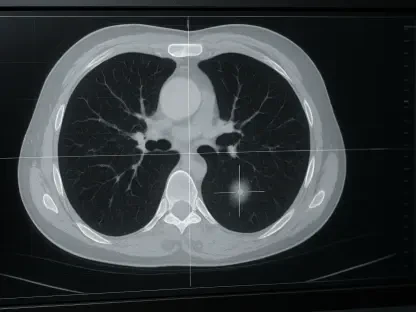
One of the most significant challenges in managing the current biosecurity threat is the extended incubation period associated with various viral strains, including the ebolavirus. During this latent phase, an infected individual can remain entirely asymptomatic, appearing healthy to even the most experienced airport screening personnel. This biological delay allows pathogens to bypass initial checks and migrate deep into the domestic interior, potentially exposing family members, coworkers, and the broader community before any symptoms manifest. The danger is compounded by the fact that the early signs of infection often mimic common seasonal illnesses, which can lead to misdiagnosis and further delays in isolation. Scientists are working to improve the sensitivity of rapid diagnostic tools, but the inherent biology of these viruses continues to provide them with a tactical advantage over traditional surveillance methods. Understanding the timeline of viral replication is essential for health officials as they determine the appropriate length of monitoring periods and the intensity of follow-up care required for high-risk travelers.
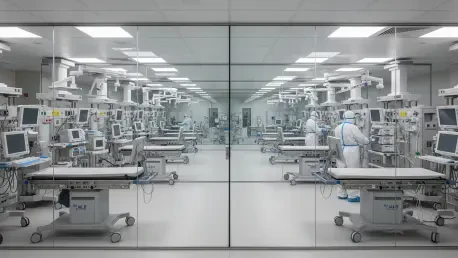
The secondary threat of post-surgical sepsis and aggressive bacterial colonization has begun to place an immense strain on intensive care units across the major metropolitan areas. Unlike viral outbreaks that often come in waves, the arrival of multi-drug resistant organisms through medical tourism is a steady and growing pressure on the medical infrastructure. These infections frequently lead to prolonged hospital stays, requiring specialized suites and highly trained staff to manage the complex care needs of septic patients. As more individuals return with deep-tissue infections and antibiotic-resistant wounds, the availability of critical care beds for the general population becomes increasingly limited. This situation creates a cascading effect where the entire healthcare system must pivot to manage avoidable complications originating from foreign clinics. The introduction of these pathogens into the domestic ecosystem does not just affect the individual patient but compromises the safety of every other person in the facility. Each new case of a superbug infection represents a potential failure of national biosecurity, necessitating a more proactive approach to regulating travel for medical purposes.
3. Executing Border Controls: Screening and Community Surveillance
The practical execution of border screenings has evolved to include advanced visual cues and high-resolution heat-sensing cameras to detect active fevers among arriving passengers. These thermal imaging systems allow health officers to scan hundreds of individuals per minute without disrupting the flow of airport traffic, identifying those with elevated body temperatures for immediate secondary evaluation. Beyond simple temperature checks, personnel are trained to observe subtle physical symptoms such as lethargy, unusual perspiration, or respiratory distress that might indicate an underlying infection. This multi-modal approach ensures that even if a traveler is attempting to mask their symptoms with over-the-counter medications, the physiological indicators of illness are captured by sensitive technology. The goal is to create a seamless yet impenetrable layer of surveillance that identifies high-risk individuals at the earliest possible moment of their entry into the country. These technological tools are vital in managing the sheer volume of international arrivals, providing a baseline level of security that was previously impossible to achieve through manual inspections alone.
Once a traveler passes the initial physical screening, the process transitions to a detailed medical history and symptom interview designed to identify potential exposure. Health officials utilize structured questionnaires to track a person’s movements over the previous three weeks, focusing on their proximity to known infection zones and their contact with symptomatic individuals. This data is then integrated into a community health surveillance program that manages follow-ups for a full twenty-one days after the traveler arrives at their destination. Local health teams are responsible for checking in with these individuals regularly, ensuring that any late-developing symptoms are reported and managed instantly. This three-week monitoring window is a critical component of the biosecurity strategy, as it covers the maximum expected incubation period for most high-risk pathogens. By maintaining a continuous link between the traveler and the public health system, the government can effectively bridge the gap between the airport arrival and the safe reintegration of the individual into the community. This level of oversight requires a high degree of cooperation between federal and local agencies to ensure no potential case is lost in the administrative shuffle.
4. Evaluating Surgical Standards: Hygiene and Medication Management
The recurring failures observed in foreign surgical clinics often stem from inconsistent equipment cleaning standards and a general lack of tool sterilization. In many facilities catering to medical tourists, the rapid turnover of patients leads to shortcuts in the complex process of disinfecting surgical instruments, which can leave behind trace amounts of organic material or resistant bacteria. When these contaminated tools are used in subsequent procedures, they introduce pathogens directly into deep-tissue layers, causing infections that are incredibly difficult to treat with standard medical protocols. These hygiene lapses are frequently hidden behind modern-looking facades and professional marketing, giving travelers a false sense of security regarding the actual clinical environment. Deep-tissue infections resulting from these failures often require multiple corrective surgeries and long-term intravenous antibiotic therapy once the patient returns home. The disparity between American sterilization mandates and the varying regulations of foreign jurisdictions remains a primary driver of the superbug surge currently impacting major domestic medical centers in cities like Los Angeles.
Another significant issue identified in foreign medical settings is the habitual overreliance on strong antibiotics to mask poor hygiene and prevent immediate post-operative complications. Doctors in these clinics may prescribe broad-spectrum antibiotics as a “safety net,” a practice that inadvertently drives the evolution of multi-drug resistant superbugs within their own facilities. By exposing bacteria to these powerful drugs without a clinical necessity, the environment becomes a breeding ground for organisms that have developed the genetic tools to survive standard treatments. Furthermore, the lack of adequate recovery time before patients are cleared for long-distance flights creates a perfect storm for physiological stress and complications. Travelers often board planes just days after major surgery, increasing their risk of developing blood clots or experiencing sudden wound dehiscence during transit. The pressure to return home quickly to minimize costs often leads patients to ignore the critical window of professional observation required for safe recovery. These combined factors turn a routine elective procedure into a high-stakes gamble with both individual health and national biosecurity at risk.
5. Strengthening National Defense: Surveillance and Traveler Safety
The government and medical communities have responded to these escalating threats by establishing sophisticated digital tracing loops for all international travelers. These systems allow public health agencies to monitor movement patterns and quickly notify individuals if they were potentially exposed to a pathogen during their journey. Simultaneously, new instructions have been issued to doctors across the country to prioritize international travel history during the initial patient intake process. By asking specific questions about recent trips abroad and the nature of any medical care received elsewhere, clinicians can more rapidly identify patients who may be carrying exotic or resistant infections. This proactive approach ensures that isolation protocols can be implemented the moment a patient enters a clinic or emergency room, rather than after a diagnosis is confirmed. The integration of travel data with clinical decision-making is a vital step in modernizing the domestic response to global health risks. Strengthening the communication between border authorities and frontline healthcare providers has created a more unified front against the silent movement of dangerous pathogens through the transit system.
As the situation evolved, the medical community established a clear set of safety recommendations to help international travelers navigate these risks more effectively. The experts emphasized that regularly checking official government health bulletins for specific destinations remained a fundamental responsibility for anyone traveling abroad. Furthermore, travelers were encouraged to confirm the legitimate, recognized credentials of any foreign surgical facility and to organize a comprehensive follow-up plan with a local doctor before even leaving for a procedure. The ongoing analysis of patient outcomes underscored that prioritizing physical safety over financial savings was the only reliable way to avoid the devastating complications seen in recent months. All returning citizens were urged to cooperate fully with airport health inspections, recognizing that thermal scans and questionnaires were essential tools for protecting their families and communities. By the end of the initial emergency period, these measures had successfully prevented a large-scale outbreak, demonstrating the power of coordinated public health action. The experts emphasized that prioritizing health standards over lower costs served as the final line of defense against the silent spread of these pathogens.