
The diagnostic landscape has reached a pivotal moment where the traditional act of a physician visually inspecting a film is being replaced by sophisticated computational analysis that treats medical images as high-dimensional biological datasets. By 2026, the integration of artificial intelligence into clinical practice has transformed the standard Computed Tomography (CT) and Magnetic Resonance Imaging (MRI) scans from static pictures into rich repositories of quantitative information. This shift is not merely about making the process faster; it is about uncovering hidden layers of information that are invisible to even the most trained human eyes. As healthcare systems grapple with increasing patient volumes and more complex chronic conditions, AI functions as a crucial bridge between raw data and actionable medical insights. The current era of medicine prizes precision, and by converting pixels into measurable biomarkers, technology is enabling a more granular understanding of human physiology. This evolution represents a fundamental change in how the medical community perceives diagnostic imaging, moving away from subjective interpretation and toward a rigorous, data-driven methodology that provides a deeper look into the cellular and molecular state of a patient without invasive intervention.
Extracting Biological Insights: The Rise of Advanced Radiomics
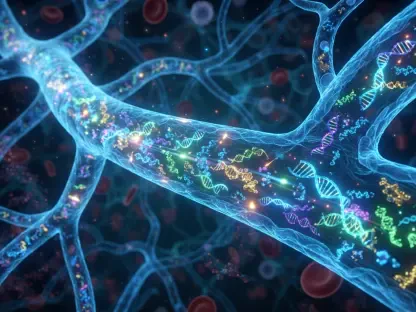
Central to this technological leap is the field of radiomics, which utilizes automated algorithms to extract thousands of quantitative features from medical images that describe the texture, shape, and intensity distributions of tissues. These micro-patterns allow clinicians to distinguish between lesions that may appear identical on a standard screen but possess vastly different biological profiles. For instance, in oncology, AI can identify subtle differences in the heterogeneity of a tumor, which often correlates with its level of aggressiveness or its likelihood of metastasizing to other parts of the body. By identifying these underlying signatures, medical professionals can tailor treatment plans to the specific biological characteristics of a patient’s condition. This approach significantly reduces the need for exploratory surgeries or invasive biopsies, as the virtual biopsy provided by AI offers a non-invasive look at the disease. Building on this foundation, the ability to monitor these features over time allows for a precise assessment of how a patient is responding to a specific therapy, enabling rapid adjustments to treatment protocols.
Beyond the identification of complex tissue patterns, the introduction of objective metrics is standardizing a field that has historically been characterized by inter-observer variability. In traditional settings, two different radiologists might interpret the same suspicious mass with varying degrees of concern based on their individual experience and subjective judgment. AI systems mitigate this inconsistency by comparing specific image features against massive, curated global databases to provide a statistically grounded probability of malignancy. This level of standardization ensures that a patient receives a consistent diagnosis whether they are being treated at a major urban research hospital or a small community clinic. Furthermore, these tools serve as a constant, tireless second set of eyes that can identify minute abnormalities that might be overlooked during a long shift. By quantifying the likelihood of disease with such precision, the medical community is moving toward a more reliable diagnostic framework. This objectivity not only improves the accuracy of individual cases but also enhances the overall quality of clinical research by providing measurable data that can be used across various longitudinal studies.
Streamlining Clinical Workflows: Intelligent Triage and Screening
In the high-stakes environment of modern emergency departments, the implementation of intelligent triage systems has become a game-changer for managing patient outcomes. These AI-driven tools automatically scan incoming images from the radiology department to detect life-threatening conditions such as intracranial hemorrhages, pulmonary embolisms, or acute strokes in real-time. Once a critical abnormality is identified, the system immediately flags the scan and moves it to the very top of the radiologist’s reading queue, bypassing less urgent cases. This prioritization significantly slashes the time between a patient’s initial imaging and the commencement of life-saving interventions, where every second is vital for preserving tissue function. This automated screening process acts as a safety net that operates in the background, ensuring that the most vulnerable patients are never lost in a backlog of routine screenings. Moreover, by reducing the cognitive load on physicians, these systems allow specialists to focus their mental energy on complex diagnostic challenges rather than sorting through high volumes of negative scans. The result is a more efficient, responsive healthcare system that prioritizes clinical necessity over chronological order.
This technological shift also facilitates the concept of opportunistic screening, where a single diagnostic procedure is leveraged to gather a broad spectrum of health data. For example, when a patient undergoes a routine chest CT to investigate a persistent cough, AI algorithms can simultaneously analyze the scan to calculate coronary artery calcium scores or assess bone mineral density. This provides a comprehensive overview of the patient’s cardiovascular and skeletal health without requiring additional radiation exposure or extra laboratory tests. This holistic approach helps in identifying silent health risks that may not yet be causing symptoms, allowing for early preventative measures that can stave off more serious complications in the future. By extracting more value from every scan, healthcare providers can maximize the utility of existing diagnostic infrastructure and improve the overall efficiency of preventative care programs. Consequently, what was once a narrow investigation of a specific symptom has evolved into a multi-faceted wellness assessment. This capability not only saves time and resources for both the patient and the hospital but also promotes a proactive model of medicine that emphasizes early detection and long-term health management.
Navigating Technical Hurdles: Data Integrity and Future Integration
Despite the clear advantages of these advancements, the widespread adoption of AI in medical imaging faces significant challenges, particularly regarding the inherent biases within training data. Because machine learning models are only as effective as the datasets used to build them, a lack of diversity in terms of ethnicity, gender, or age can lead to algorithms that perform poorly for underrepresented populations. This risk of algorithmic bias necessitates a rigorous approach to data collection and validation to ensure that the technology provides equitable care for all patients. Another persistent hurdle is the black box nature of deep learning, where the logic behind a specific diagnostic conclusion is not always transparent to the human clinician. To foster trust within the medical community, developers are increasingly focusing on explainable AI, which provides visual or textual justifications for its findings. Without this transparency, doctors may find it difficult to fully integrate AI recommendations into their final decision-making process. Addressing these ethical and technical concerns is essential for building a resilient framework that protects patient safety while pushing the boundaries of what is possible in digital health.
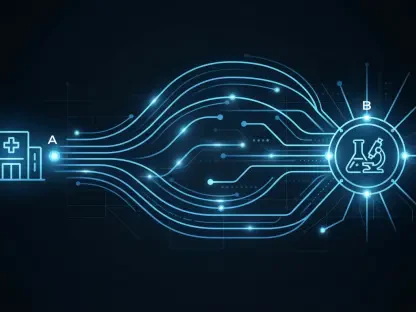
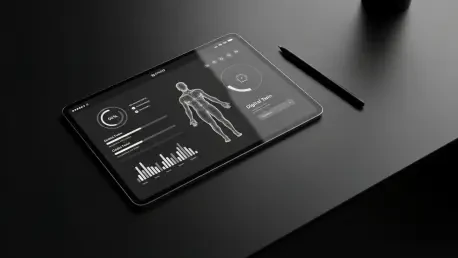
Moving forward, the industry is shifting toward a more integrated model that combines imaging data with a patient’s genetic profile and electronic health records to create a digital twin. This multimodal approach allows for a unprecedented level of personalized medicine, where treatments are designed based on a comprehensive understanding of an individual’s unique biological makeup. To overcome the difficulties of data sharing between different hospital systems, new techniques like federated learning are gaining traction. This method allows AI models to be trained across multiple institutions simultaneously without the need to move sensitive patient files from their original locations, thereby maintaining high standards of privacy and security. By keeping data local while sharing only the mathematical learnings, researchers can create more robust and generalizable tools that work effectively across diverse clinical settings. As these technologies mature, medical imaging will likely move beyond just diagnosing current conditions to predicting future health risks years before any physical symptoms manifest. This transition toward predictive analytics represents the ultimate goal of modern medical technology, turning every diagnostic encounter into a powerful tool for lifelong health preservation.
The transition toward AI-enhanced medical imaging successfully moved the industry from a reactive state to a more proactive and precise operational model. Healthcare leaders and clinical researchers recognized that the key to maximizing these tools lay in the seamless integration of computational power with human clinical intuition. By prioritizing the development of explainable models and diverse training datasets, the medical community ensured that these technological leaps did not come at the cost of equity or transparency. Hospitals that adopted these automated triage and radiomic systems early on saw measurable improvements in patient outcomes and diagnostic accuracy, setting a new benchmark for standard care. As clinicians moved away from viewing images as simple pictures, they embraced a future where every pixel contributed to a more complete understanding of human health. The actionable takeaway for modern providers involved fostering a collaborative environment where technical validation and ethical considerations were given equal weight. This strategic approach effectively turned the potential of artificial intelligence into a reliable reality that redefined the limits of diagnostic medicine.